In the realm of industrial automation and precision engineering, the laser sensor screw type has emerged as a pivotal component for ensuring accuracy, reliability, and efficiency in measurement applications. This specialized sensor integrates laser technology with a screw-type mechanical design, enabling precise detection, positioning, and monitoring of objects in various industrial settings. Unlike conventional sensors, the laser sensor screw type offers high-resolution measurements with minimal interference, making it ideal for environments where space constraints, dust, or vibrations pose challenges.
The core functionality of a laser sensor screw type revolves around its ability to emit a focused laser beam toward a target. The screw-type mechanism allows for fine adjustments in the sensor's position, facilitating calibration to specific distances or angles. This adjustability is crucial in applications such as assembly lines, robotics, and quality control systems, where even micron-level deviations can impact product integrity. For instance, in automotive manufacturing, these sensors are deployed to verify the alignment of components like engine parts or chassis elements, ensuring they meet stringent tolerances. The laser's coherence and directional properties enable it to measure distances, detect edges, or identify surface defects with exceptional precision, often achieving accuracies within micrometers.
One of the key advantages of laser sensor screw types is their versatility across diverse industries. In electronics manufacturing, they are used to inspect circuit boards for soldering quality or component placement, while in packaging, they monitor fill levels or seal integrity. The screw-type design enhances durability, allowing the sensor to withstand mechanical stresses and environmental factors like temperature fluctuations or humidity. Additionally, many models feature integrated signal processing capabilities, providing real-time data output to control systems for immediate corrective actions. This reduces downtime and minimizes human error, contributing to overall operational efficiency.
From a technical perspective, these sensors typically operate on principles such as triangulation or time-of-flight measurement. In triangulation-based models, the laser beam reflects off a target onto a detector array, with the angle of reflection used to calculate distance. The screw mechanism enables precise alignment of the optical components, optimizing measurement consistency. Time-of-flight variants measure the round-trip time of laser pulses, suitable for longer ranges. The screw-type housing often includes protective features like IP-rated enclosures, safeguarding against contaminants in harsh industrial environments. Compatibility with standard interfaces (e.g., analog outputs, Ethernet, or IO-Link) further simplifies integration into existing automation networks.
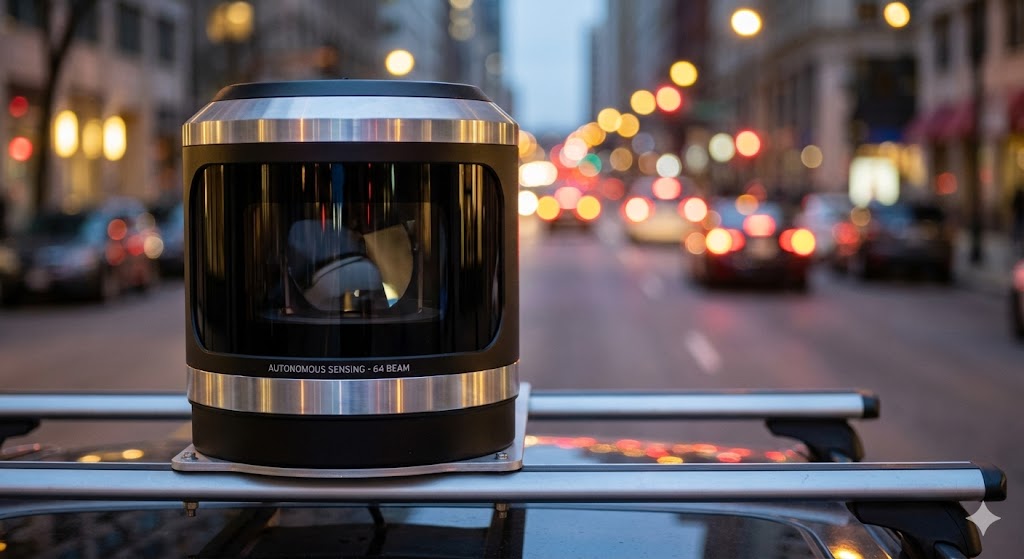
Despite their benefits, selecting the right laser sensor screw type requires careful consideration of parameters such as measurement range, resolution, response time, and environmental conditions. Engineers must assess factors like target material reflectivity, ambient light interference, and installation space to ensure optimal performance. Regular maintenance, including lens cleaning and calibration checks, is essential to sustain accuracy over time. As Industry 4.0 advances, these sensors are increasingly paired with AI-driven analytics for predictive maintenance, enhancing their role in smart factories.
In conclusion, the laser sensor screw type represents a fusion of optical precision and mechanical robustness, driving innovation in industrial automation. Its ability to deliver reliable, high-accuracy measurements underpins quality assurance and process optimization across sectors. As technology evolves, we can expect further miniaturization, enhanced connectivity, and improved cost-effectiveness, solidifying its status as an indispensable tool for modern engineering challenges.