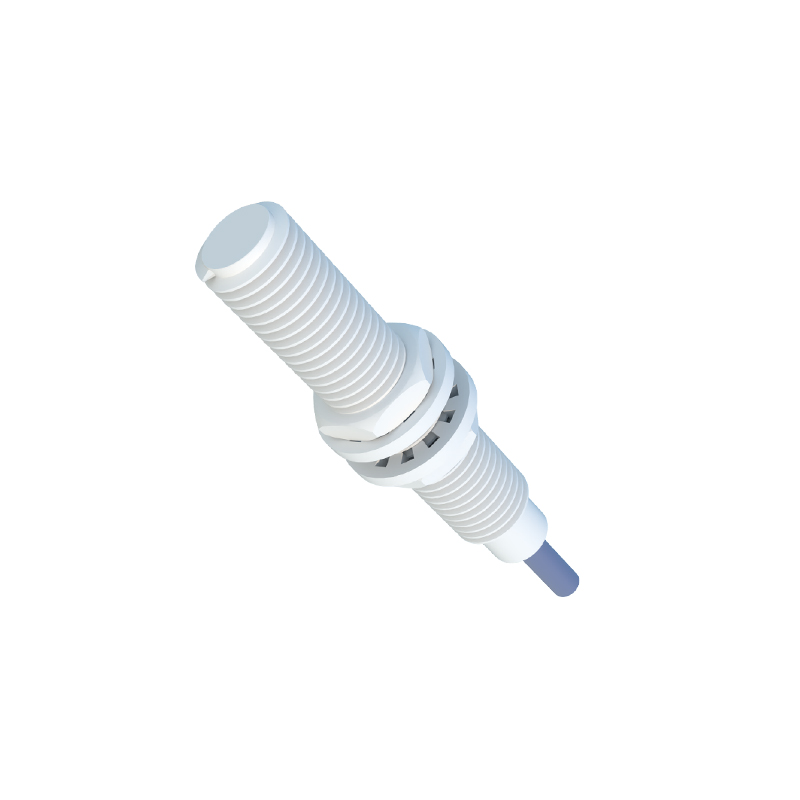
In the intricate world of industrial automation and machinery, the reliability and precision of sensor technology are paramount. Among the diverse array of sensing devices, the spring-loaded proximity switch sensor stands out as a critical component for ensuring operational safety, accuracy, and efficiency. This article delves into the fundamental role, operational principles, and key applications of these robust sensors, tailored for electrical engineers and industry professionals.
A spring-loaded proximity switch, often referred to as a spring-return or plunger-type proximity sensor, is a non-contact or contact-based device designed to detect the presence or absence of an object within a specified range. Unlike standard fixed-position sensors, its defining feature is a spring-actuated plunger or probe. When an object makes contact with or approaches the probe, it depresses against the spring force, triggering an internal switching mechanism. This mechanism typically involves reed switches, Hall effect sensors, or inductive/capacitive elements that generate an electrical signal. The spring ensures the probe returns to its original position once the object is removed, allowing for repeated, reliable operation.
The primary function of these sensors is to provide precise positional feedback and limit control in dynamic environments. They act as safety interlocks, preventing machinery from operating unless components are correctly aligned or guards are securely in place. For instance, in automated assembly lines, a spring-loaded proximity switch can verify that a part is fully seated in a fixture before a welding or drilling process commences. If the part is missing or misaligned, the switch remains unactuated, sending a signal to halt the machine and avoid damage or defective production.
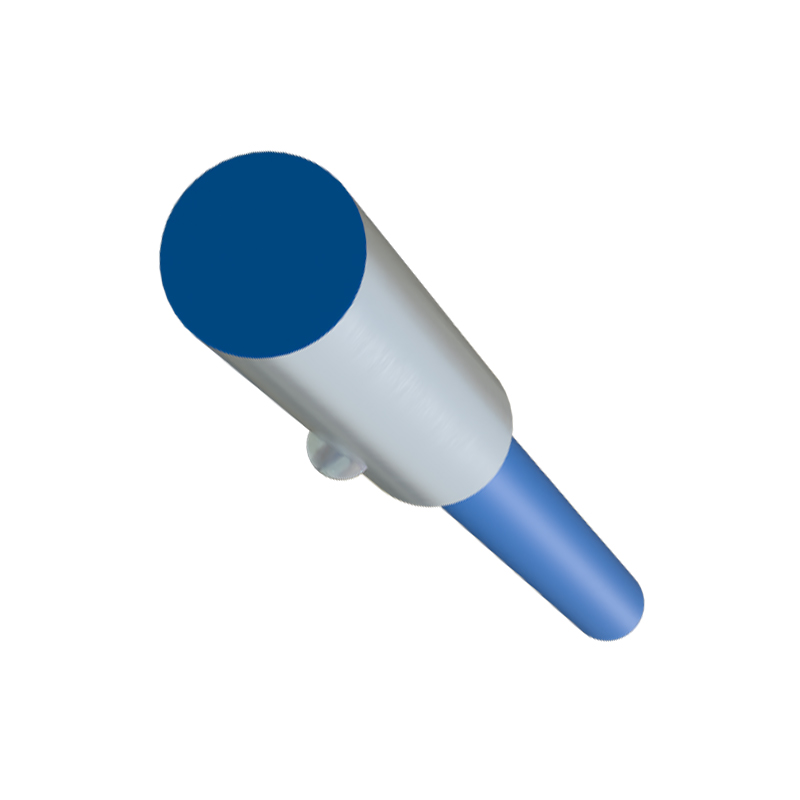
Durability is a hallmark of spring-loaded proximity switches. Engineered to withstand harsh industrial conditions—including vibration, shock, moisture, and temperature fluctuations—they are often housed in rugged metallic or high-grade polymer casings. The spring mechanism not only provides reset capability but also absorbs mechanical stress, reducing wear on internal components. This makes them ideal for high-cycle applications, such as in stamping presses, packaging machinery, and robotic arms, where millions of operations are performed annually.
Another significant advantage is their versatility in mounting and actuation. These switches can be configured for various sensing modes: direct contact with objects, detection through a cam or lever, or even non-contact sensing when paired with magnetic or ferrous targets. Adjustable spring tensions and stroke lengths allow engineers to fine-tune sensitivity for specific tasks, ensuring accurate detection regardless of object size or speed. In material handling systems, for example, they monitor the position of conveyor gates or the fill level of bins, triggering alerts or controlling flow rates.
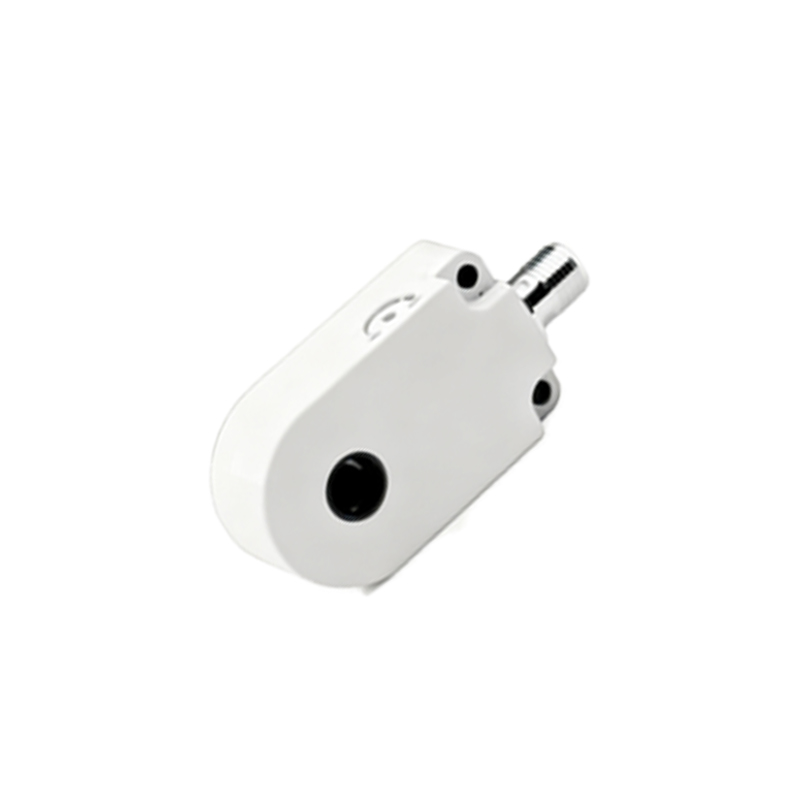
From an electrical integration standpoint, spring-loaded proximity switches are compatible with standard control systems, offering outputs such as PNP/NPN transistors, relay contacts, or analog signals. They are commonly wired into programmable logic controllers (PLCs) or safety circuits, where their real-time feedback enables automated decision-making. In safety-critical applications like elevator doors or industrial presses, they serve as redundant sensors to confirm that moving parts have retracted to a safe position, thereby protecting personnel and equipment.
In summary, the spring-loaded proximity switch sensor is an indispensable tool in modern industrial engineering. Its blend of mechanical resilience, precise actuation, and adaptive design addresses core challenges in automation, quality control, and workplace safety. As industries advance toward smarter, more interconnected systems, the evolution of these sensors—incorporating features like IO-Link communication or diagnostic capabilities—continues to enhance their role in driving efficiency and reliability. For engineers, selecting the appropriate spring-loaded switch involves considering factors like operating force, environmental ratings, and electrical requirements, ensuring seamless integration into complex machinery landscapes.