In the rapidly evolving photovoltaic (PV) industry, the integration of advanced sensing technologies has become pivotal for optimizing energy generation and ensuring operational longevity. Among these technologies, proximity sensors play a crucial role in enhancing the efficiency, safety, and reliability of solar power systems. These sensors, which detect the presence or absence of objects without physical contact, are increasingly deployed across various stages of PV system operation, from manufacturing to field maintenance.
The primary function of proximity sensors in photovoltaic applications is to monitor and control mechanical components. For instance, in solar tracking systems, which adjust the orientation of panels to follow the sun’s path, proximity sensors provide precise feedback on the position of actuators and motors. This real-time data ensures accurate alignment, maximizing sunlight capture and boosting energy output by up to 25% compared to fixed-tilt systems. Without reliable sensors, tracking mechanisms could suffer from misalignment, leading to energy losses and increased wear on mechanical parts.
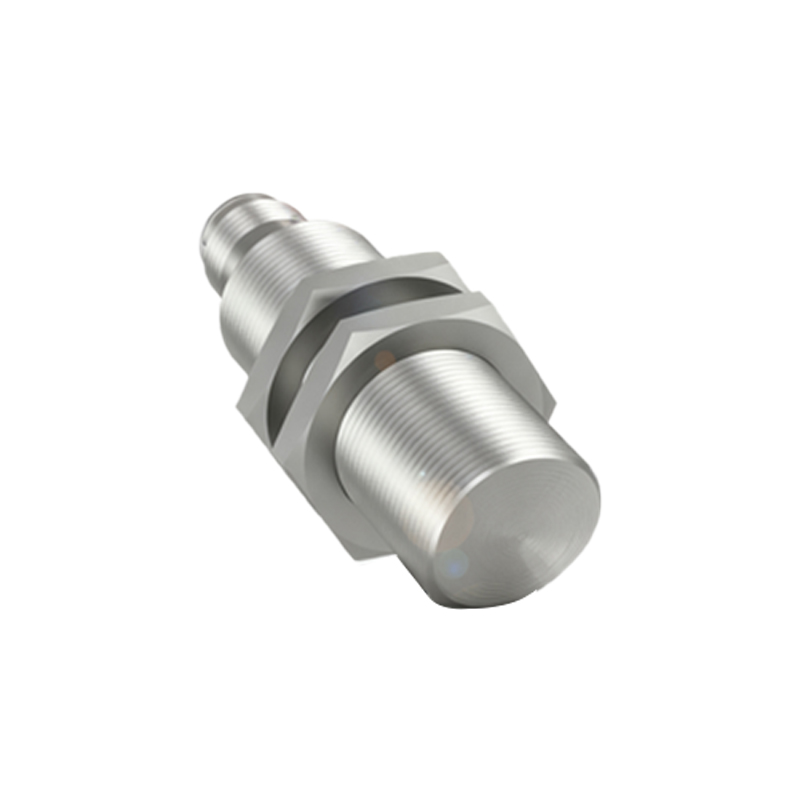
Moreover, proximity sensors contribute significantly to the safety of PV installations. In large-scale solar farms, automated cleaning robots are often used to maintain panel surfaces free of dust and debris. Proximity sensors embedded in these robots help detect obstacles, such as uneven terrain or structural supports, preventing collisions and potential damage to both the equipment and the panels. Similarly, during installation and maintenance, sensors can alert technicians to hazardous movements in robotic arms or lifting devices, reducing the risk of accidents.
Another critical application lies in the manufacturing of photovoltaic modules. In production lines, inductive or capacitive proximity sensors are employed to verify the correct placement of solar cells, glass sheets, and framing materials. They ensure that components are properly aligned before lamination and sealing, which is essential for maintaining module integrity and performance. By minimizing human error and speeding up inspection processes, these sensors enhance production throughput and reduce waste, ultimately lowering the cost per watt of solar energy.
The choice of proximity sensor type—whether inductive, capacitive, ultrasonic, or optical—depends on specific environmental and operational demands. In outdoor PV installations, sensors must withstand harsh conditions, including extreme temperatures, moisture, and UV exposure. Sealed, ruggedized designs with high ingress protection (IP) ratings are commonly selected to ensure durability. For indoor manufacturing, factors like detection range, response time, and material compatibility take precedence. For example, capacitive sensors are ideal for detecting non-metallic objects like glass or polymers, while inductive sensors excel in metal-rich environments.
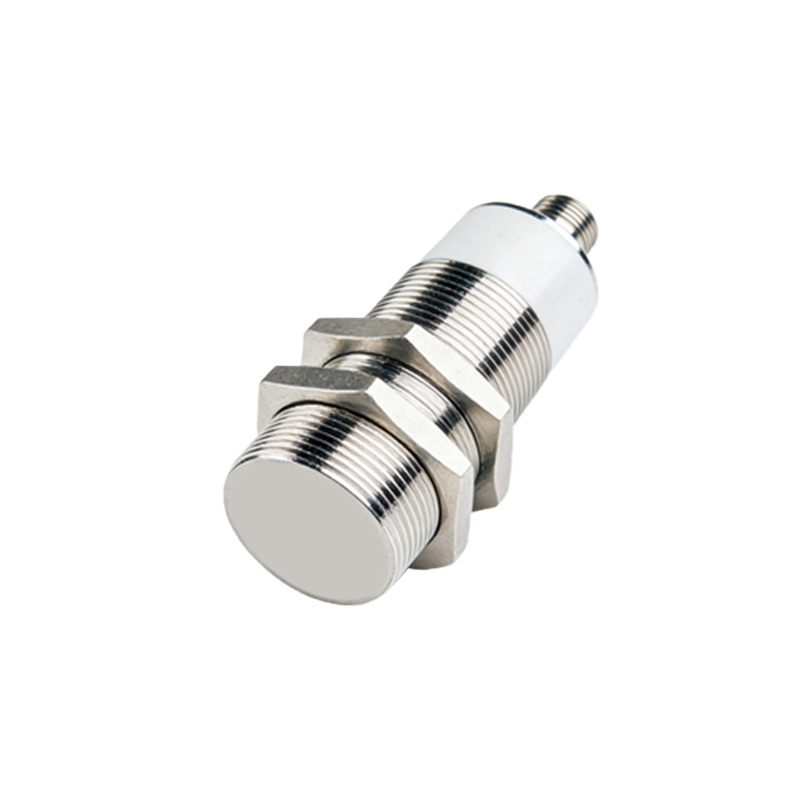
Looking ahead, the convergence of proximity sensors with Internet of Things (IoT) platforms is set to revolutionize PV system management. Smart sensors equipped with wireless connectivity can transmit data on equipment status and environmental conditions to central monitoring systems. This enables predictive maintenance, where potential failures—such as a faulty tracker motor or clogged cleaning robot—are identified early, minimizing downtime and repair costs. As the global push for renewable energy intensifies, such innovations will be key to scaling up solar power capacity while maintaining grid stability.
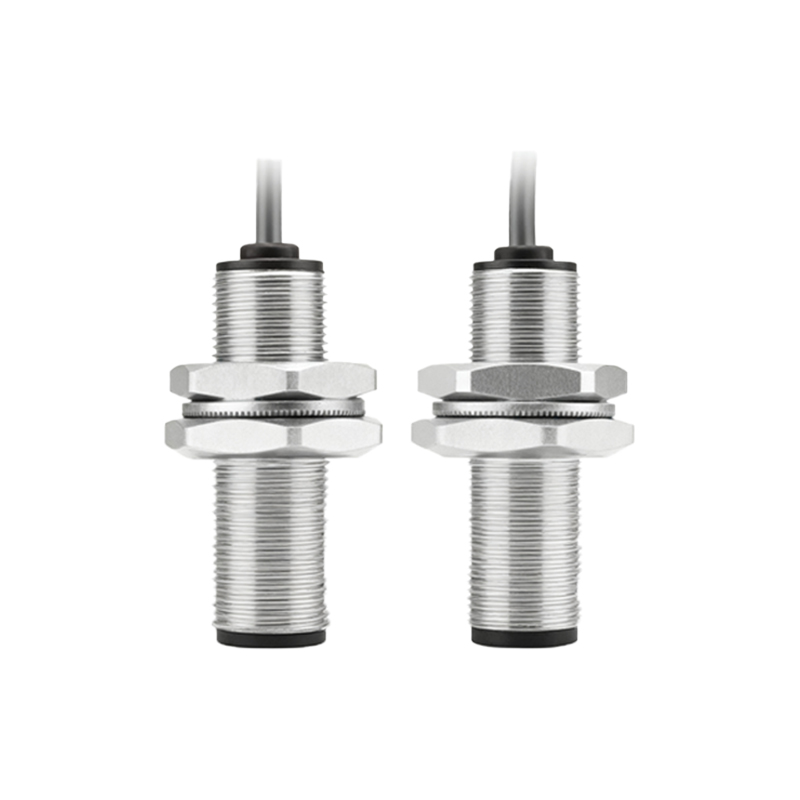
In conclusion, proximity sensors are indispensable components in modern photovoltaic systems. By enabling precise control, enhancing safety, and supporting automation, they help drive the efficiency and reliability that make solar energy a competitive alternative to fossil fuels. As sensor technology continues to advance, its integration with PV infrastructure will undoubtedly play a central role in achieving a sustainable energy future.