In the dynamic landscape of industrial automation, the demand for reliable, precise, and durable sensing solutions is paramount. Longyan proximity switch sensors have emerged as a significant component in this ecosystem, offering robust performance for a wide array of applications. These non-contact sensors are designed to detect the presence or absence of metallic objects without any physical contact, thereby eliminating mechanical wear and tear and ensuring long-term operational stability.
The fundamental technology behind Longyan proximity sensors typically involves inductive, capacitive, or magnetic principles. Inductive sensors, the most common variant, generate an electromagnetic field. When a metallic object enters this field, it causes a change in the oscillation amplitude, which the sensor's circuitry detects, triggering a switching signal. This makes them ideal for detecting metals like steel, aluminum, and copper in harsh industrial environments such as manufacturing assembly lines, packaging machinery, and automotive production facilities. Their resilience to dust, oil, and moisture underscores their suitability for challenging conditions.
A key advantage of Longyan proximity switches is their high switching frequency and repeat accuracy. They can detect objects at speeds and precision levels that mechanical limit switches cannot match, contributing to enhanced production efficiency and product quality control. Furthermore, their solid-state design means no moving parts are involved in the sensing process, leading to a significantly longer lifespan and reduced maintenance requirements. This reliability translates directly into lower total cost of ownership and minimized machine downtime, critical factors for any competitive manufacturing operation.
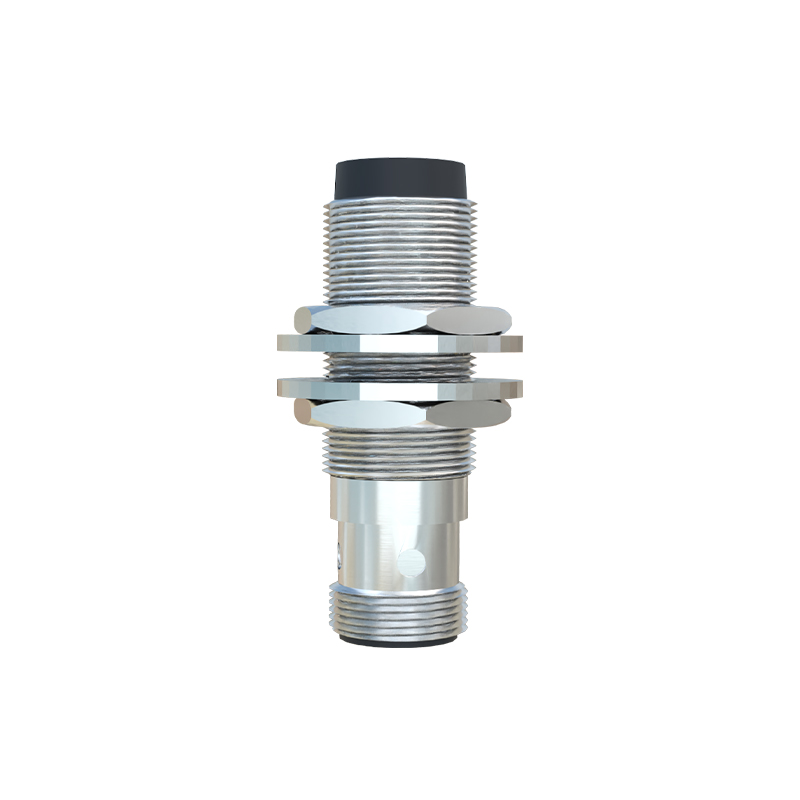
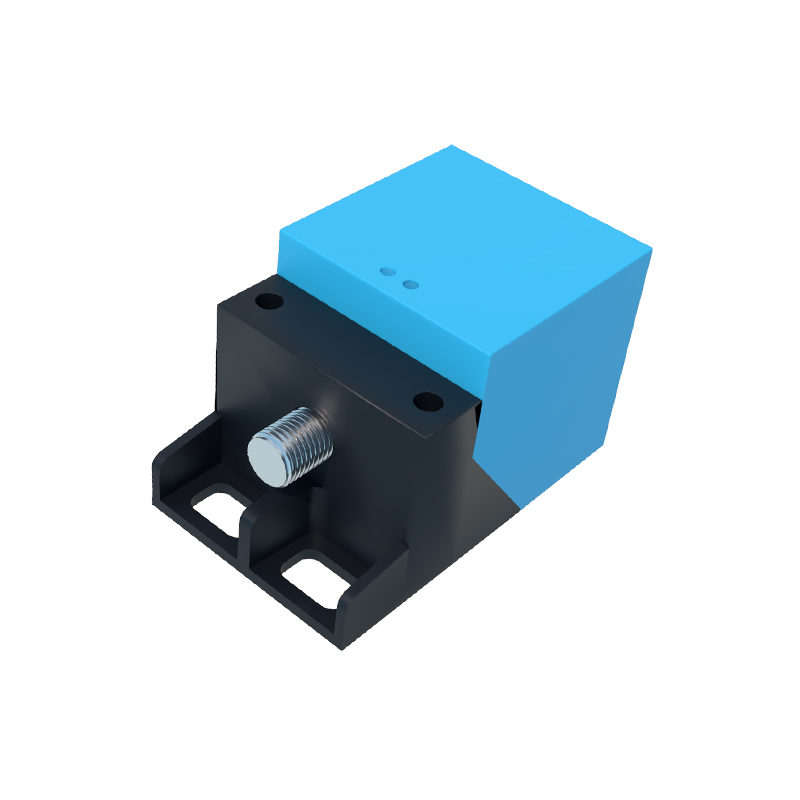
Installation and integration of these sensors are generally straightforward. They come in various housing shapes and sizes—such as cylindrical, rectangular, and ring-shaped—to fit different mounting constraints. The output configurations, including NPN, PNP, normally open (NO), and normally closed (NC), provide flexibility for interfacing with programmable logic controllers (PLCs), relays, and other control systems common in industrial setups. Proper selection involves considering factors like sensing distance, target material, operating voltage, and environmental temperature to ensure optimal performance.
Beyond traditional manufacturing, Longyan proximity sensors find utility in diverse sectors. In material handling, they monitor object positions on conveyors. In the automotive industry, they ensure precise positioning of robotic arms. They are also employed in safety systems to confirm door closures or guard positions, helping to protect personnel and equipment. Their ability to function reliably in extreme temperatures and under vibrational stress makes them a versatile choice for engineers and system integrators.
When sourcing Longyan proximity sensors, it is crucial to partner with reputable suppliers or manufacturers who can provide technical support, certification compliance (such as CE, RoHS), and consistent product quality. Regular testing and calibration, as per the manufacturer's guidelines, help maintain detection accuracy over time. As Industry 4.0 and smart factory concepts advance, the role of precise sensors like these becomes even more integral, feeding real-time data into interconnected systems for predictive maintenance and process optimization.
In conclusion, Longyan proximity switch sensors represent a mature yet continually evolving technology essential for modern industrial automation. Their non-contact operation, durability, and precision make them indispensable tools for improving operational efficiency, safety, and reliability across countless applications. By understanding their operating principles and selection criteria, engineers can effectively leverage these components to build more responsive and intelligent automated systems.