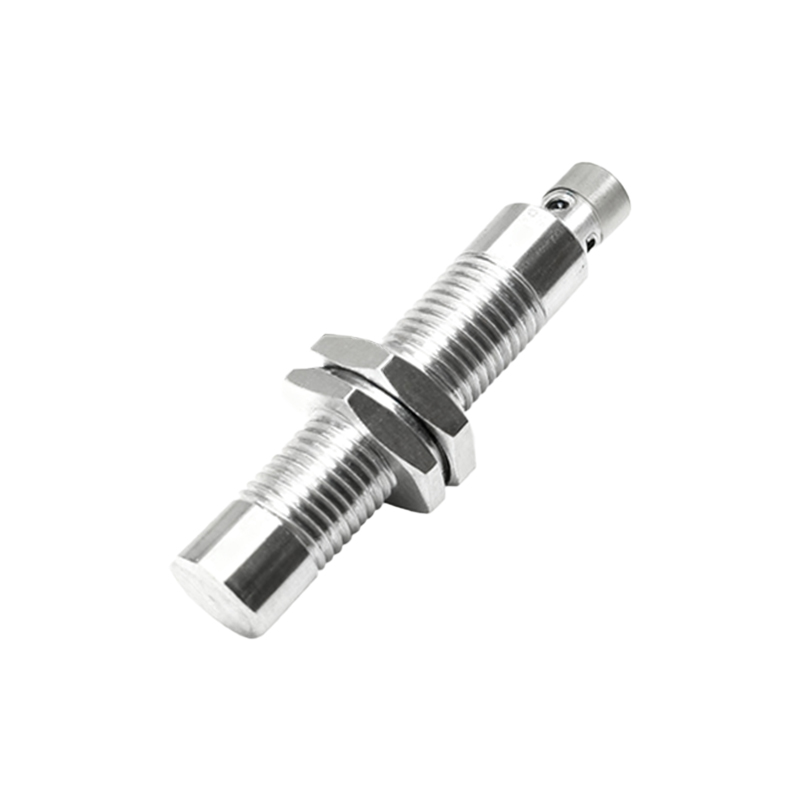
Proximity sensor embedding represents a critical advancement in integrating non-contact detection capabilities directly into materials, structures, and devices. This process involves the physical installation and system integration of sensors designed to detect the presence or absence of nearby objects without physical contact. The primary goal is to create seamless, reliable, and often invisible sensing functionality that enhances the intelligence and interactivity of the host system.
The technical foundation of embedding these sensors relies on understanding their core operating principles. Inductive sensors generate an electromagnetic field to detect metallic objects, while capacitive sensors detect changes in capacitance caused by the proximity of any material, including non-metals. Photoelectric sensors use light beams, and ultrasonic sensors employ sound waves. The embedding process must carefully consider the sensor's specific detection field and potential interference from the embedding material itself. For instance, embedding an inductive sensor within a metal housing requires precise positioning and shielding to ensure the field can effectively project beyond the enclosure to detect the target.
The embedding procedure follows a meticulous sequence. It begins with cavity design and preparation within the host material, such as plastic, composite, or metal. This cavity must account for the sensor's dimensions, connector orientation, and required clearance for its sensing field. Securing the sensor often involves potting or encapsulation with specialized compounds like epoxy resins or silicones. These materials protect the sensor from environmental stressors—moisture, dust, vibration, and chemical exposure—while minimally impeding its sensing performance. Following physical installation, the critical steps of wiring integration and signal calibration are performed. Calibration is essential to establish the sensor's effective range and threshold in its new embedded state, compensating for any damping or field distortion caused by the overlay material.
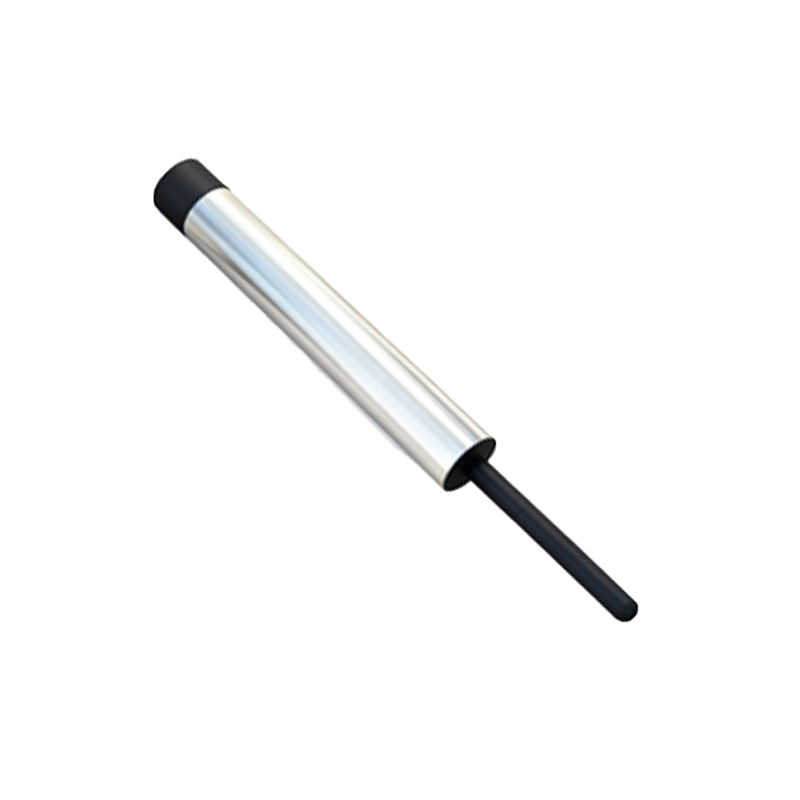
The applications of embedded proximity sensing are vast and transformative. In automotive design, sensors are embedded within bumper fascias and body panels to enable parking assistance and collision avoidance systems, maintaining a vehicle's aesthetic lines. In industrial machinery, they are embedded within protective guards to monitor access or within moving parts to provide non-contact position feedback, enhancing safety and predictive maintenance. Consumer electronics leverage miniature embedded sensors for features like automatic screen wake/sleep in laptops and tablets, where the sensor is hidden behind a bezel. The rise of smart appliances and furniture also utilizes this technology; for example, a sensor embedded in a kitchen cabinet can trigger lighting when a hand approaches.
A significant benefit of embedded sensors is the enhancement of product durability and design freedom. By removing external protrusions, the product is less prone to physical damage, and designers can create smoother, more streamlined forms. Furthermore, embedding protects the sensitive electronic components, leading to increased longevity and reliability in harsh operating environments, from factory floors to outdoor installations.
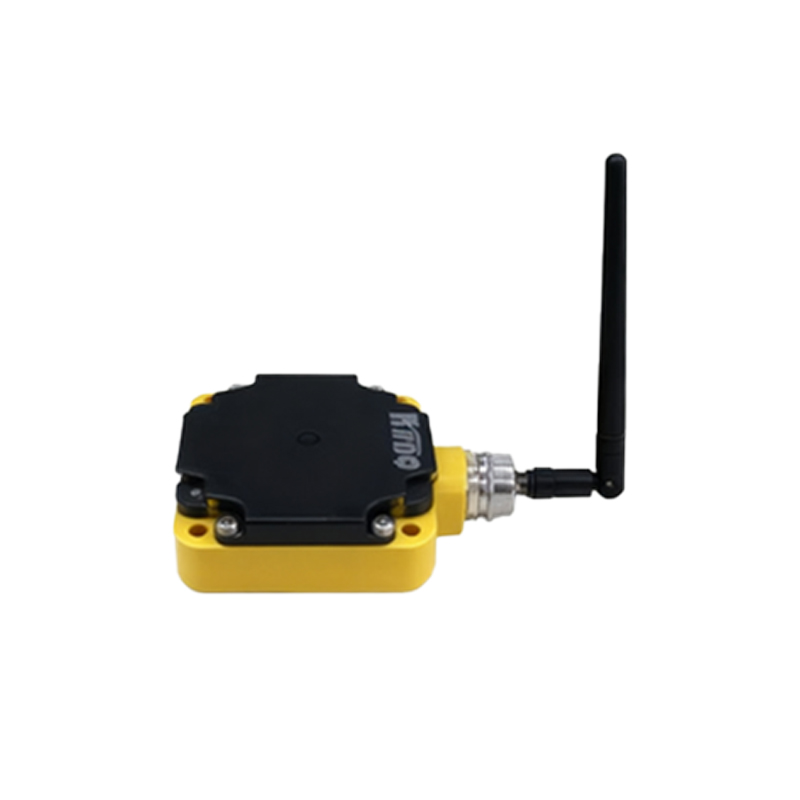
However, the practice presents distinct challenges. Selecting an appropriate overlay material is paramount. Materials that are too thick, metallic, or have high dielectric constants can attenuate or distort the sensor's field, reducing its effective range and accuracy. Thermal management is another concern, as the embedding compound and host material must withstand the operational temperature ranges of both the sensor and the application environment without degrading. Finally, serviceability becomes complex; an embedded sensor is typically not field-replaceable, necessitating robust design and thorough lifecycle testing to prevent premature failure.
Future trends point toward deeper integration. The development of flexible and printed sensors allows for embedding on curved surfaces or within textiles. The convergence with the Internet of Things (IoT) means embedded proximity sensors will increasingly function as data nodes, communicating presence information to cloud platforms for analytics in smart buildings, cities, and logistics. Advancements in materials science will also yield new transparent or structurally neutral embedding compounds that are virtually invisible to sensor fields.
In conclusion, proximity sensor embedding is a sophisticated discipline that marries electronic engineering with mechanical and materials design. It moves sensing from an added feature to an intrinsic property of a product or system. Successful implementation demands a holistic approach, balancing the electrical characteristics of the sensor with the physical and environmental constraints of the application. As technology progresses, this seamless integration will continue to be a cornerstone in developing more interactive, intelligent, and resilient automated systems across all industries.