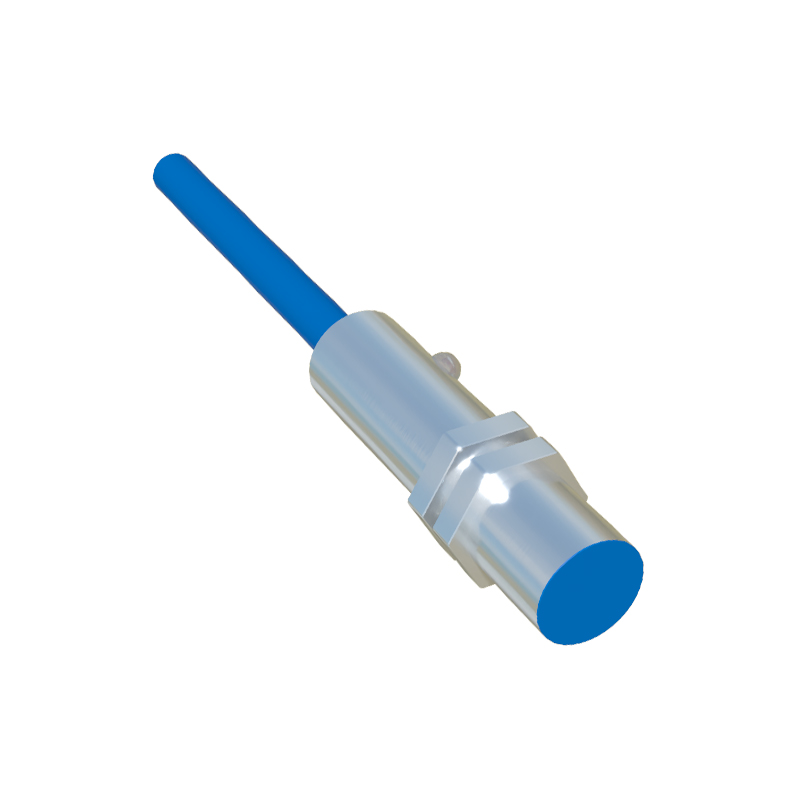
In the rapidly evolving landscape of industrial automation and smart technology, photoelectric proximity sensors have emerged as a cornerstone component, driving efficiency and reliability across diverse applications. These sensors operate by emitting a beam of light—typically infrared, visible, or laser—and detecting changes in the received light to determine the presence, absence, or distance of an object. Unlike mechanical switches or capacitive sensors, photoelectric variants offer non-contact detection, which fundamentally eliminates physical wear and tear, thereby extending operational lifespan and reducing maintenance costs. One of their most lauded advantages is the ability to sense objects from considerable distances, ranging from a few millimeters to several meters, depending on the model and technology employed. This long-range capability makes them indispensable in settings where direct contact is impractical or hazardous, such as in high-speed conveyor systems, packaging lines, and robotic assembly units.
Furthermore, photoelectric proximity sensors exhibit exceptional precision and repeatability. They can detect minute objects or subtle variations in surface texture with high accuracy, which is critical in quality control processes within manufacturing. For instance, in pharmaceutical production, these sensors ensure precise tablet counting or bottle filling by identifying even the smallest discrepancies. Their versatility is another key benefit; they are available in various configurations including through-beam, retro-reflective, and diffuse reflective types, each suited to specific environmental conditions and target materials. Through-beam sensors, with separate emitter and receiver units, provide the highest reliability for long-distance sensing, while diffuse sensors are ideal for detecting objects without a reflector, adapting well to complex layouts. This adaptability allows engineers to tailor solutions for challenging scenarios, such as detecting transparent glass, shiny metals, or irregularly shaped items that might confound other sensor technologies.
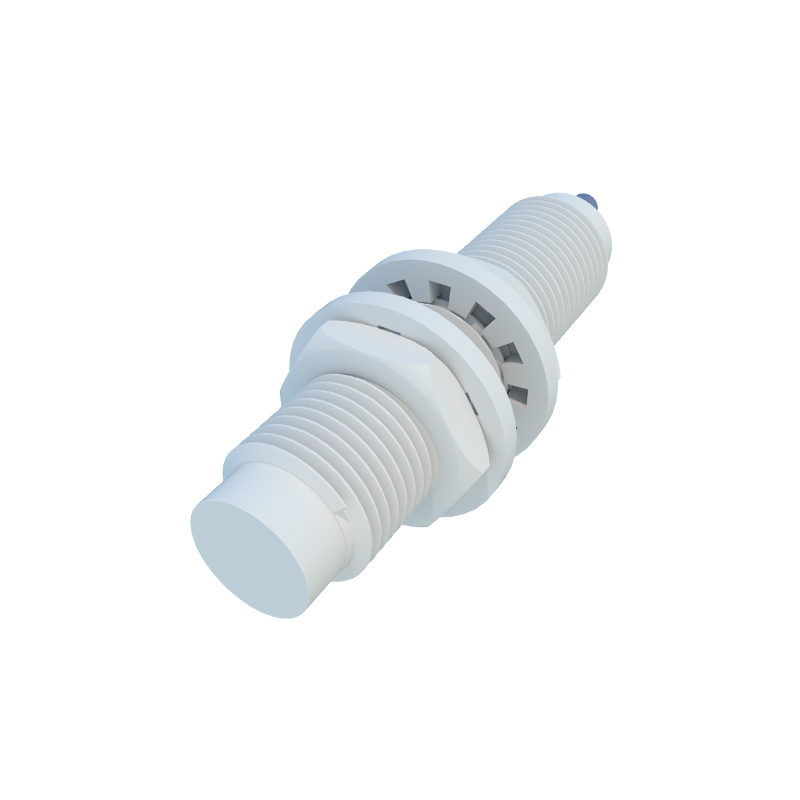
Another significant advantage lies in their rapid response times. Photoelectric sensors can switch states in microseconds, enabling real-time monitoring and control in dynamic systems. This speed is vital for applications like sorting machines on fast-moving production lines or safety curtains in automated warehouses, where delays could lead to bottlenecks or accidents. Additionally, many modern photoelectric sensors incorporate advanced features such as background suppression, which minimizes interference from surrounding surfaces, and teach-in functionality for easy calibration. These innovations enhance performance in variable lighting conditions or cluttered environments, ensuring consistent operation without frequent manual adjustments.
Durability and environmental resilience further underscore their value. Encased in robust housings often rated IP67 or higher, photoelectric sensors withstand dust, moisture, vibrations, and extreme temperatures common in industrial settings. This ruggedness translates to reduced downtime and enhanced system uptime, contributing to overall productivity gains. Moreover, their energy efficiency aligns with sustainable practices, as they consume minimal power while delivering maximal output—a trait increasingly prioritized in green manufacturing initiatives. From automotive assembly to food processing, these sensors facilitate seamless automation by providing reliable data for decision-making systems, ultimately optimizing workflows and cutting operational costs.
In summary, photoelectric proximity sensors offer a compelling blend of non-contact operation, long-range detection, precision, versatility, speed, and durability. As industries continue to embrace automation and IoT integration, the role of these sensors will only expand, underpinning smarter, more responsive technologies that drive progress. By leveraging their inherent benefits, businesses can achieve higher levels of efficiency, safety, and innovation, solidifying photoelectric sensors as a vital tool in the modern technological arsenal.