In today's rapidly evolving industrial landscape, laser vision sensors have become indispensable tools for precision measurement, quality control, and automation. These advanced devices combine laser technology with sophisticated imaging capabilities to deliver highly accurate, non-contact inspection and guidance solutions. For manufacturers seeking reliable partners, selecting the right laser vision sensor supplier is a critical decision that impacts production efficiency, product quality, and overall operational success.
The core technology behind laser vision sensors involves projecting a laser line or pattern onto a target object. A high-resolution camera then captures the deformation or profile of this pattern. Using triangulation and advanced algorithms, the sensor calculates precise 3D measurements, including height, width, position, and surface contours. This allows for the detection of minuscule defects, verification of assembly completeness, and guidance of robotic arms with sub-millimeter accuracy. Industries such as automotive, electronics, semiconductor, and logistics heavily rely on these sensors for tasks like weld seam inspection, component alignment, PCB soldering verification, and package dimensioning.
When evaluating laser vision sensor manufacturers, several key factors distinguish industry leaders. First is technological prowess. Top-tier companies invest significantly in research and development to push the boundaries of resolution, speed, and robustness. They offer sensors with varying laser classes, scan rates exceeding thousands of profiles per second, and resilience against challenging environmental conditions like vibration, ambient light, and dust. Second is software intelligence. The most valuable sensors are paired with intuitive, powerful software platforms that simplify application setup, data analysis, and integration with broader factory systems like PLCs and SCADA. Features like easy-to-use graphical interfaces, pre-built application templates, and robust SDKs for custom development are hallmarks of a superior provider.
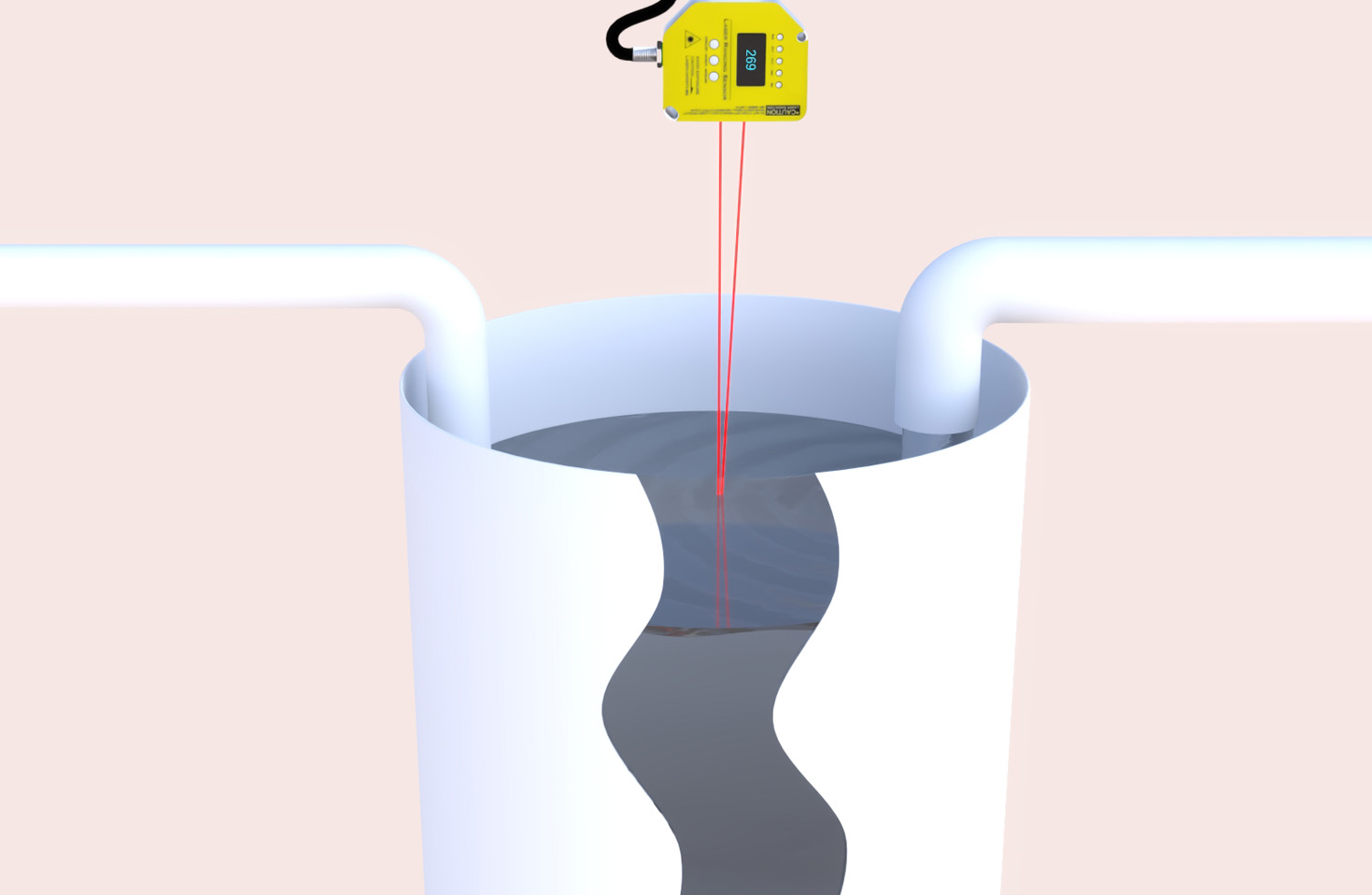
Another crucial consideration is application support and global service. Reputable manufacturers don't just sell hardware; they provide comprehensive engineering support. This includes feasibility studies, proof-of-concept testing, and on-site assistance for installation and calibration. A strong global network of technical support and distribution ensures minimal downtime and quick access to spare parts. Furthermore, manufacturers with a broad portfolio can offer more objective guidance, recommending the sensor that truly fits the application rather than a one-size-fits-all solution.
The market features several established and innovative players. Companies like Keyence, Cognex, and SICK have long been at the forefront, offering robust and versatile sensor families known for their reliability in demanding factory environments. Their products often set industry benchmarks for performance. Simultaneously, specialized manufacturers like LMI Technologies (now part of TKH Group) focus intensely on 3D laser profiling, providing exceptionally high-precision solutions for metrology-grade applications. Emerging innovators and regional specialists also contribute significantly, often bringing agility, cost-effectiveness, or niche expertise to the table, particularly in fast-growing sectors like electric vehicle battery manufacturing or consumer electronics assembly.
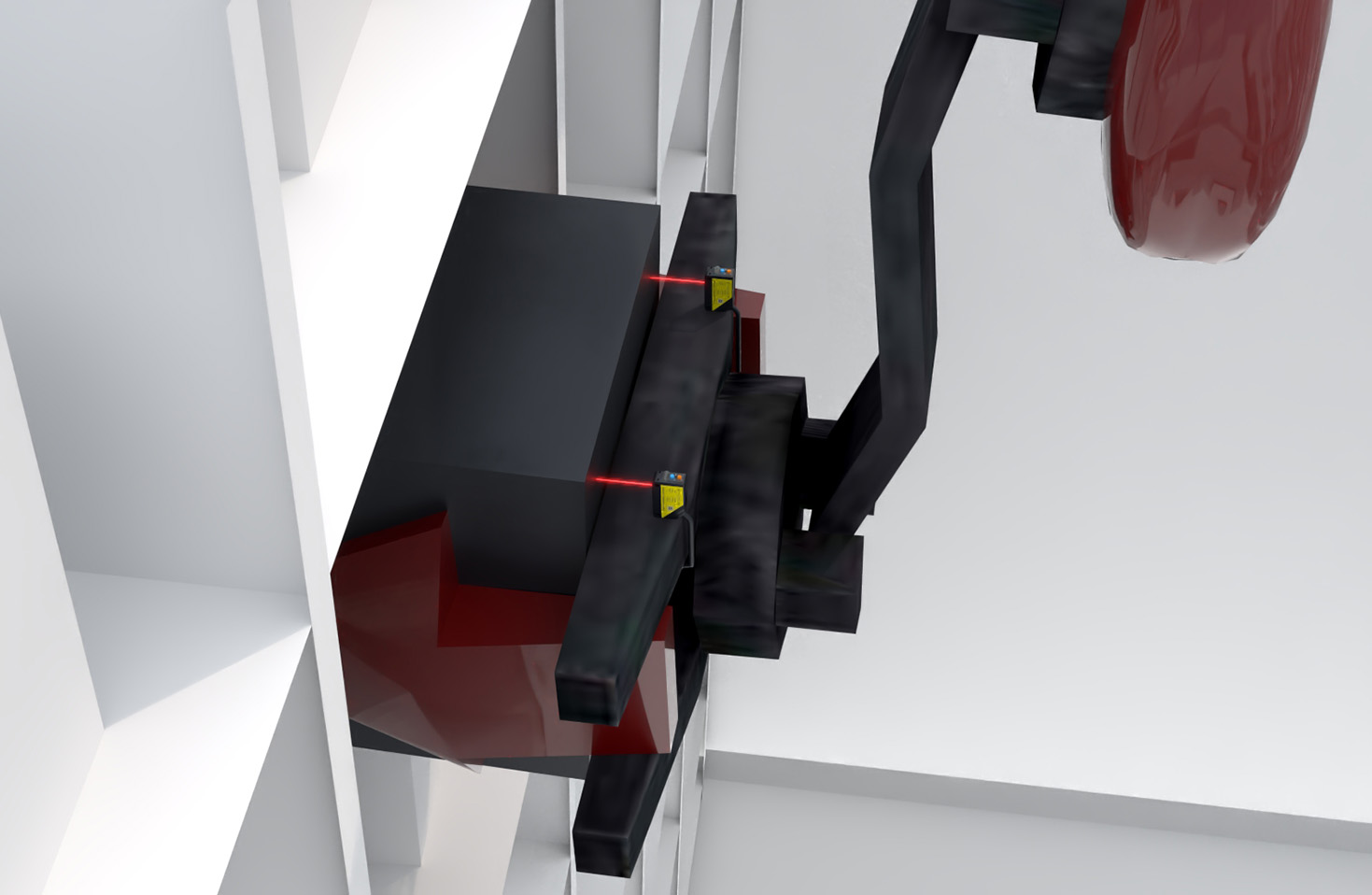
Implementing laser vision technology requires a strategic approach. Successful integration starts with a clear definition of the inspection or guidance task, including the required tolerances, cycle times, and environmental factors. Collaboration with the sensor manufacturer's application engineers during this phase is invaluable. They can help determine the optimal sensor model, field of view, mounting position, and lighting configuration. Post-installation, continuous collaboration ensures the system remains optimized as production lines evolve. The ultimate goal is to create a seamless feedback loop where sensor data directly drives process improvements, reduces waste, and enhances traceability.
Looking ahead, the future of laser vision sensors is intertwined with trends like Industry 4.0 and artificial intelligence. Next-generation sensors are increasingly equipped with embedded AI capabilities, enabling them to perform complex classification and anomaly detection at the edge, without streaming vast amounts of data to a central computer. This reduces latency and network load. Furthermore, integration with industrial IoT platforms is becoming standard, allowing sensor data to contribute to digital twin models and predictive maintenance analytics. Manufacturers who are pioneers in these converging technologies will provide their clients with not just a sensor, but a gateway to smarter, more adaptive, and more connected manufacturing operations.
Choosing a laser vision sensor manufacturer is therefore an investment in a long-term partnership. It is about selecting a provider whose technological roadmap aligns with your future needs, whose support structure guarantees operational continuity, and whose expertise transforms raw data into actionable intelligence. By prioritizing precision, reliability, support, and innovation, businesses can leverage laser vision technology to achieve new levels of automation, quality, and competitiveness in the global market.