Proximity sensors are indispensable components in modern automation, robotics, and consumer electronics, enabling non-contact detection of nearby objects. Understanding their specifications is crucial for selecting the right sensor for a specific application. This guide delves into the core parameters that define a proximity sensor's performance and capabilities.
The sensing range, often called detection distance, is arguably the most fundamental specification. It defines the maximum distance at which the sensor can reliably detect a standard target. This parameter is not a single fixed value but is typically presented as a nominal range (e.g., 10mm) under ideal conditions. Real-world performance depends on the target material, size, and shape. For instance, inductive sensors detect metals, with different response factors for steel, aluminum, and copper. Capacitive sensors can detect a wider variety of materials, including liquids and plastics, but their range is generally shorter. The repeatability, or the sensor's ability to consistently detect an object at the same distance, is a critical sub-specification tied to range.
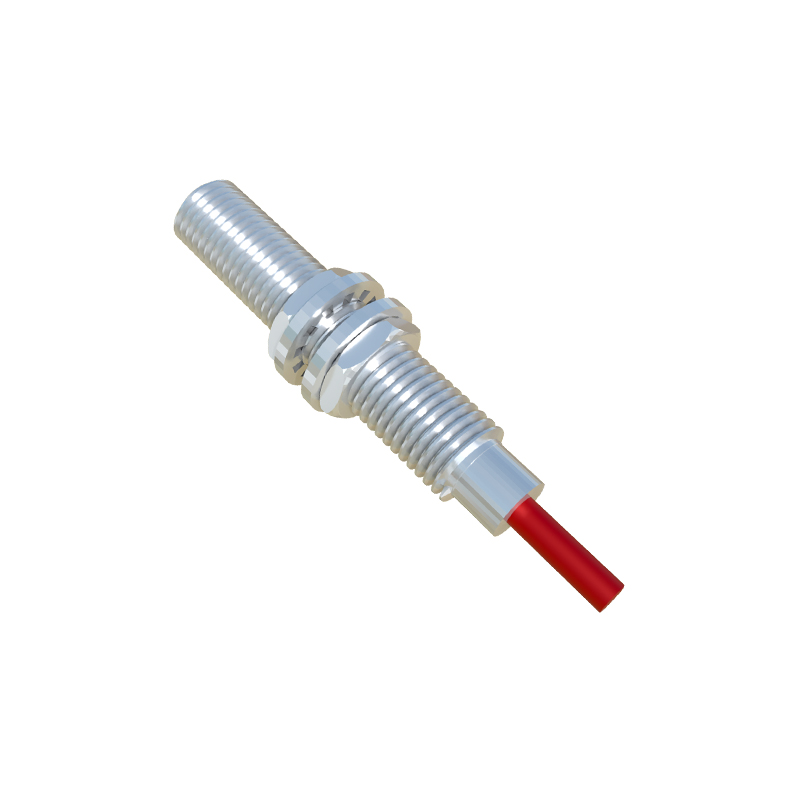
Output type is a key decision point. Sensors primarily offer digital (discrete) or analog outputs. A digital output, such as an NPN (sinking) or PNP (sourcing) transistor, provides a simple ON/OFF signal when an object enters the sensing field. This is common in applications for counting, positioning, or limit detection. Analog outputs, like 4-20mA or 0-10V, provide a continuous signal proportional to the distance of the object. This is essential for applications requiring precise distance measurement or scaling, such as monitoring roll diameters or controlling gap widths.
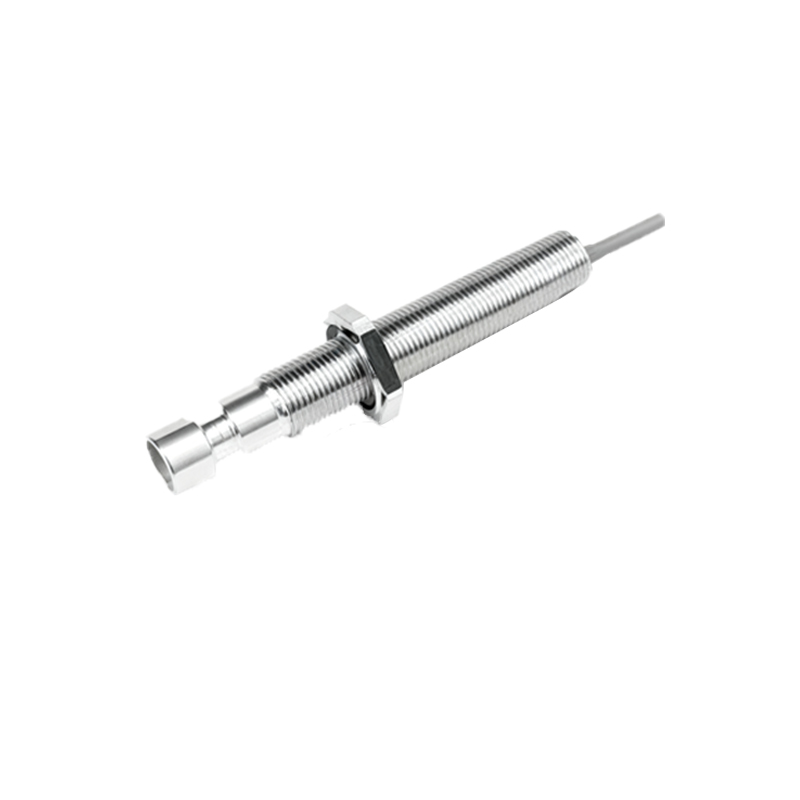
Response time, or switching frequency, indicates how quickly the sensor can react to a change in the detection field. It is usually measured in milliseconds (ms) or as a frequency in Hertz (Hz). A fast response time (e.g., 0.1ms or 5 kHz) is vital in high-speed applications like assembly line sorting or detecting small parts on a conveyor. A slower sensor might miss objects in such scenarios.
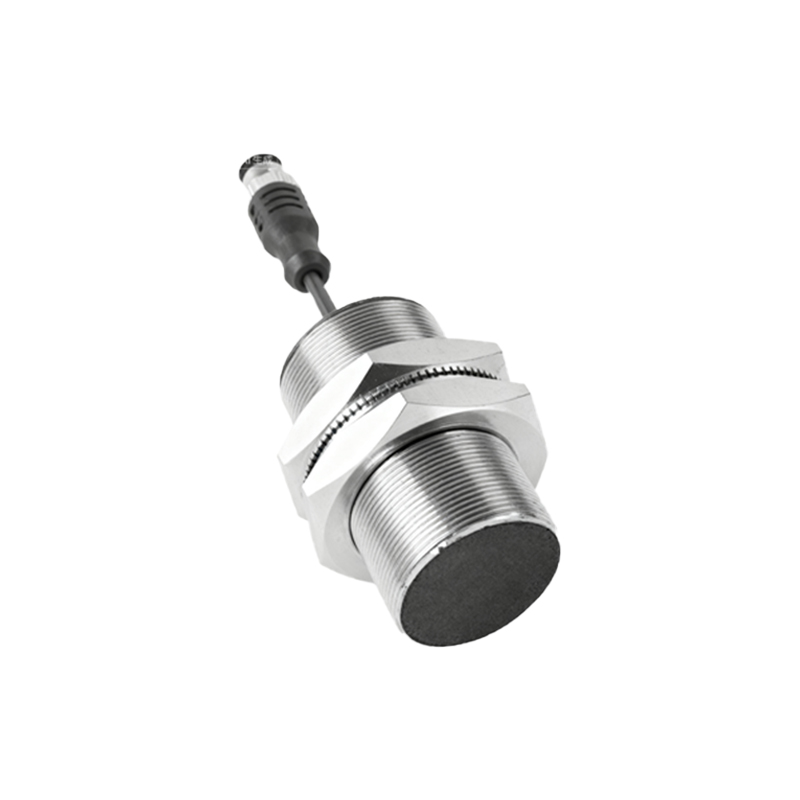
Environmental ratings are non-negotiable for industrial durability. The Ingress Protection (IP) rating, like IP67, defines the sensor's resistance to dust and liquids. An IP67-rated sensor can withstand temporary immersion, making it suitable for washdown environments. Operating temperature range specifies the ambient conditions the sensor can function within without degradation. For harsh environments, additional specifications for resistance to chemicals, vibration, and shock are essential.
Other vital electrical specifications include supply voltage and current consumption. Most industrial sensors operate on a DC voltage range (e.g., 10-30V DC). Ensuring compatibility with the control system's power supply is basic. The load current specifies the maximum current the sensor's output can switch, which must be matched with the input requirements of the connected device, like a PLC input module.
For inductive and capacitive sensors, the hysteresis specification is important. Hysteresis is the difference between the switch-on point (when the object approaches) and the switch-off point (when the object moves away). It prevents output chatter when an object is positioned at the very edge of the sensing range, ensuring a clean, stable signal.
Finally, physical specifications like housing material (often nickel-plated brass or stainless steel), size, and connection type (pre-wired cable or quick-disconnect) are selected based on the mechanical and installation constraints of the application.
In summary, selecting a proximity sensor requires a careful balance of these parameters. A sensor with a long range but slow response time is useless for high-speed counting. A sensor with a high IP rating might be overkill for a clean, indoor cabinet. By thoroughly reviewing specifications like sensing range, output type, response time, and environmental ratings, engineers and technicians can ensure reliable, efficient, and long-lasting sensor integration, forming the backbone of robust automated systems.