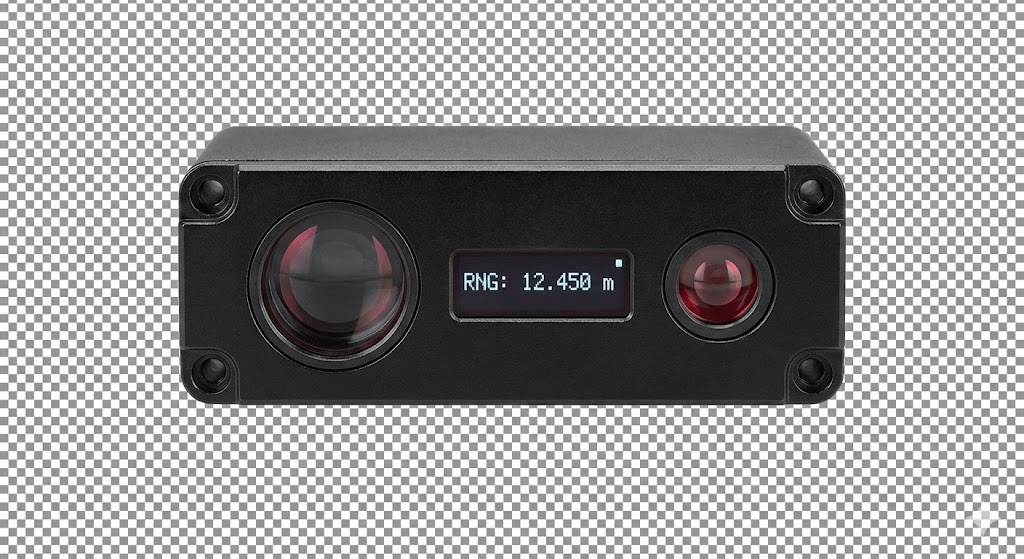
In the rapidly evolving telecommunications industry, laser sensors have become indispensable components, enabling high-precision measurements, data transmission, and network monitoring. Telecom laser sensor manufacturers are at the forefront of developing advanced technologies that enhance connectivity, reliability, and efficiency in global communication systems. This article explores the leading players in this niche market, their technological contributions, and the trends shaping the future of telecom laser sensors.
The telecom sector relies heavily on laser sensors for applications such as fiber optic alignment, signal integrity testing, and environmental monitoring of network infrastructure. These sensors utilize laser beams to detect minute changes in position, temperature, or pressure, ensuring optimal performance in data centers, 5G networks, and satellite communications. Manufacturers like Lumentum, II-VI Incorporated, and NeoPhotonics have established themselves as key innovators, producing sensors that support high-speed optical networks and next-generation wireless technologies. For instance, Lumentum's tunable laser sensors are integral to wavelength division multiplexing (WDM) systems, which increase bandwidth capacity in fiber optics. Similarly, II-VI's offerings include sensors for laser diode monitoring, crucial for maintaining signal strength over long distances.
Technological advancements by these manufacturers focus on improving accuracy, miniaturization, and energy efficiency. Recent developments include the integration of artificial intelligence (AI) for predictive maintenance, allowing sensors to anticipate failures in telecom equipment before they occur. Additionally, the rise of quantum communication has spurred research into ultra-secure laser sensors capable of detecting photon-level interference, a critical feature for safeguarding data transmission. Companies such as Finisar and Hamamatsu Photonics are investing in R&D to create sensors that operate in extreme conditions, from underwater cables to space-based networks, ensuring resilience in diverse environments.

The competitive landscape among telecom laser sensor manufacturers is driven by the demand for faster, more reliable internet services. As 5G deployment expands globally, sensors must adapt to higher frequencies and denser network architectures. This has led to collaborations between manufacturers and telecom giants like Ericsson and Huawei, fostering innovations in LiDAR-based sensors for network mapping and beam steering. Moreover, sustainability initiatives are pushing manufacturers to develop eco-friendly sensors with reduced power consumption, aligning with green telecom goals.
Looking ahead, the convergence of telecom laser sensors with Internet of Things (IoT) devices and edge computing will redefine connectivity. Manufacturers are poised to introduce smarter, autonomous sensors that enable real-time analytics and self-healing networks. In summary, telecom laser sensor manufacturers play a pivotal role in advancing communication technologies, and their ongoing innovations will continue to shape a more connected and efficient world.