In the realm of industrial automation and control systems, 24V proximity sensors have become indispensable components, offering reliable non-contact detection of objects. These sensors operate on a 24V DC power supply, which is a standard in many industrial environments due to its safety and compatibility with various machinery. As demand for precision and efficiency grows, several companies have emerged as leaders in designing and manufacturing high-quality 24V proximity sensors, driving innovations that enhance productivity across sectors like manufacturing, automotive, and logistics.
One of the key players in this field is Siemens AG, a German multinational known for its robust automation solutions. Siemens offers a wide range of 24V inductive and capacitive proximity sensors that excel in harsh industrial conditions. Their sensors feature advanced diagnostics, high switching frequencies, and resistance to environmental factors such as dust, moisture, and temperature fluctuations. For instance, the Siemens SIMATIC series integrates seamlessly with PLC systems, enabling real-time monitoring and control. This reliability makes Siemens a top choice for large-scale manufacturing plants seeking to optimize assembly lines and reduce downtime.
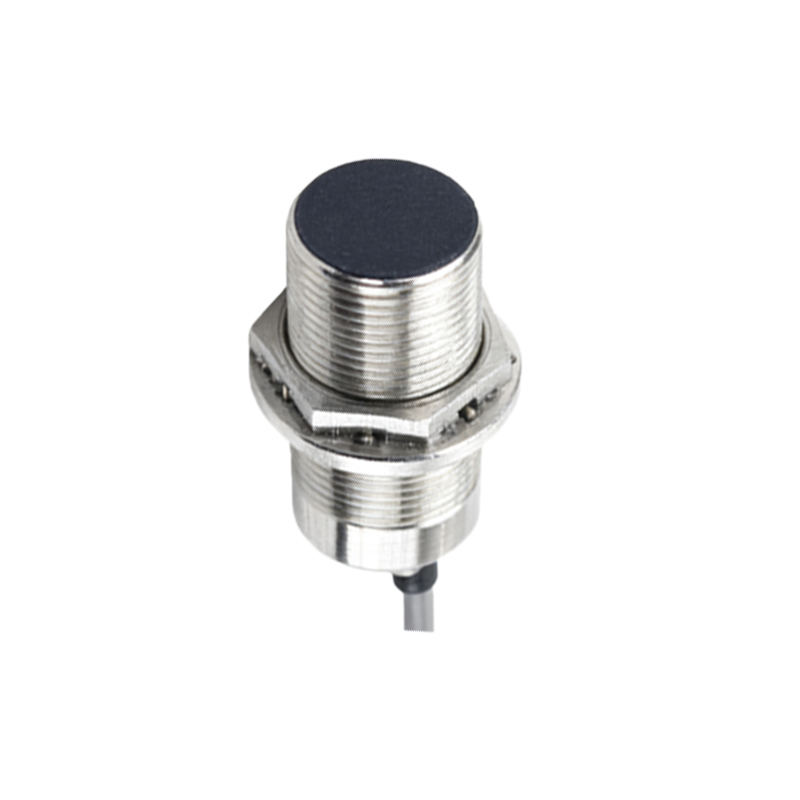
Another prominent company is Omron Corporation, based in Japan, which has pioneered compact and energy-efficient 24V proximity sensors. Omron's E2E series, for example, is renowned for its long sensing distances and durability. These sensors incorporate innovative technologies like embedded coils and shielding to prevent interference from nearby metal objects. Omron focuses on sustainability, with sensors that consume minimal power while maintaining high accuracy, making them ideal for applications in robotics and packaging machinery where space and energy conservation are critical.
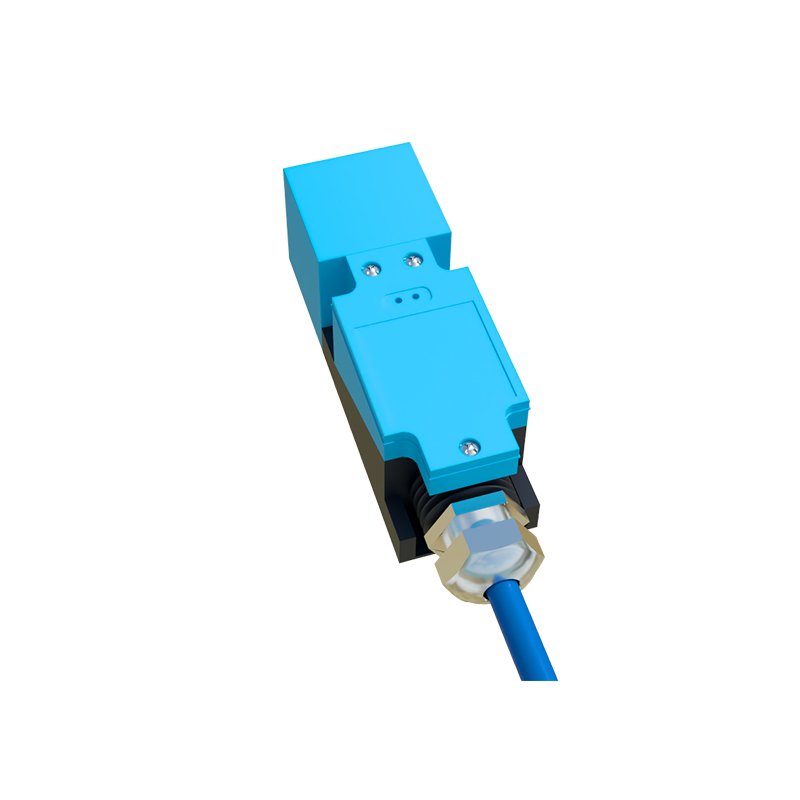
In the United States, Rockwell Automation stands out for its comprehensive portfolio of 24V proximity sensors under the Allen-Bradley brand. Rockwell's sensors are designed with a focus on connectivity and smart manufacturing. They often include IO-Link communication capabilities, allowing for easy integration into Industrial Internet of Things (IIoT) networks. This enables predictive maintenance, where sensors can transmit data on wear and tear, helping companies avoid unexpected failures. Rockwell's solutions are widely used in automotive production lines and material handling systems, where precision and data-driven insights are paramount.
Pepperl+Fuchs, a German specialist in sensor technology, also leads with innovative 24V proximity sensors that cater to explosive environments. Their intrinsically safe sensors are certified for use in hazardous areas, such as chemical plants or oil refineries, where safety is non-negotiable. Pepperl+Fuchs emphasizes customization, offering sensors with varied housing materials and output configurations to meet specific client needs. Their R series, for instance, provides high immunity to electromagnetic interference, ensuring stable operation in complex setups.
Emerging trends in the 24V proximity sensor market include the integration of artificial intelligence and machine learning. Companies like Balluff GmbH are developing smart sensors that can analyze object characteristics beyond mere presence detection. These sensors can distinguish between materials or colors, adding a layer of intelligence to automated processes. Additionally, the shift towards Industry 4.0 has spurred demand for wireless and battery-powered 24V sensors, reducing wiring costs and increasing flexibility in factory layouts.
When selecting a 24V proximity sensor company, factors to consider include product range, durability, technical support, and compliance with international standards like IEC 60947. Leading companies often provide extensive documentation, online configurators, and global service networks to assist engineers in implementation. As industries continue to automate, the role of these sensors will only expand, with innovations focusing on miniaturization, enhanced connectivity, and sustainability.
In summary, the 24V proximity sensor industry is driven by giants like Siemens, Omron, Rockwell Automation, and Pepperl+Fuchs, each contributing unique strengths. Their advancements not only improve operational efficiency but also pave the way for smarter, safer industrial environments. By leveraging cutting-edge technology, these companies help businesses stay competitive in an ever-evolving market.