In the realm of industrial automation, the precision and reliability of welding processes are paramount. Proximity switch welding machines, integral to modern manufacturing lines, rely heavily on specialized sensors to ensure flawless operation. These sensors are not mere components; they are the critical eyes and nerves of the system, dictating the accuracy, speed, and safety of the entire welding operation.
Proximity sensors designed for welding machines face a uniquely hostile environment. They must contend with extreme temperatures, intense electromagnetic interference (EMI) from welding currents, spatter from molten metal, and constant mechanical vibration. Standard inductive or capacitive sensors would quickly fail under such duress. Therefore, welding machine专用 sensors are engineered with robust features. They typically incorporate high-temperature resistant housings, often made from materials like PPS (Polyphenylene Sulfide) or specially coated metals. The sensing face is protected by a thick, resilient layer that resists adhesion of welding spatter. Shielding against EMI is critical; these sensors use advanced filtering circuits and shielded cables to prevent false triggering from the powerful electromagnetic fields generated during arc or resistance welding.
The core function of these sensors is precise position detection. They are tasked with confirming the presence of a workpiece before initiating a weld cycle, verifying the correct positioning of welding guns or torches, and monitoring the movement of fixtures and clamps. Inductive proximity sensors are most common for detecting metallic components, offering non-contact detection with high repeat accuracy. For applications involving non-metallic materials or where different sensing ranges are needed, capacitive or ultrasonic variants may be employed. The key performance metrics include sensing distance, repeatability, response frequency, and temperature stability. A sensor with a high IP rating (e.g., IP67 or IP69K) is essential to withstand coolant, oil, and dust ingress.
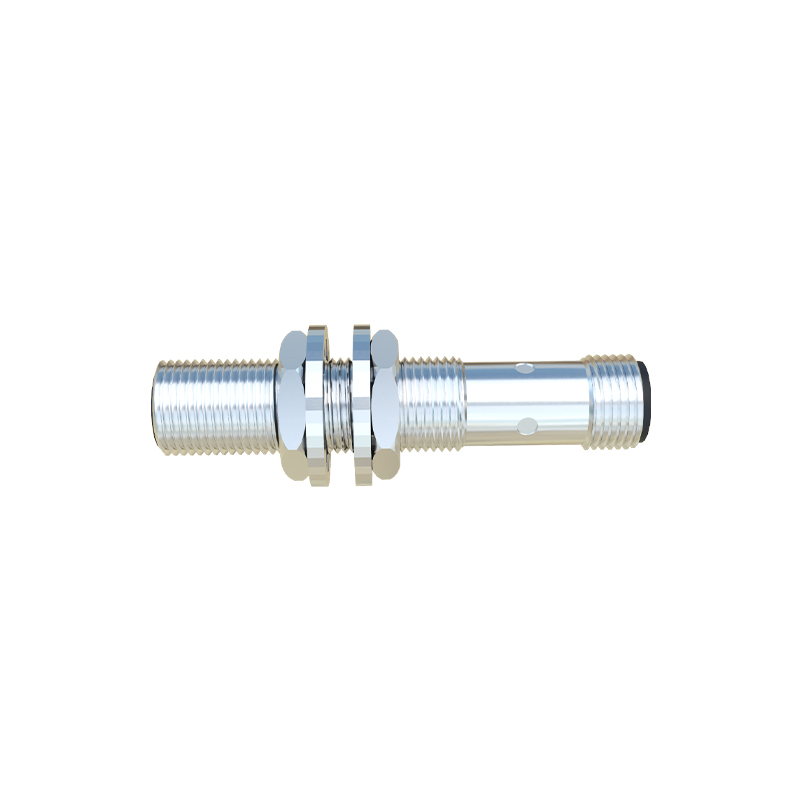
Integration into the welding machine's control system is seamless through industry-standard interfaces like PNP/NPN outputs or IO-Link for smart sensor capabilities. IO-Link enabled sensors provide valuable diagnostic data, such as operating temperature, signal strength, and contamination warnings, enabling predictive maintenance and reducing unplanned downtime. This connectivity is vital for Industry 4.0 and smart factory initiatives, where data from every component feeds into a larger ecosystem for optimization.
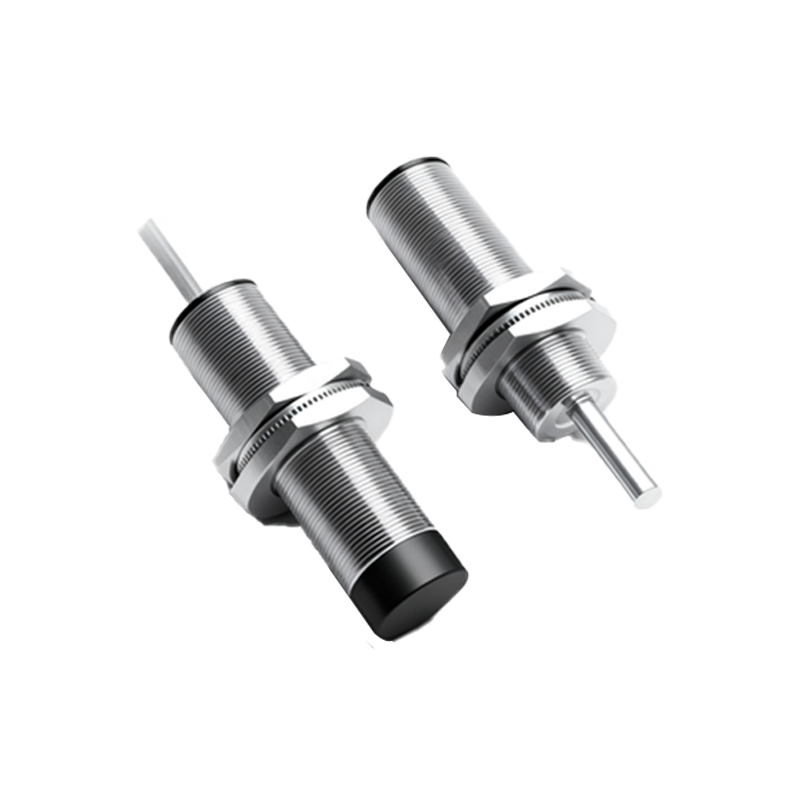
Selecting the right sensor requires careful analysis of the application. Factors include the type of welding process (MIG, TIG, spot, laser), the material of the target, required sensing range, ambient temperature extremes, and the electrical noise environment. For instance, in robotic welding cells, compact, rectangular sensors might be preferred to fit into tight spaces, while for heavy-duty spot welding machines, large barrel-style sensors with extended sensing ranges are often used.
Regular maintenance, though minimal, is crucial. The sensing face must be kept clean from accumulated spatter or debris to maintain optimal performance. Many modern sensors feature a "teach-in" function or built-in LED indicators for easy setup and troubleshooting, allowing technicians to quickly verify operation.
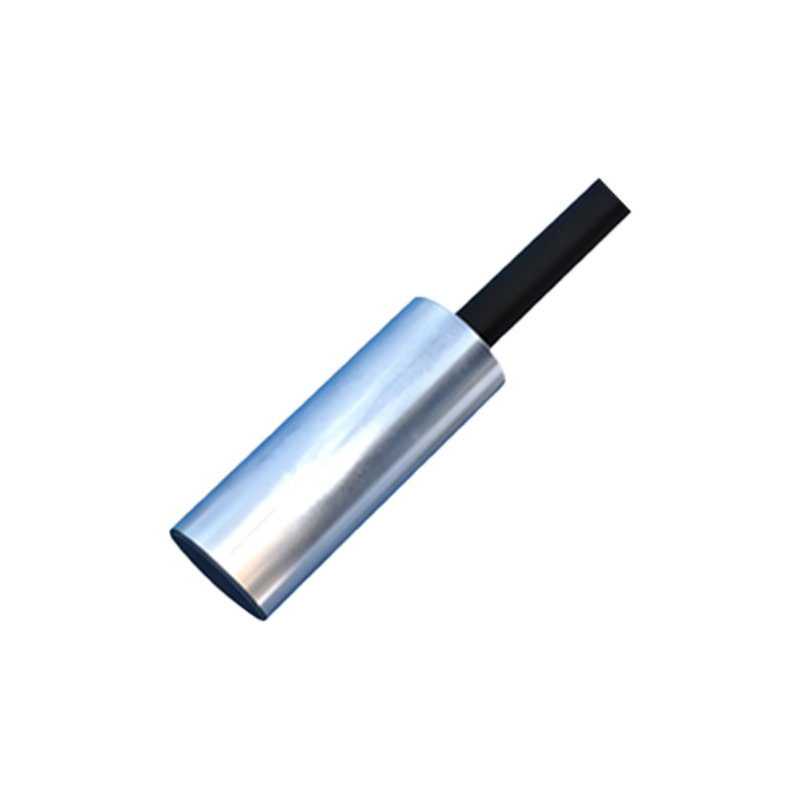
In conclusion, the专用 proximity sensor in a welding machine is a masterpiece of focused engineering. It transforms a challenging, dynamic, and electrically noisy environment into a stream of reliable digital signals that drive precision automation. By ensuring every weld cycle begins and ends with verified positional data, these sensors are indispensable for achieving high-quality welds, maximizing throughput, and safeguarding both equipment and product integrity. Their continued evolution, with smarter features and greater resilience, will further push the boundaries of automated welding technology.