In the realm of industrial automation and electronic control systems, proximity sensors are indispensable components. A common question that arises among engineers and technical procurement specialists is: are proximity sensors related to materials? The unequivocal answer is yes. The relationship is not merely incidental; it is fundamental to the sensor's operating principle, selection criteria, and ultimate performance in an application. This article delves into the intricate connection between proximity sensor technology and the materials they detect, as well as the materials from which they are constructed.
At its core, a proximity sensor is a device that detects the presence or absence of an object within its sensing range without physical contact. The most prevalent types are inductive, capacitive, and photoelectric sensors. Each type interacts with materials in a distinct manner, governed by specific physical properties.
Inductive Proximity Sensors and Metals
Inductive proximity sensors are the most material-specific. They generate an electromagnetic field and detect changes in that field caused by eddy currents induced in a target object. This principle means they are inherently designed to detect ferrous and non-ferrous metals. However, their sensitivity and sensing range vary dramatically based on the target material's properties.
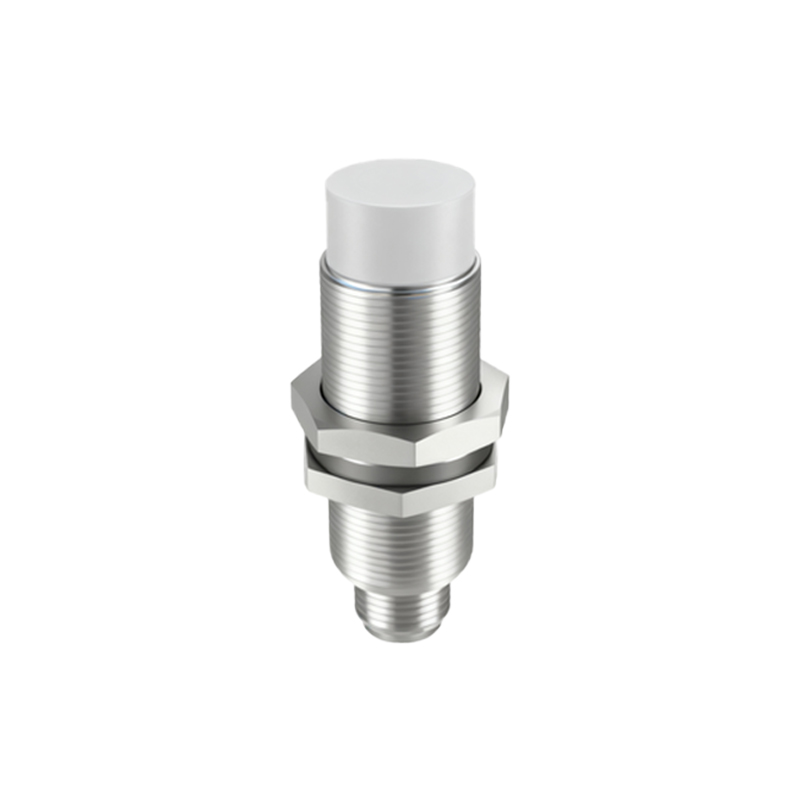
Factor 1: Material Composition: Ferrous metals (like mild steel, iron) typically provide the standard sensing distance, often defined as the "rated operating distance (Sn)." Non-ferrous metals (like aluminum, brass, copper) have lower permeability and conductivity, resulting in a reduced sensing range. For instance, an inductive sensor rated for 10mm on mild steel may only sense aluminum at 4-6mm. Manufacturers provide correction factors (e.g., 0.4 for aluminum, 0.9 for stainless steel) to calculate the effective range.
Factor 2: Target Size and Thickness: The target material must be sufficient in size (usually at least equal to the sensor's face diameter) and thickness to adequately dampen the oscillator's energy. Thin foils or very small metal pieces may not be detected reliably.
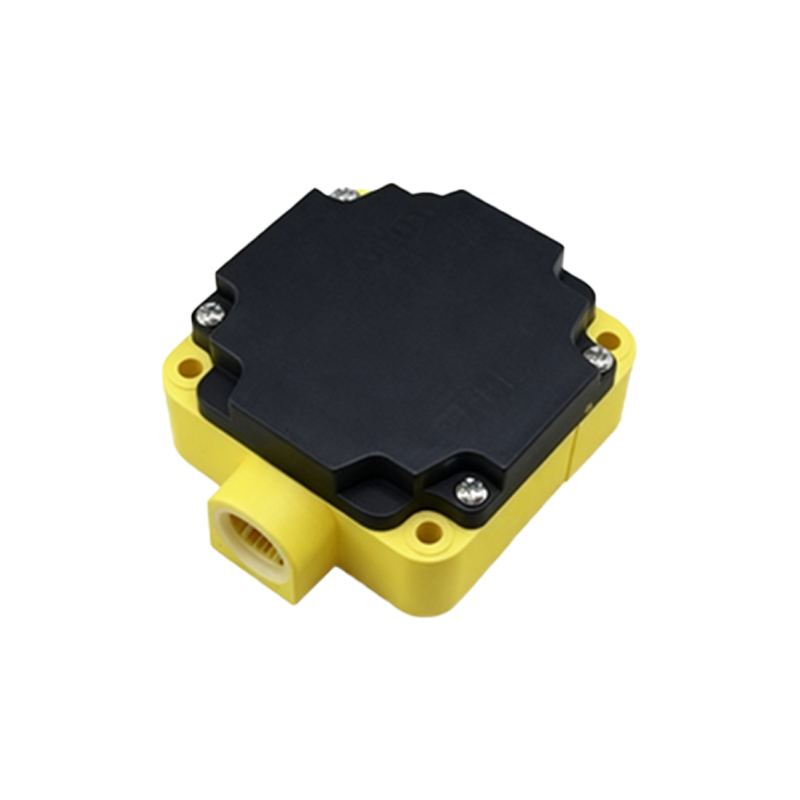
Factor 3: Sensor Housing Material: The material of the sensor's front face (the "active surface") is crucial. Sensors designed for harsh environments often have housings made of stainless steel (e.g., V2A/AISI 304, V4A/AISI 316) or PBT/PTFE plastics, which must be carefully engineered to allow the electromagnetic field to pass through with minimal attenuation.
Capacitive Proximity Sensors and Material Dielectric Constant
Capacitive sensors detect objects by measuring changes in capacitance between the sensor's electrode and the ground. They can detect a much wider range of materials, including metals, plastics, glass, wood, cardboard, and liquids. The key material property here is the dielectric constant (εr).
Material Influence: A higher dielectric constant means the material more easily polarizes in an electric field, making it easier for the capacitive sensor to detect. Water (εr ≈ 80) has a very high dielectric constant, making capacitive sensors excellent for liquid level detection. Plastics (εr ≈ 2-5) and wood (εr ≈ 2-6) have lower constants, requiring sensor sensitivity adjustment. Metals, being conductive, appear as an extreme dielectric to the sensor and are easily detected.
Application Consideration: The sensor's sensitivity must be tuned based on the target material's εr and the environmental conditions, as humidity or dust (which can hold moisture) can affect the background capacitance and cause false triggers.
Photoelectric Sensors and Material Optical Properties
Photoelectric sensors use light beams (visible red, infrared, laser) to detect objects. Their interaction with material is based on optical properties: reflectivity, color, transparency, and surface finish.
Reflective vs. Absorptive: A glossy white surface reflects most light, making detection easy for retro-reflective or diffuse sensors. A matte black surface absorbs light, significantly reducing the effective sensing range. Special "background suppression" or "color contrast" sensors are designed to overcome this by evaluating the angle or intensity of the reflected light.
Transparency: Detecting clear glass or plastic requires a polarized retro-reflective or through-beam sensor setup to avoid false signals from the transparent material itself.
Material State: Even the same material can behave differently if its state changes. For example, a shiny metal surface may specularly reflect a beam away from the receiver, while a brushed or painted finish provides more diffuse reflection.
Material Selection for Sensor Construction
Beyond detection, the materials used to construct the sensor body, face, and internal components are critical for reliability. The choice depends on the application environment:
Harsh Chemical Environments: Sensors require housings and seals made of