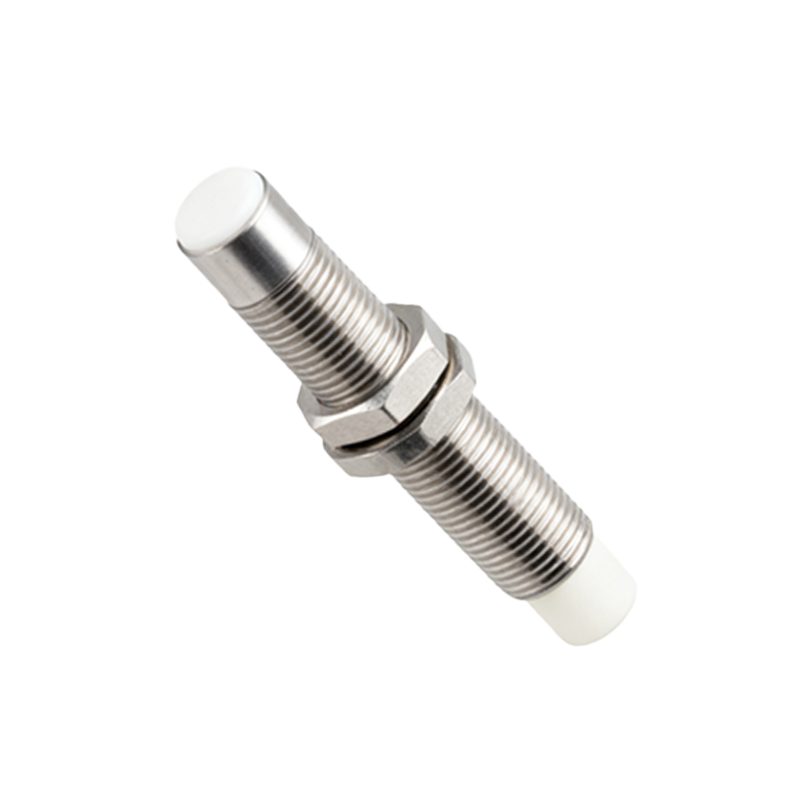
In the realm of industrial automation and control systems, proximity sensors play a pivotal role in enabling non-contact detection of objects, ensuring precision, reliability, and efficiency. Among the diverse range of sensors available, the R11S proximity sensor stands out as a robust and versatile solution widely adopted across various sectors, including manufacturing, packaging, automotive, and material handling. This article delves into the technical specifications, operational principles, key features, and practical applications of the R11S proximity sensor, providing a detailed overview for engineers and technicians seeking to optimize their automation setups.
The R11S is typically an inductive proximity sensor, designed to detect metallic objects without physical contact. It operates on the principle of electromagnetic induction. Inside the sensor, an oscillator generates a high-frequency electromagnetic field that emanates from the sensing face. When a metallic target enters this field, eddy currents are induced on the surface of the target, causing a change in the oscillation amplitude. This change is detected by the sensor's circuitry, which subsequently triggers a switching action—either opening or closing an output circuit. This non-contact method eliminates mechanical wear, enhances longevity, and allows for high-speed detection, making the R11S ideal for demanding industrial environments.
Key technical characteristics of the R11S proximity sensor often include a sensing range tailored for specific models, commonly up to 15 mm for standard versions. It usually features a shielded design, allowing flush mounting in metal without compromising performance. The housing is typically constructed from robust materials like nickel-plated brass or stainless steel, offering high resistance to corrosion, impacts, and harsh conditions such as exposure to coolants, oils, and dust. Electrical specifications generally encompass a wide operating voltage range (e.g., 10-30 V DC) and output types such as NPN (sinking) or PNP (sourcing) configurations, with options for normally open (NO) or normally closed (NC) contacts. Many R11S models also incorporate protection against short-circuit, reverse polarity, and overload, ensuring operational safety and durability.
One of the standout features of the R11S sensor is its high switching frequency, often exceeding 1 kHz, which enables precise detection in high-speed applications like counting, sorting, or position verification on conveyor lines. Additionally, its compact cylindrical design (commonly M12 or M18 threaded barrels) facilitates easy installation and integration into tight spaces. The sensor typically includes an LED indicator for visual status monitoring, aiding in quick diagnostics and setup.
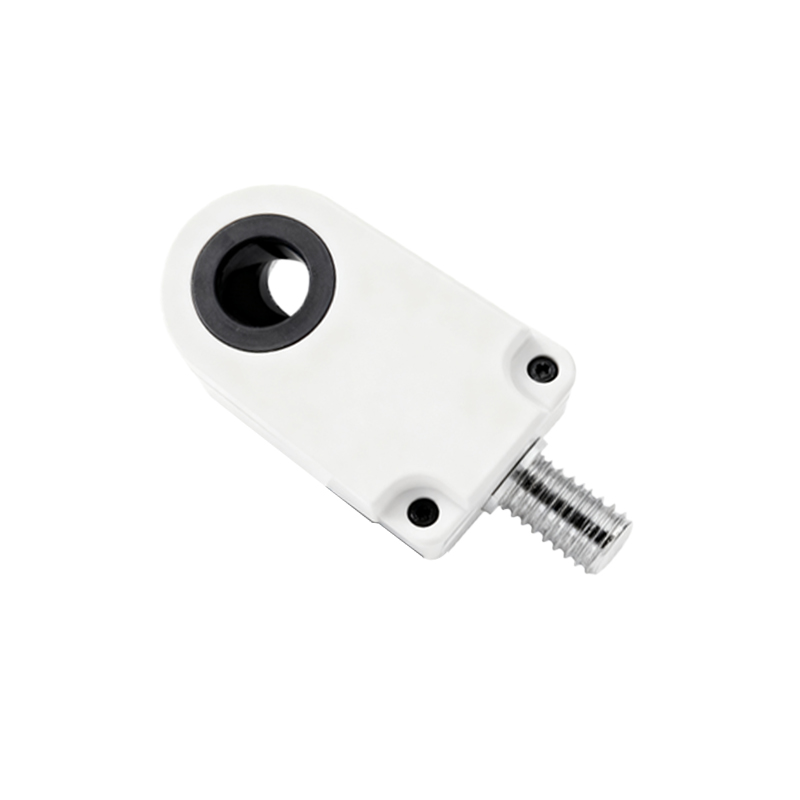
In practical applications, the R11S proximity sensor proves invaluable. In automotive assembly lines, it detects the presence of metal components like bolts or engine parts, ensuring correct positioning before robotic welding or assembly. In packaging machinery, it monitors fill levels by sensing metal containers or caps, triggering controls to maintain workflow continuity. Within material handling systems, it serves as a limit switch to detect pallets or guides on automated guided vehicles (AGVs), preventing collisions and optimizing routing. Its resilience also makes it suitable for heavy industries, such as steel manufacturing, where it operates reliably near high temperatures and vibrations.
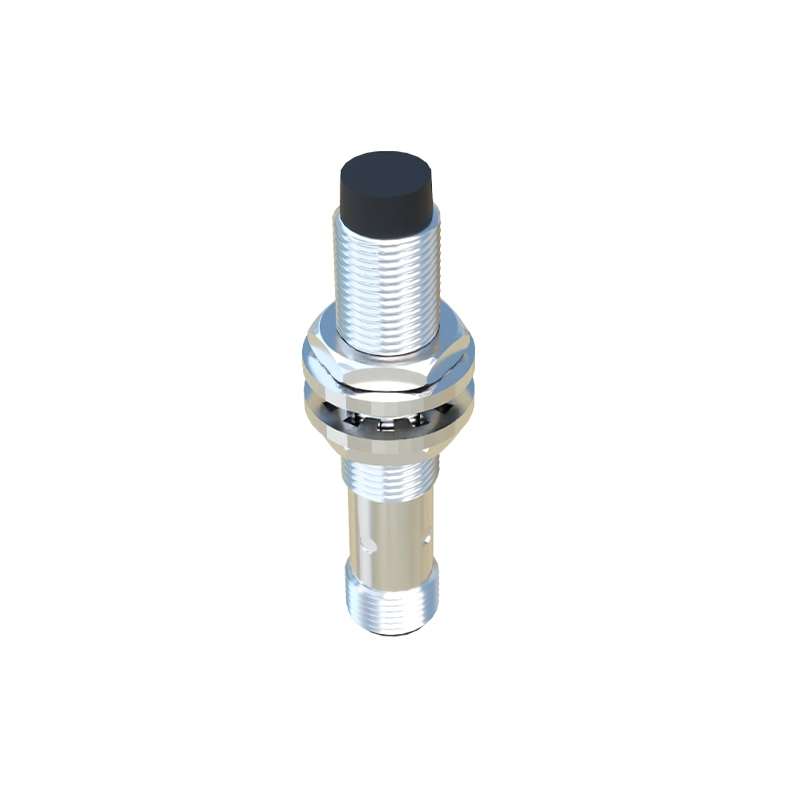
When selecting and installing an R11S sensor, several factors must be considered. The sensing range should match the target size and material; for instance, ferrous metals like iron and steel are detected at longer ranges compared to non-ferrous metals like aluminum or copper. Environmental conditions, including temperature extremes, humidity, and potential chemical exposure, should align with the sensor's IP (Ingress Protection) rating, often IP67 or higher for dust and water resistance. Proper mounting is crucial—ensuring the sensor is aligned correctly with the target and maintaining a clean sensing face free from debris to avoid false triggers. Regular maintenance, though minimal, involves periodic checks for physical damage and verification of electrical connections.
In comparison to other sensor types like capacitive or ultrasonic proximity sensors, the inductive R11S excels specifically in metal detection with high accuracy and immunity to non-metallic interferences. However, for applications requiring detection of non-metallic objects, alternative technologies may be more appropriate.
In conclusion, the R11S proximity sensor represents a cornerstone of modern industrial automation, offering a blend of durability, precision, and ease of use. Its ability to perform reliably under tough conditions while providing non-contact sensing makes it a preferred choice for engineers aiming to enhance productivity and reduce downtime. As industries continue to evolve toward smarter, more connected systems, understanding and leveraging sensors like the R11S will remain essential for achieving seamless and efficient operations.