In the realm of industrial automation and machinery, proximity sensors are indispensable components, responsible for detecting the presence or absence of objects without physical contact. A common and pressing question that arises in maintenance departments worldwide is: "Can a non-OEM (Original Equipment Manufacturer) proximity sensor be repaired?" The answer is not a simple yes or no; it is a nuanced consideration of technical feasibility, economic sense, and operational risk.
Firstly, it is crucial to understand the fundamental construction of a typical inductive or capacitive proximity sensor. The core components include an oscillator circuit, a detection coil or electrode, a signal amplifier, and an output switching circuit, all encapsulated in a robust housing. When a non-OEM sensor fails, the root cause typically falls into one of several categories: physical damage to the housing or sensing face, failure of the output transistor (e.g., a burnt-out NPN/PNP), degradation or breakage of internal wiring/coils, or malfunction of the oscillator IC.
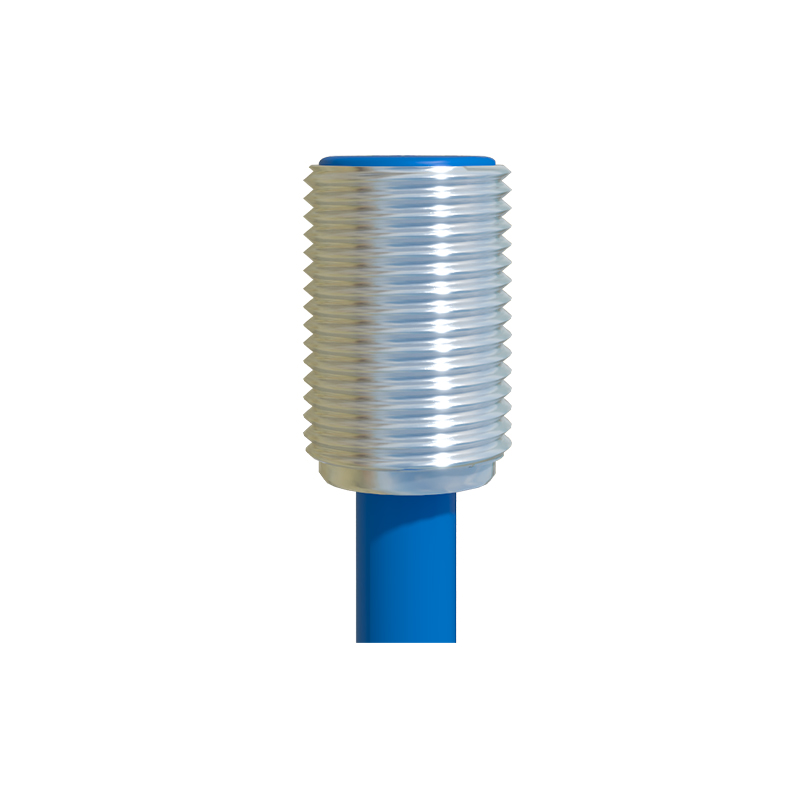
The possibility of repair hinges on the nature of the failure. Physical damage, such as a cracked epoxy-resin sensing face or a severely dented metal housing, often renders the sensor beyond economical repair. The integrity of the sensing face is paramount for consistent detection characteristics. Attempting to patch or re-seal it can drastically alter the sensor's effective sensing distance and environmental sealing (IP rating), leading to unreliable operation in demanding industrial environments.
Internal electronic failures present a more complex scenario. For a skilled technician with the right diagnostic tools (oscilloscope, multimeter) and access to electronic components, repairing a faulty circuit board is technically possible. For instance, replacing a shorted output transistor or a damaged diode is a standard procedure. However, significant challenges arise. Non-OEM sensors may use proprietary or obscure integrated circuits that are not readily available on the open market. Even if the specific IC is found, sourcing it in small quantities can be costly and time-consuming. Furthermore, the compact, potted design of many sensors—where the internal electronics are encased in a solid epoxy compound for vibration resistance and environmental protection—makes disassembly and component-level repair extremely difficult, if not destructive.
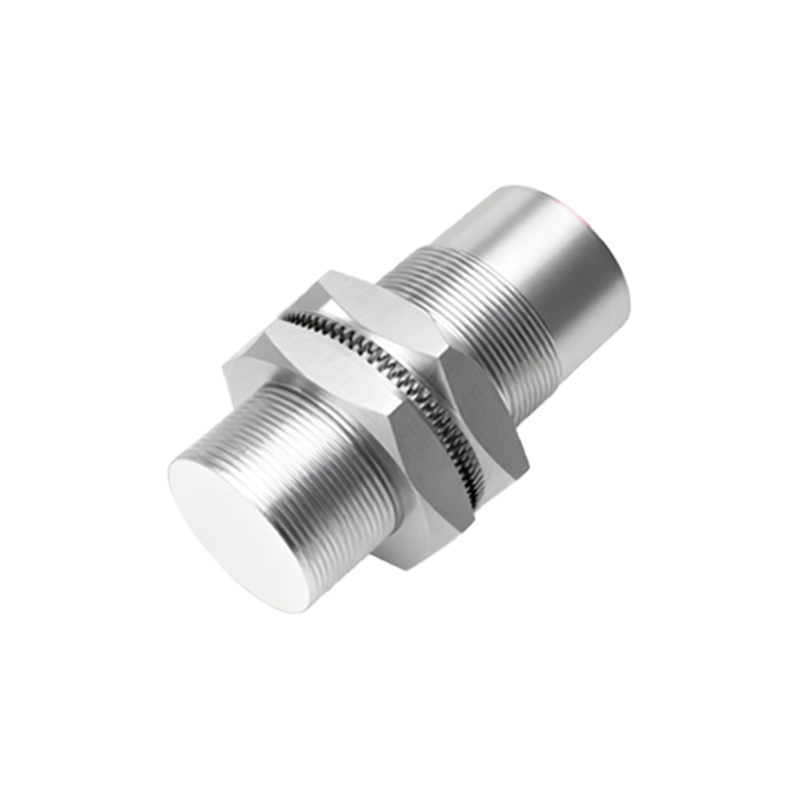
From an economic standpoint, repair often struggles to compete with replacement. The labor cost for diagnosis, disassembly, component sourcing, reassembly, and testing can quickly approach or exceed the price of a new, reliable third-party or even an OEM sensor. This calculation becomes even less favorable for standard, low-cost sensor models. Repair might only be justifiable for highly specialized, custom, or extremely expensive sensors where a direct replacement is unavailable or has a very long lead time.
Operational risk is the paramount consideration. A repaired sensor, especially one that has undergone component replacement or physical modification, may not perform to its original specifications. Key parameters like switching frequency, repeat accuracy, hysteresis, and temperature stability could be compromised. In a critical application—controlling a safety interlock, positioning in a high-speed assembly line, or monitoring a precise fill level—a sensor failure can lead to costly downtime, product quality issues, or even safety hazards. The reliability guarantee of a new sensor, backed by manufacturer testing and specifications, often outweighs the uncertainty of a repair.
Therefore, a recommended decision-making framework is as follows:
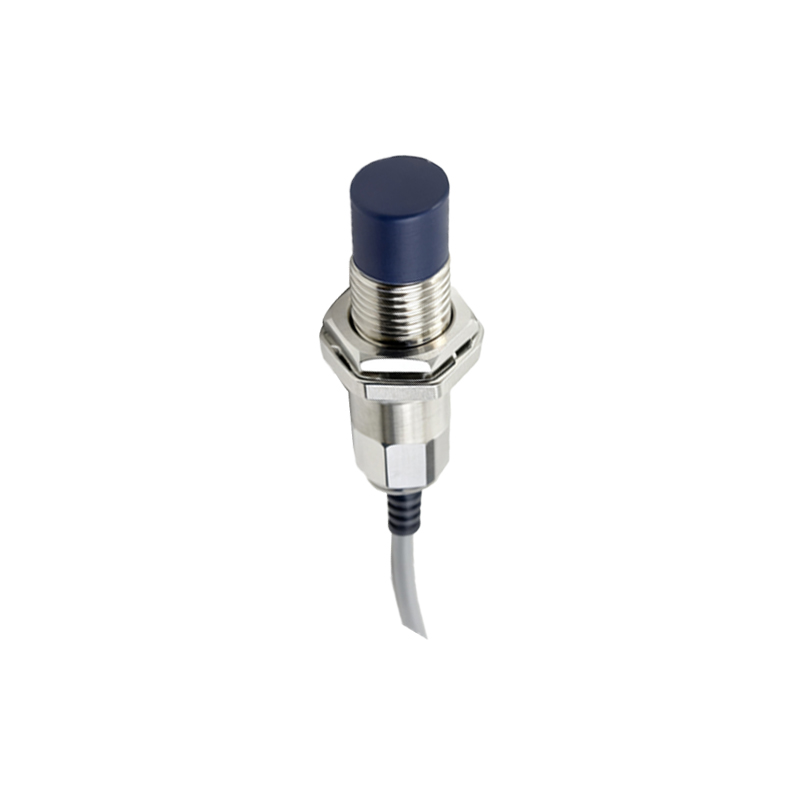
1. Diagnosis: Precisely identify the failure mode.
2. Assessment: Evaluate the sensor's criticality to the process, its cost, and the availability of replacements.
3. Feasibility Check: Determine if the repair is technically viable without compromising core functionality (e.g., can it be done without breaking the seal? Are parts available?).
4. Cost-Benefit Analysis: Compare the total repair cost (parts + labor + downtime) against the cost of a new equivalent sensor.
5. Risk Management: For non-critical applications with simple, verifiable faults (like a broken cable), repair can be a viable stop-gap. For critical applications, replacement is almost always the safer, more reliable long-term solution.
In conclusion, while it is technically possible to repair some non-OEM proximity sensors under specific conditions, it is frequently not the most practical or reliable course of action. The industry best practice leans towards the replacement of faulty sensors with quality units that meet the application's requirements. This approach minimizes operational risk, ensures system integrity, and, in the total cost of ownership, often proves to be more economical than attempting a repair with uncertain outcomes. Preventive maintenance and proper installation remain the most effective tools for maximizing sensor lifespan.