In the realm of industrial automation and machine safety, the reliability and precision of sensing components are paramount. Among the diverse array of sensors available, the M105-18A proximity sensor stands out as a robust and widely utilized inductive device. This article delves into the technical specifications, operational principles, typical applications, and key considerations for integrating the M105-18A into modern control systems.
At its core, the M105-18A is an inductive proximity sensor. This technology operates on the principle of electromagnetic induction. The sensor generates a high-frequency oscillating electromagnetic field from its active face. When a metallic target object enters this detection field, eddy currents are induced on the target's surface. These eddy currents cause a measurable change in the sensor's internal oscillation amplitude or frequency. This change is detected by the sensor's circuitry, which subsequently triggers a switching action in its output signal. The "M105" typically denotes the series or form factor, while "18A" often specifies the sensing distance, in this case, 18mm, and potentially the output configuration or housing style. It is crucial to consult the specific manufacturer's datasheet for exact model delineations, as naming conventions can vary.
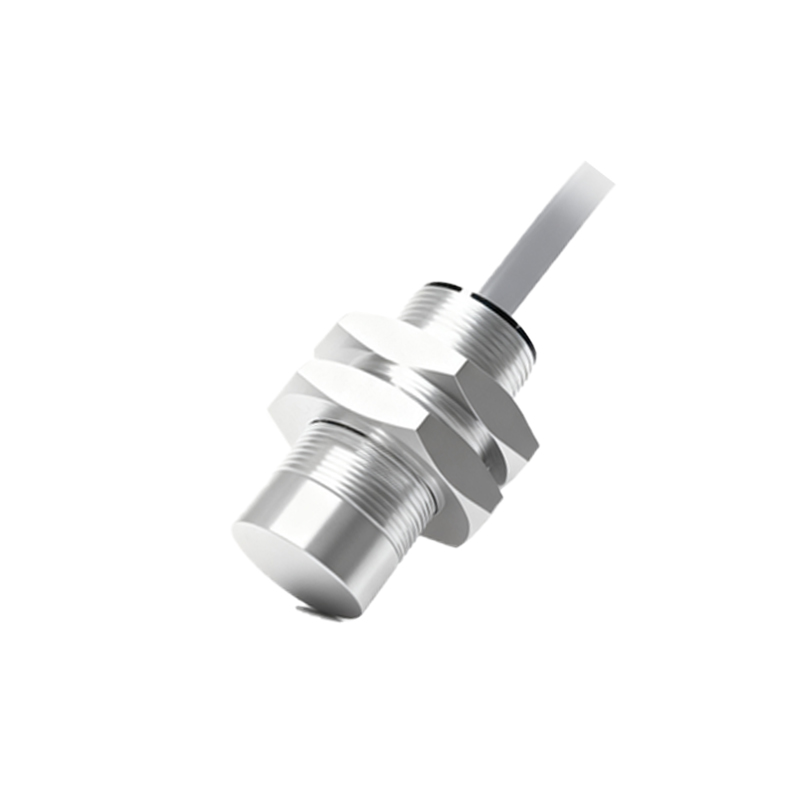
Key technical characteristics define the performance envelope of the M105-18A. The rated sensing distance is standardized at 18mm. However, a critical parameter is the assured operating distance, which accounts for factors like supply voltage tolerance and temperature drift, and is typically 0 to 14.4mm (80% of the rated distance). This sensor is designed to detect ferrous metals (like steel) at its full rated distance, while for non-ferrous metals like aluminum or copper, the effective sensing range is reduced, often necessitating a correction factor. The M105-18A commonly features a shielded (flush-mountable) design, allowing it to be installed flush with a metal bracket without affecting its sensing field, which is advantageous for space-constrained or protected installations.
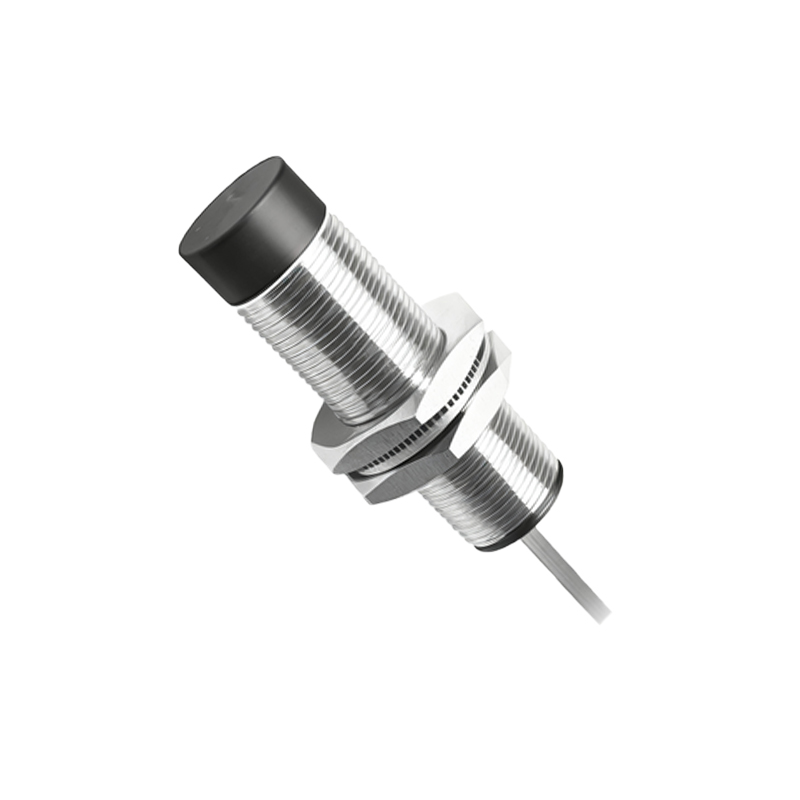
Output configurations are a vital selection criterion. The M105-18A is frequently available in both NPN (sinking) and PNP (sourcing) transistor outputs, as well as Normally Open (NO) or Normally Closed (NC) switching logic. The choice between NPN and PNP depends on the input requirements of the connected controller (PLC, relay, etc.). The sensor operates on a standard DC supply voltage, commonly in the range of 10-30V DC, ensuring compatibility with most industrial power systems. Its housing is invariably constructed from robust materials like nickel-plated brass or stainless steel, offering high resistance to mechanical impact, vibration, and harsh industrial environments including exposure to coolants and cutting oils.
The application spectrum for the M105-18A is extensive. It is a workhorse in machine tools for tasks such as tool positioning, spindle orientation, and end-of-travel limit detection. In material handling and packaging machinery, it reliably detects the presence of metal parts, pallets, or containers on conveyor lines. Automated assembly systems employ it for part verification and robotic arm position feedback. Furthermore, its robust build makes it suitable for heavy-industry applications like metal stamping, die casting, and automotive manufacturing, where durability is non-negotiable.
Successful integration requires attention to several factors. First, proper mounting is essential; ensuring the correct clearance around the sensor face as per manufacturer guidelines prevents false triggers. Second, selecting the appropriate output type (NPN/PNP) for the control system's common wiring scheme (sourcing or sinking) is fundamental to avoid interface issues. Environmental considerations are also critical. While the M105-18A is resilient, extreme temperatures, strong electromagnetic fields from welding equipment, or direct exposure to heavy metallic dust can affect performance. In such cases, sensors with higher IP (Ingress Protection) ratings or specialized shielding may be required. Regular maintenance, though minimal, involves periodic cleaning of the sensing face to remove debris that could attenuate the sensing field.
In conclusion, the M105-18A proximity sensor embodies a mature and highly reliable sensing solution. Its defined 18mm sensing range, robust construction, and versatile output options make it a default choice for countless engineers designing and maintaining automated systems. Understanding its operational principles and application boundaries allows for optimal deployment, ensuring long-term, trouble-free operation that contributes to enhanced machine productivity, safety, and operational efficiency. Always refer to the official technical documentation for the precise specifications, wiring diagrams, and installation instructions pertinent to your specific model variant.