In the realm of industrial automation, robotics, and advanced measurement systems, the demand for reliable and precise sensing technology is paramount. Among the various options available, high-quality laser sensors have emerged as a cornerstone technology, offering unparalleled accuracy, speed, and versatility. Unlike conventional sensors, these devices utilize focused laser beams to perform non-contact measurements, making them ideal for applications where physical contact could damage the object or compromise the measurement integrity.
The fundamental principle behind a laser sensor involves emitting a coherent beam of light towards a target. The sensor then analyzes the reflected light. Different technologies are employed to interpret this reflection. Time-of-flight (ToF) sensors, for instance, calculate distance by measuring the time it takes for the laser pulse to travel to the target and back. Triangulation sensors, another common type, use a geometric approach where a laser dot is projected onto the target, and a receiver lens at a known angle captures the reflected spot's position. Displacement in the target's position causes the spot to move across the receiver, allowing for extremely precise distance or height measurements. The core components—a stable laser diode, high-quality optics, and a sensitive photodetector—must be engineered to exceptional standards to ensure consistent performance under varying environmental conditions.
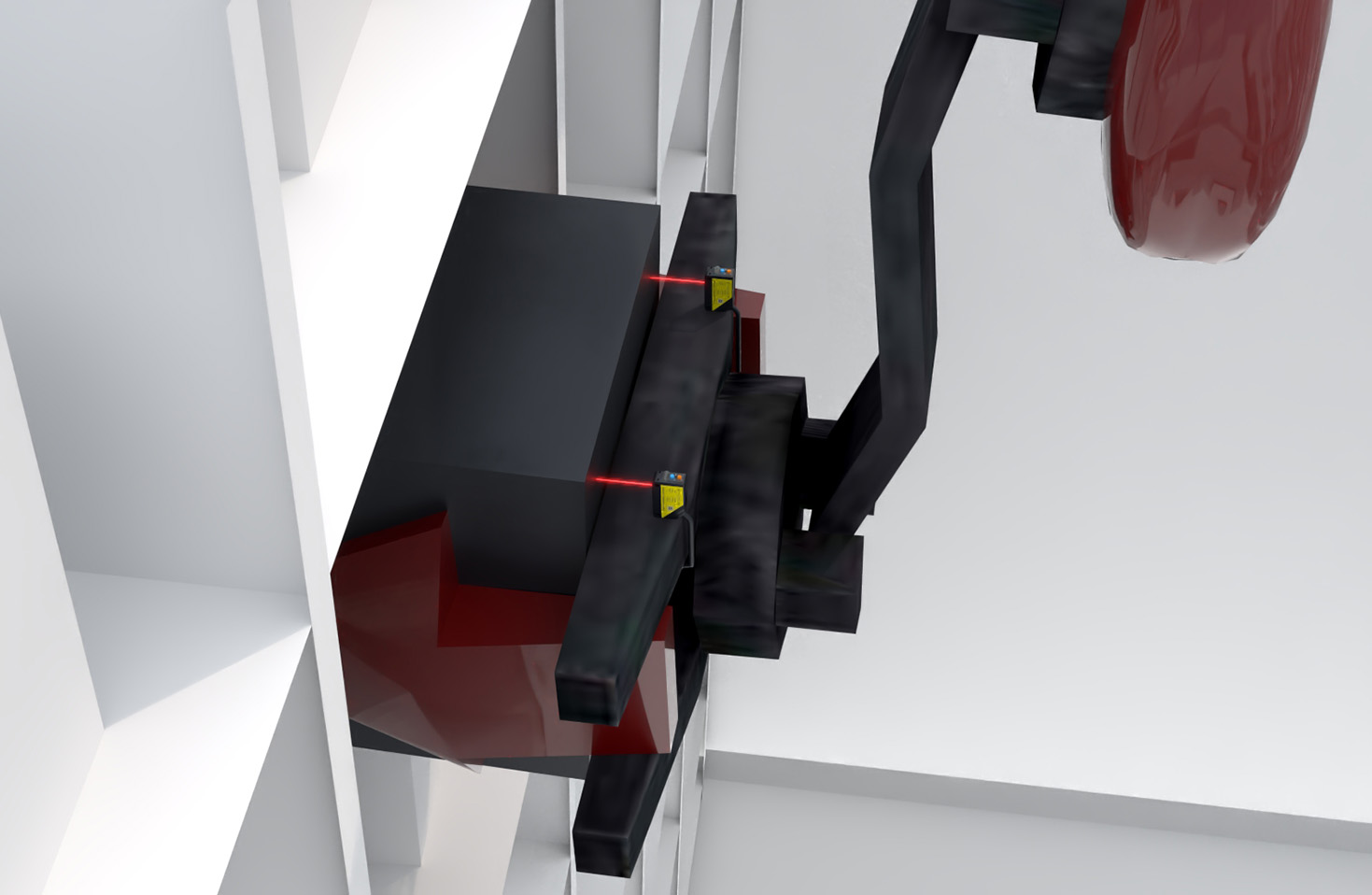
The advantages of deploying high-quality laser sensors are numerous. Their primary benefit is sub-micron level precision, capable of detecting minute changes imperceptible to other methods. They operate at high speeds, enabling real-time inspection and control in fast-moving production lines, such as in automotive or electronics manufacturing. Being non-contact, they eliminate wear and tear on the sensor itself and prevent any marking or deformation of sensitive materials like polished metals, delicate plastics, or semiconductor wafers. Furthermore, modern laser sensors are designed to be robust, often featuring IP67 or higher ratings for resistance to dust, water, and vibrations commonly found in industrial settings.
The applications of these sensors are vast and cross-disciplinary. In manufacturing, they are indispensable for precise dimensional gauging, checking part presence, monitoring thickness, and controlling robotic positioning. In the logistics sector, they facilitate accurate package dimensioning and palletizing. Automotive industries rely on them for assembly verification and paint gap inspection. Beyond industrial floors, they play critical roles in autonomous vehicles for LiDAR systems, in agriculture for crop monitoring, and in healthcare devices for diagnostic equipment. The ability to measure a wide range of materials, including shiny, dark, or transparent surfaces—often a challenge for other optical sensors—is a key differentiator for advanced laser sensor models.
Selecting the right high-quality laser sensor requires careful consideration of several parameters. The required measurement range and resolution are the starting points. The sensor's response time must match the process speed. The type of output (analog, digital, or serial communication) should be compatible with the existing control system. Environmental factors are crucial; one must consider the operating temperature range, potential exposure to contaminants, and ambient light conditions. For instance, sensors with background suppression filters are necessary in environments with strong ambient light. The material and surface characteristics of the target object also dictate the choice; some sensors are specifically calibrated for challenging surfaces like hot metals or glass.
Investing in a high-quality laser sensor from a reputable manufacturer is not merely a purchase but a strategic decision for enhancing process reliability and product quality. Leading brands invest heavily in research to improve beam quality, signal processing algorithms, and environmental compensation features. They provide comprehensive technical support, calibration services, and detailed specification sheets. While the initial cost may be higher than lower-grade alternatives, the long-term benefits in reduced downtime, fewer errors, and consistent output deliver a significant return on investment.
In conclusion, high-quality laser sensors represent a sophisticated fusion of optics, electronics, and software engineering. They provide the critical "eyes" for modern automated systems, enabling levels of precision and efficiency that were previously unattainable. As industries continue to push the boundaries of miniaturization, speed, and smart manufacturing, the evolution of laser sensor technology will undoubtedly continue to be a key driver of innovation, offering even smarter, more integrated, and more resilient solutions for the challenges of tomorrow.