Proximity sensors are widely used in industrial automation, consumer electronics, and safety systems to detect the presence or absence of objects without physical contact. These sensors operate based on various principles, each suited to specific applications and environmental conditions. Understanding the common methods employed by proximity sensors helps in selecting the right technology for a given task.
One of the most prevalent methods is the inductive proximity sensor. This type uses electromagnetic fields to detect metallic objects. When a metal target enters the sensor's field, it induces eddy currents, causing a change in the oscillation amplitude. The sensor then triggers an output signal. Inductive sensors are highly reliable in harsh environments, resistant to dust, moisture, and vibrations, making them ideal for manufacturing and machinery applications. They typically have short sensing ranges, up to 60 millimeters, and are ineffective for non-metallic materials.
Capacitive proximity sensors offer a broader detection capability. They function by measuring changes in capacitance between the sensor and the target object. Any material that affects the dielectric constant—such as plastics, liquids, glass, or metals—can be detected. These sensors are versatile and used in level detection, material handling, and touch-sensitive interfaces. However, they can be sensitive to environmental factors like humidity and temperature, requiring careful calibration. Sensing ranges vary but generally extend up to 40 millimeters.
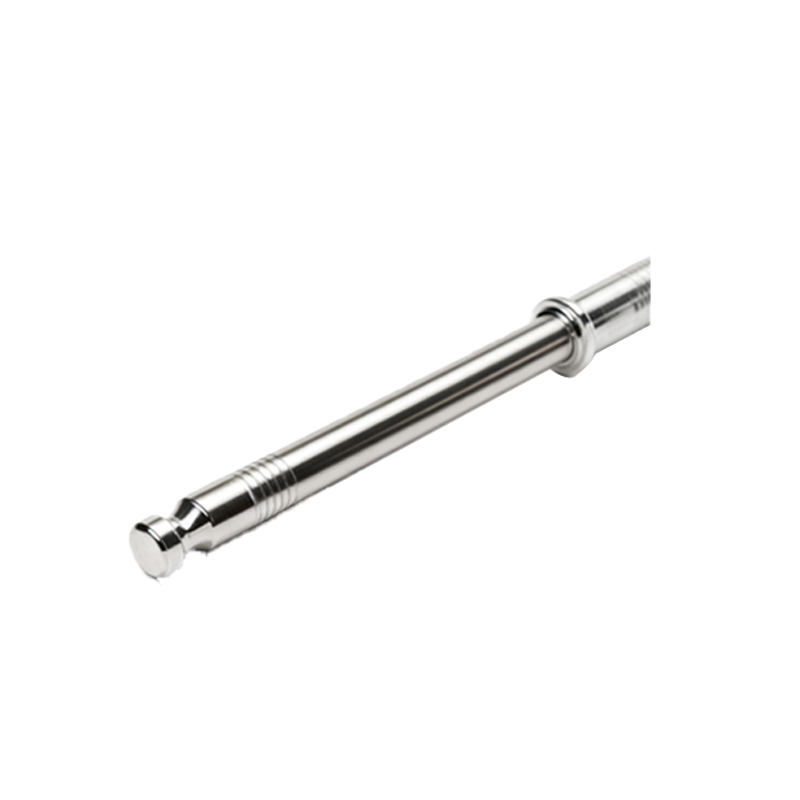
Ultrasonic proximity sensors utilize sound waves beyond human hearing to determine distance. They emit high-frequency pulses and measure the time taken for echoes to return after hitting an object. This time-of-flight calculation allows for precise distance measurement, even for transparent or irregularly shaped items. Ultrasonic sensors are common in parking assistance systems, robotics, and liquid level monitoring. They perform well in challenging conditions like fog or dust but may struggle with soft materials that absorb sound.
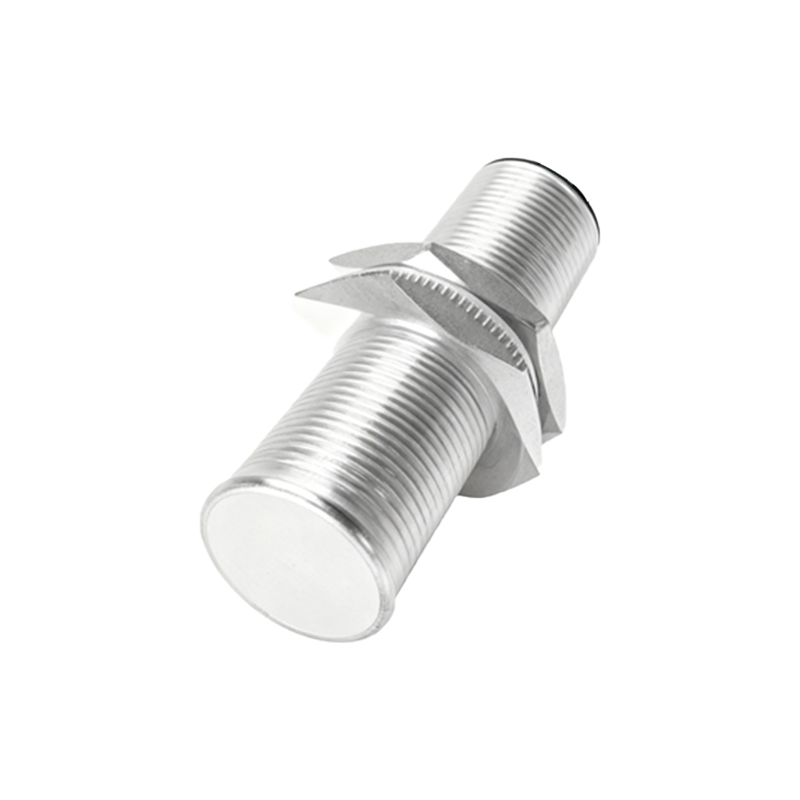
Magnetic proximity sensors, including reed switches and Hall effect sensors, detect magnetic fields. Reed switches consist of ferromagnetic contacts that close when exposed to a magnet, while Hall effect sensors generate voltage in response to magnetic flux changes. These methods are favored for their simplicity, durability, and low power consumption. Applications include position sensing in automotive systems, security devices, and consumer electronics. They are limited to detecting magnetic objects and often have shorter ranges.
Photoelectric proximity sensors rely on light beams, usually infrared, to sense objects. They come in three main configurations: through-beam, retro-reflective, and diffuse. Through-beam sensors have separate emitter and receiver units, offering long ranges and high accuracy. Retro-reflective types use a reflector to bounce light back, suitable for medium distances. Diffuse sensors detect light reflected directly from the target, ideal for close-range applications. Photoelectric sensors are effective for diverse materials but can be affected by ambient light or opaque surfaces.
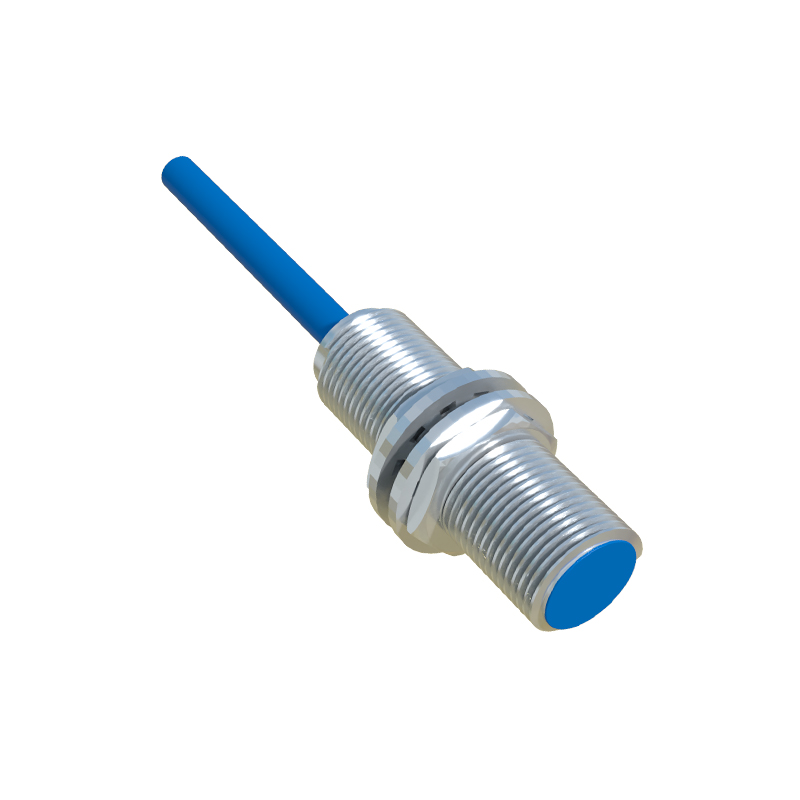
Infrared (IR) proximity sensors, a subset of photoelectric methods, are common in mobile devices for screen control and gesture recognition. They emit IR light and measure the intensity of reflection to gauge proximity. These sensors are compact and energy-efficient but may face interference from other IR sources.
Each method has distinct advantages and limitations. Inductive and capacitive sensors excel in industrial settings, while ultrasonic and photoelectric types offer flexibility for varied materials. Magnetic sensors provide reliability in low-power scenarios. Selection depends on factors like target material, range, environmental conditions, and cost. Proper installation and maintenance, including regular cleaning and calibration, ensure optimal performance. As technology advances, proximity sensors continue to evolve with enhanced sensitivity, miniaturization, and integration with IoT systems, driving innovation across industries from smart homes to autonomous vehicles.