In today's automated and safety-conscious industrial landscape, proximity sensors are the silent, indispensable workhorses. They detect the presence or absence of objects without physical contact, enabling countless processes in manufacturing, packaging, automotive, and robotics. While the core technology—inductive, capacitive, ultrasonic, or photoelectric—is crucial, the brand you choose often determines long-term reliability, support, and total cost of ownership. Selecting a proximity sensor brand is not merely a component purchase; it's a strategic decision impacting your system's uptime and efficiency.
The market is populated by a spectrum of brands, from established global giants to specialized niche players. Major industrial automation conglomerates like Siemens, Rockwell Automation (Allen-Bradley), and Omron offer comprehensive portfolios. Their strength lies in system integration. If your factory floor is already running on a Siemens PLC network, choosing Siemens sensors can simplify communication, diagnostics, and procurement. These brands provide extensive documentation, global technical support, and a promise of consistency across millions of units. However, this often comes at a premium price, and their vast catalogs can be overwhelming for simpler applications.
For many engineers, specialized sensor manufacturers like Pepperl+Fuchs, Sick, or Balluff present a compelling alternative. These companies often focus intensely on sensor technology, pushing boundaries in sensing range, housing materials, and innovative features like IO-Link for advanced diagnostics and parameterization. A brand like Pepperl+Fuchs is renowned for exceptional durability in harsh environments, while Sick is a leader in precise photoelectric solutions. Choosing such a brand means investing in deep application expertise for specific challenges, such as washdown conditions in food & beverage or extreme temperatures in metal forming.
Beyond the technical specifications, several practical factors should guide your brand selection. Availability and lead times are critical for maintaining production. A brand with a robust global distributor network can be a lifesaver during a line stoppage. Consider the ease of replacement and interchangeability. Some brands adhere to standard form factors, allowing for easier substitution in a pinch, while others use proprietary designs that lock you into their ecosystem.
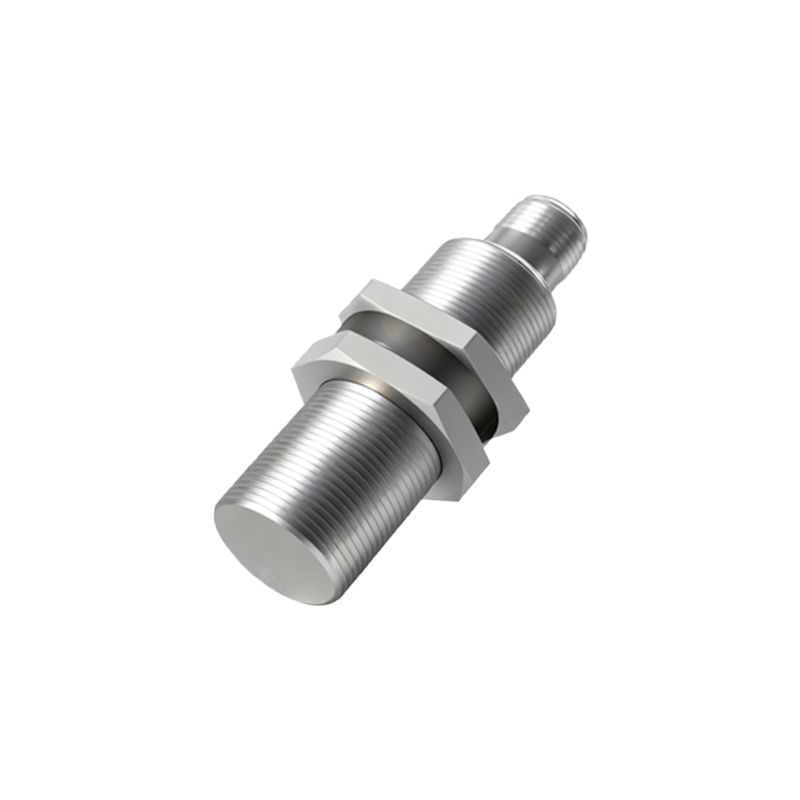
The total cost of ownership (TCO) is a more accurate metric than the initial unit price. A cheaper sensor from an unknown brand might fail prematurely, causing costly downtime, rework, and replacement labor. A reputable brand, even with a higher upfront cost, typically offers greater mean time between failures (MTBF), reducing long-term operational expenses. Furthermore, assess the quality of technical documentation, online configuration tools, and the responsiveness of local sales engineers. A brand that provides clear CAD models, detailed datasheets, and accessible application support saves valuable engineering time.
For standard applications like detecting a metal gear tooth on an assembly line, multiple brands will offer suitable inductive sensors. Here, factors like local distributor relationships and price may dominate. However, for complex or critical applications—such as detecting transparent films on a high-speed packaging machine or ensuring precise positioning in semiconductor fabrication—the specialized expertise of a top-tier sensor brand becomes non-negotiable. Their products are engineered to solve specific problems with high repeatability and resilience.
Ultimately, there is no single "best" brand. The optimal choice is a function of your application's technical demands, environmental conditions, integration needs, and budgetary constraints. Start by rigorously defining your requirements: target material, required sensing distance, environmental exposure (heat, dust, chemicals), output type needed, and required housing style. With these parameters in hand, evaluate brands not just on their datasheet numbers, but on their proven track record in similar applications, their support infrastructure, and their commitment to innovation. A strategic partnership with the right proximity sensor brand is an investment in the smooth, reliable, and intelligent operation of your automated systems for years to come.
