Proximity sensor solutions have become integral to modern industrial automation, consumer electronics, and safety systems. These non-contact sensors detect the presence or absence of objects within a specific range, enabling precise control and monitoring without physical interaction. The core principle involves emitting an electromagnetic field or beam and analyzing changes in the return signal. This technology eliminates mechanical wear, reduces maintenance needs, and enhances reliability in demanding environments.
Various types of proximity sensors cater to diverse applications. Inductive sensors excel in detecting metallic objects, making them ideal for manufacturing assembly lines and robotic arms. Capacitive sensors can identify both metallic and non-metallic materials, including liquids and granules, which is valuable in food processing and packaging industries. Photoelectric sensors use light beams to detect objects over longer distances, commonly applied in conveyor systems and automated warehouses. Ultrasonic sensors rely on sound waves, effectively functioning in dusty or humid conditions where optical methods may fail.
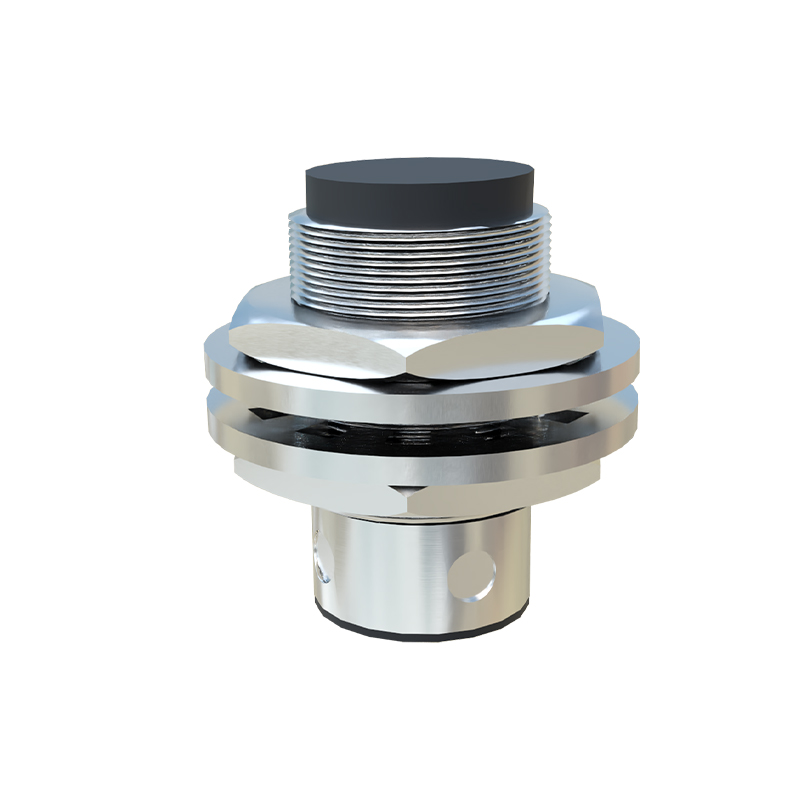
Implementing an effective proximity sensor solution requires careful consideration of several factors. Sensing range, response time, and environmental robustness are critical parameters. For instance, in automotive manufacturing, sensors must operate reliably near welding sparks and metal debris. In consumer devices like smartphones, miniaturized infrared proximity sensors manage screen activation during calls, demanding low power consumption and high sensitivity. Integration with control systems, such as PLCs (Programmable Logic Controllers) or IoT (Internet of Things) platforms, further expands functionality, enabling real-time data analytics and predictive maintenance.
Advancements in sensor technology continue to drive innovation. The development of MEMS (Micro-Electro-Mechanical Systems) has led to smaller, more energy-efficient sensors suitable for portable electronics. Enhanced algorithms improve discrimination between target objects and environmental interference, reducing false triggers. Additionally, the adoption of IO-Link communication protocols allows for smarter sensors that provide diagnostic information, simplifying troubleshooting and calibration.
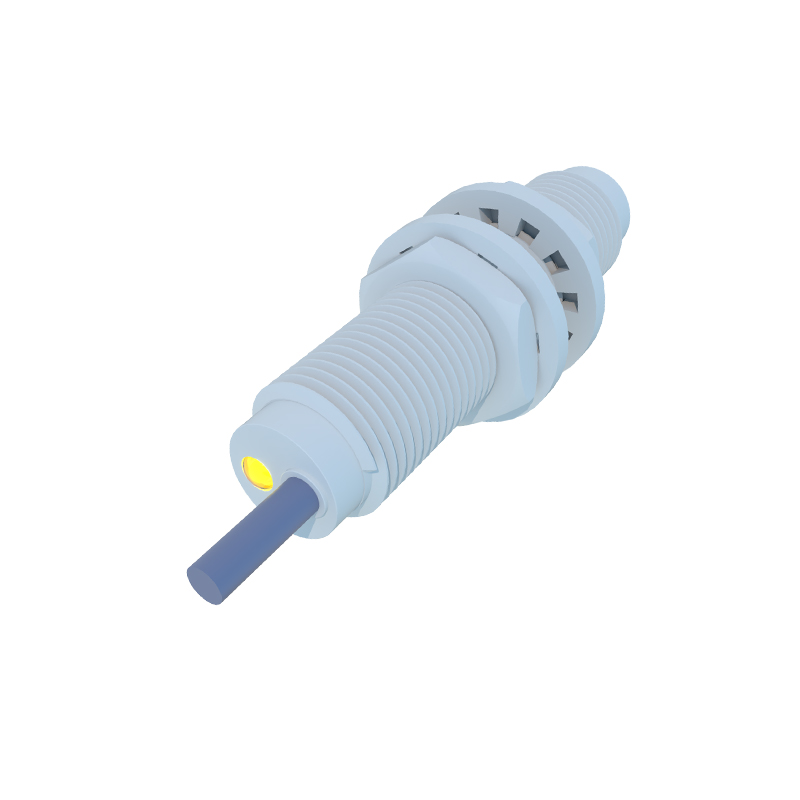
In safety applications, proximity sensors play a crucial role in preventing accidents. Machine guarding systems use these sensors to create protective fields around hazardous equipment, immediately halting operation when an intrusion is detected. In autonomous vehicles, LiDAR and radar proximity systems enable obstacle detection and collision avoidance, contributing to safer transportation.
Selecting the right proximity sensor solution involves balancing technical specifications with cost and scalability. Engineers must assess the operational environment, target material, required accuracy, and integration capabilities. Customized solutions, such as combining multiple sensor types or incorporating wireless connectivity, can address complex challenges in sectors like agriculture, healthcare, and smart infrastructure.
Ultimately, proximity sensor solutions empower industries to achieve higher efficiency, safety, and automation levels. As technology evolves, these sensors will become even more adaptive and intelligent, seamlessly integrating into the interconnected ecosystems of Industry 4.0 and beyond.