In the intricate dance of modern machinery and automated systems, there exists a silent, unseen guardian ensuring precision, safety, and efficiency. This guardian is the proximity position sensor, a fundamental component that has revolutionized how machines perceive and interact with their environment without physical contact. From the assembly lines of automotive giants to the delicate mechanisms inside a smartphone, these sensors are the invisible eyes that guide, measure, and protect.
At its core, a proximity position sensor is a device that detects the presence, absence, or precise distance of a nearby object. Unlike limit switches that require physical touch, proximity sensors perform this task through various non-contact methods. The most common technologies include inductive, capacitive, ultrasonic, and photoelectric sensing. Each type operates on distinct physical principles, making them suitable for specific applications and materials. Inductive sensors, for instance, excel at detecting metallic objects by generating an electromagnetic field. When a metal target enters this field, it induces eddy currents, causing a change in the sensor's oscillation amplitude, which is then converted into a switching signal. This makes them ideal for harsh industrial environments where dirt, oil, or moisture are present. Capacitive sensors, on the other hand, can detect both metallic and non-metallic materials—liquids, plastics, wood—by sensing changes in capacitance caused by the target object altering the sensor's electrostatic field. This versatility finds use in level detection, material handling, and even touch-sensitive interfaces.
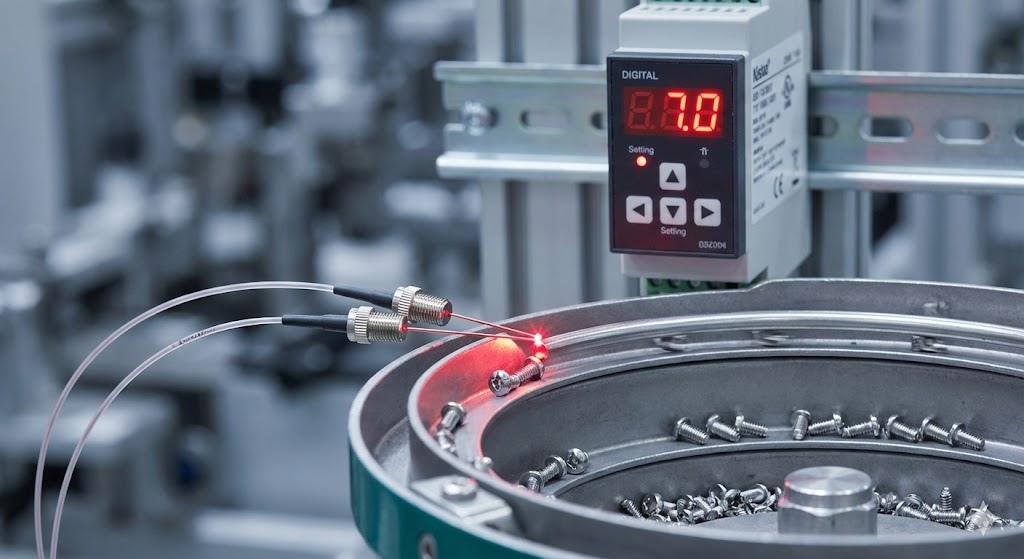
The true power of these sensors lies in their application for precise position feedback. In automated guided vehicles (AGVs), arrays of proximity sensors create a virtual boundary, allowing the vehicle to navigate warehouses by sensing reflective tapes or obstacles with millimeter accuracy. In robotic arms, they provide end-of-arm tooling with the sensitivity to know exactly when a part is gripped or when the arm is approaching a work surface, preventing costly collisions and ensuring repeatable positioning. The manufacturing sector heavily relies on them for tasks like part counting, jam detection in conveyor systems, and verifying the correct placement of components on a circuit board. Beyond heavy industry, their role is equally critical in consumer electronics. The proximity sensor in a smartphone, typically an infrared LED and photodetector pair, turns off the display during a call to prevent accidental screen touches, conserving battery life and enhancing user experience.
Selecting the right proximity sensor requires careful consideration of several factors. The sensing range, or the maximum distance at which the sensor can reliably detect a standard target, is paramount. Environmental conditions are another crucial aspect; sensors must be rated appropriately for temperature extremes, potential washdowns, or exposure to corrosive chemicals. The output type—whether a simple digital on/off signal, an analog voltage/current proportional to distance, or a sophisticated IO-Link digital communication—must match the control system's requirements. Furthermore, the size and form factor of the sensor must fit the often cramped installation spaces in modern machinery.
The evolution of proximity sensing is tightly linked with the rise of Industry 4.0 and the Internet of Things (IoT). Modern sensors are becoming smarter, equipped with self-diagnostic capabilities to predict failures and communicate data directly to centralized control systems. This shift from simple detection devices to intelligent data points enables predictive maintenance, reduces downtime, and allows for more flexible and adaptive production lines. The integration of advanced materials and miniaturization techniques continues to push the boundaries, allowing for sensors that are more robust, accurate, and energy-efficient.
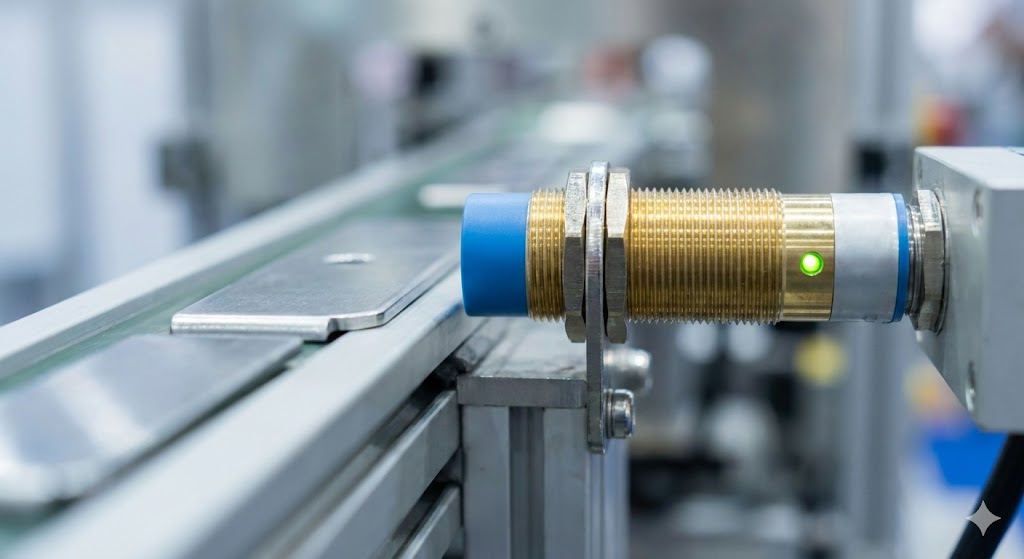
Despite their robustness, proper installation and maintenance are key to longevity. Ensuring a clean sensing face free of debris, maintaining the correct alignment between the sensor and the target, and protecting the sensor from physical damage or electrical noise are standard best practices. Understanding the sensor's blind zone—the area close to the face where detection is not possible—is also critical for accurate positioning applications.
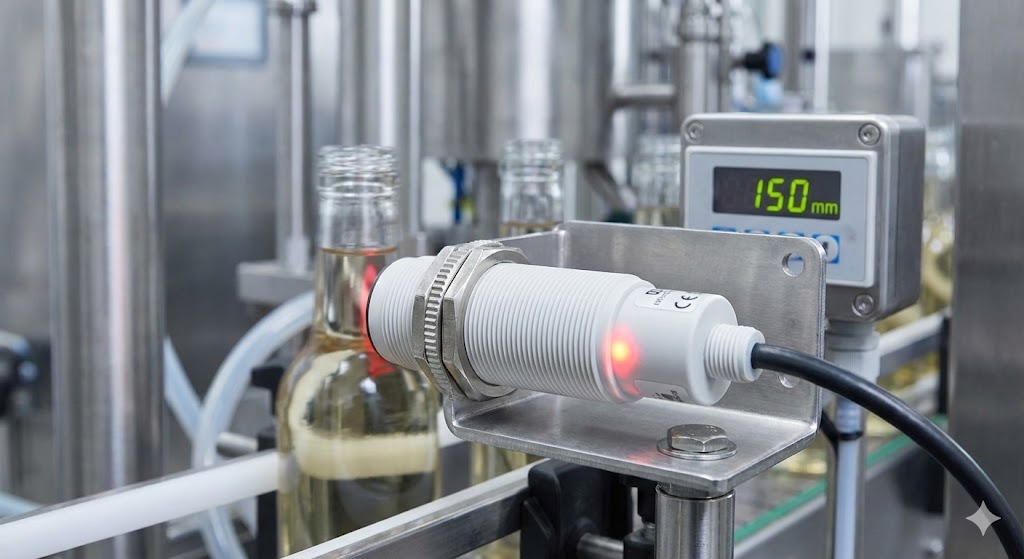
In conclusion, proximity position sensors are far more than simple switches. They are sophisticated transducers that convert physical presence into actionable data, forming the essential sensory layer of automation. Their ability to operate reliably in demanding conditions, provide critical positional feedback, and integrate into smarter industrial networks makes them indispensable. As automation grows more complex and intelligent, the humble proximity sensor will continue to evolve, remaining a cornerstone of precision, safety, and efficiency in an increasingly automated world.