In the intricate world of modern electronics, a small, often unseen component plays a crucial role in enabling intuitive and efficient interactions between devices and their users or environments. This component is the proximity sensor. At its core, the function of a proximity sensor is to detect the presence or absence of nearby objects without any physical contact. This simple yet powerful capability forms the backbone of numerous features we now take for granted in smartphones, industrial machinery, automotive systems, and smart home devices.
The fundamental working principle revolves around emitting an electromagnetic field or a beam of radiation, such as infrared light, and then looking for changes in the field or the return signal. When an object enters the sensor's predefined detection range, it perturbs this field. The sensor's circuitry detects this perturbation and converts it into an electrical signal that can be interpreted by the device's main processor. This entire process happens in milliseconds, allowing for real-time responsiveness.
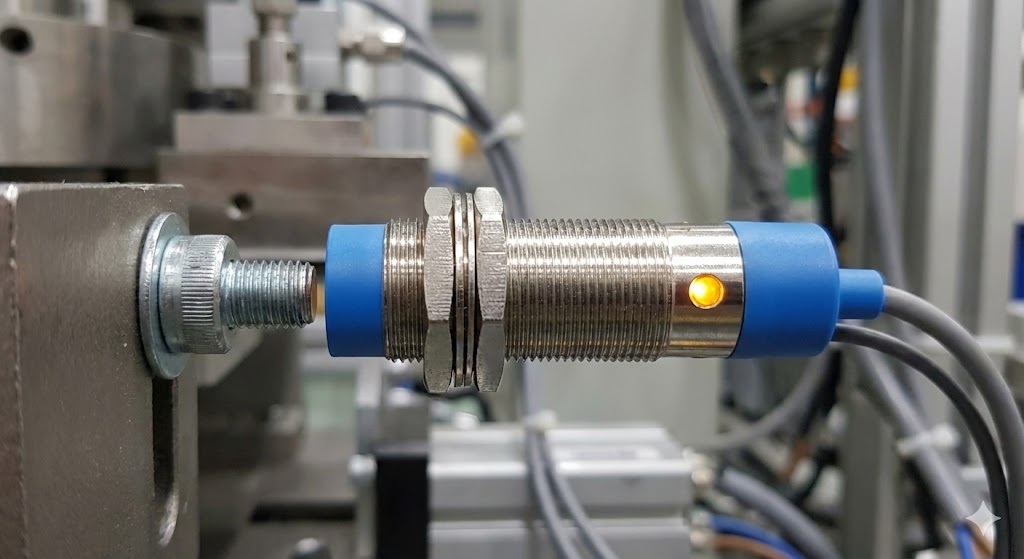
There are several primary types of proximity sensors, each with distinct mechanisms suited for different applications. The most common is the infrared (IR) proximity sensor. Frequently found in smartphones, it emits an infrared beam. When you hold your phone to your ear during a call, the sensor detects your head and signals the screen to turn off, preventing accidental touch inputs. Another prevalent type is the inductive proximity sensor. These sensors generate an oscillating electromagnetic field and are exceptionally effective at detecting metallic objects. They are workhorses in industrial automation, used for tasks like counting metal parts on a conveyor belt or ensuring a robotic arm is correctly positioned.
Capacitive proximity sensors operate by detecting changes in capacitance. They can sense both metallic and non-metallic materials, including liquids and human skin. This makes them ideal for touch-sensitive buttons, liquid level detection in tanks, and safety systems where human presence needs to be monitored. Ultrasonic sensors use sound waves beyond human hearing. They calculate distance by measuring the time it takes for an emitted sound pulse to bounce back from an object. You'll find these in automotive parking assist systems and robotics for obstacle avoidance.
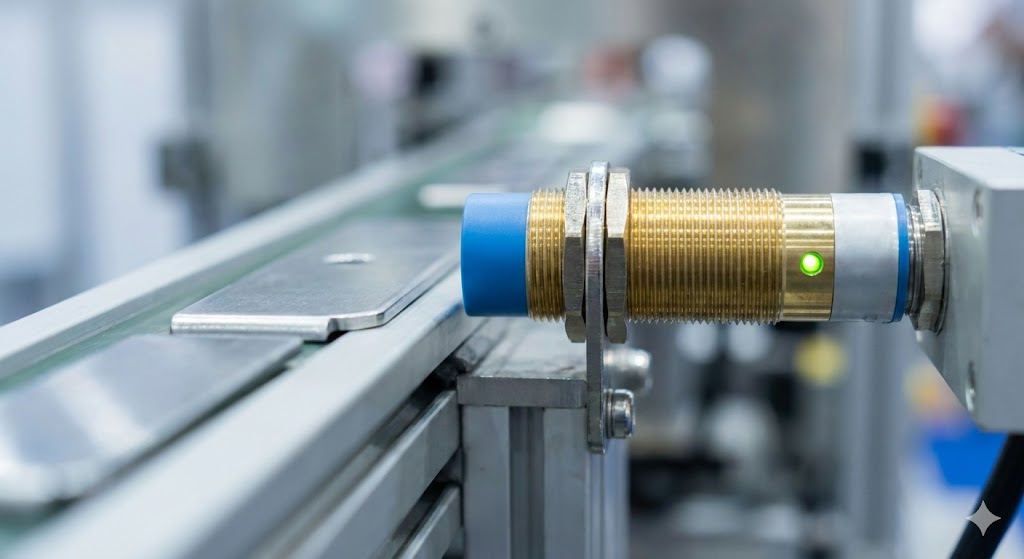
The applications of proximity sensors are vast and continually expanding. In consumer electronics, beyond smartphone screens, they enable features like automatic wake-up when you approach your laptop. In the automotive sector, they are integral to advanced driver-assistance systems (ADAS), providing blind-spot detection and automatic emergency braking. Industrial manufacturing relies heavily on them for precision positioning, object sorting, and ensuring machine safety by creating "virtual guard" zones. In the realm of smart homes, they can trigger lights to turn on as you enter a room or conserve energy by adjusting thermostat settings when no one is present.
The advantages of using proximity sensors are significant. They enhance user experience by enabling touchless control, which is both convenient and hygienic. They improve safety by preventing collisions in machines and vehicles. They contribute to energy efficiency by ensuring devices operate only when needed. Furthermore, their non-contact nature means there is no mechanical wear and tear, leading to higher reliability and longer operational life.
When implementing a proximity sensor, several factors must be considered. The sensing range, which can vary from a few millimeters to several meters, must match the application. Environmental conditions like dust, moisture, or ambient light can affect performance, particularly for optical sensors. The material of the target object is also critical; an inductive sensor will not detect plastic, just as a capacitive sensor may be overly sensitive in humid conditions. The response time, or how quickly the sensor can detect a change, is vital for high-speed applications.
Looking forward, the evolution of proximity sensing technology is intertwined with the growth of the Internet of Things (IoT) and artificial intelligence. Smarter, smaller, and more power-efficient sensors are being developed. Future sensors may incorporate multi-sensor fusion, combining proximity data with inputs from cameras or other sensors to understand context better, enabling more sophisticated and predictive interactions between humans and machines.

In conclusion, the humble proximity sensor is a foundational technology that silently empowers much of the interactivity and automation in our daily lives. Its primary function—to detect nearby objects contactlessly—is a simple concept with profoundly complex and useful implementations. From preventing a smudged smartphone screen to safeguarding factory workers and enabling autonomous vehicles, the proximity sensor remains an indispensable tool in the engineer's arsenal, bridging the gap between the physical and digital worlds.