In the intricate dance of modern automation and smart devices, there exists a silent, unseen sentinel: the proximity sensor. This remarkable piece of technology acts as an invisible eye, detecting the presence or absence of nearby objects without any physical contact. Its applications are vast and integral, seamlessly woven into the fabric of our daily lives and industrial processes. From the smartphone that dims its screen when held to your ear to the sophisticated safety systems in manufacturing plants, proximity sensors are the unsung heroes enabling intuitive and safe interactions.
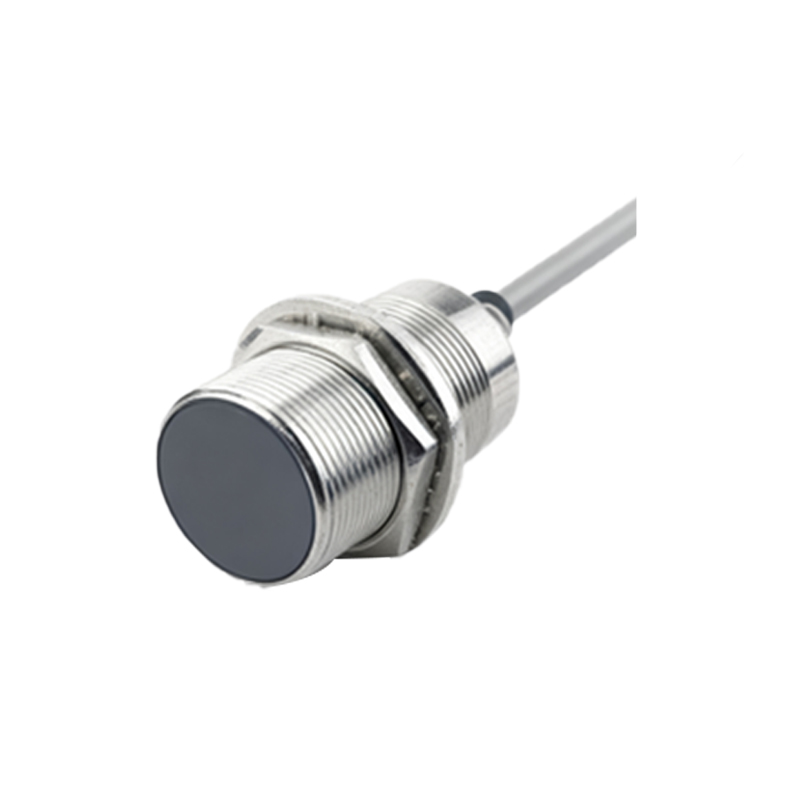
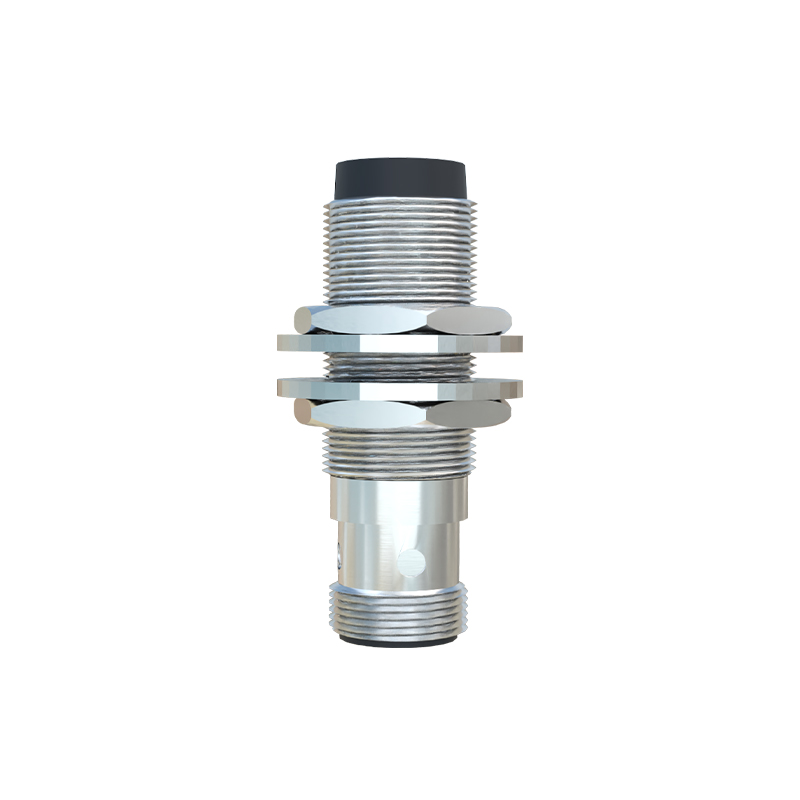
At its core, a proximity sensor works by emitting an electromagnetic field or a beam of radiation, such as infrared light. It then looks for changes in the field or the return signal. The primary types include inductive, capacitive, ultrasonic, and optical (photoelectric) sensors, each with distinct operating principles suited for different materials and environments. Inductive sensors, for instance, are champions in industrial settings, detecting metallic objects with high precision and reliability. They generate an oscillating electromagnetic field, and when a metal object enters this field, it induces eddy currents, causing a detectable change in the sensor's oscillation amplitude. This makes them ideal for counting metal parts on a conveyor belt or ensuring a robotic arm is in the correct position.
Capacitive sensors, on the other hand, can detect both metallic and non-metallic materials, including liquids, powders, and plastics. They function by measuring changes in capacitance. The sensor and the target act as two plates of a capacitor. As an object approaches, it alters the dielectric constant of the space between them, changing the capacitance and triggering the sensor. This versatility finds applications in liquid level detection, material handling, and even touch-sensitive buttons on consumer appliances.
The optical proximity sensor, often using infrared (IR) light, is a familiar presence in consumer electronics. In a smartphone, an IR LED emits a beam of light, and a photodiode measures the intensity of the reflected light. When your face approaches the phone during a call, the sensor detects the proximity and signals the processor to turn off the display, preventing accidental screen presses and saving battery life. Ultrasonic sensors use sound waves beyond human hearing. They calculate distance by measuring the time between emitting a high-frequency pulse and receiving its echo. These are excellent for harsh environments where dust, smoke, or ambient light might interfere with optical sensors, commonly used in parking assist systems and tank level monitoring.
The advantages of proximity sensors are manifold. Their non-contact nature means no mechanical wear and tear, leading to exceptional longevity and minimal maintenance. They offer high switching rates, enabling fast and reliable detection in high-speed automation. Furthermore, their ability to function in challenging conditions—whether it's dirt, oil, or complete darkness—makes them indispensable for industrial automation, robotics, and automotive safety systems. In factories, they ensure machine safety by creating invisible barriers, stopping equipment if a worker gets too close. In automotive applications, they form the backbone of advanced driver-assistance systems (ADAS), enabling features like blind-spot detection and automatic emergency braking.
Looking forward, the evolution of proximity sensing is tightly coupled with the Internet of Things (IoT) and artificial intelligence. Smarter, smaller, and more energy-efficient sensors are being developed. Future sensors will not only detect presence but also classify objects, gauge their composition, or interpret gestures with greater accuracy. This will unlock new levels of interactivity for smart homes, more autonomous robots, and even more refined health monitoring devices. For instance, a sensor in a smart bathroom fixture could detect a person's fall or prolonged inactivity, triggering an alert.
In conclusion, proximity sensors are a foundational technology that bridges the physical and digital worlds. Their silent, reliable operation empowers devices to perceive their immediate surroundings, making technology more responsive, efficient, and safe. As we march toward an increasingly automated and connected future, these invisible eyes will continue to see more, do more, and become even more essential, working tirelessly behind the scenes to create seamless and intelligent experiences.