Developing the source code for a laser displacement sensor involves a deep understanding of optical principles, signal processing, and embedded systems programming. This guide provides a comprehensive overview of the key components and best practices for creating robust and accurate sensor software.
The core functionality of a laser displacement sensor relies on triangulation or time-of-flight measurement. In triangulation-based sensors, a laser diode projects a spot onto the target surface. The reflected light is captured by a CMOS or CCD array at a known angle. The position of the light spot on the detector shifts proportionally to the target's distance. The source code must process this raw image data to calculate the displacement with high precision.
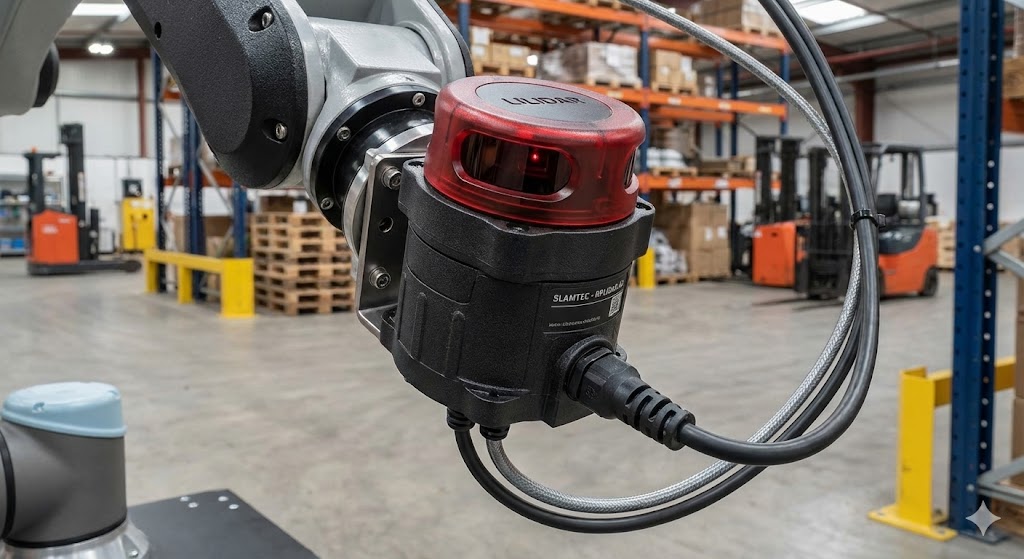
A typical software architecture includes several layers. The firmware layer handles low-level communication with the hardware components, such as controlling the laser driver, configuring the image sensor's exposure and gain, and managing analog-to-digital converters. This is often written in C or C++ for optimal performance on microcontrollers or DSPs. Critical routines, like interrupt service routines for data capture, require efficient and deterministic code.
The signal processing layer is the heart of the application. It filters noise from the captured image, often using algorithms like moving averages, median filters, or more advanced digital filters. The centroid calculation algorithm is crucial for triangulation sensors. It determines the precise center of the laser spot on the detector. The code must implement sub-pixel interpolation techniques to achieve resolutions finer than the physical pixel size of the sensor.
For time-of-flight sensors, the code measures the phase shift or the direct time delay between the emitted and received laser pulse. This involves precise timing functions, often leveraging hardware timers and counters. The calculation of distance from the time or phase data must account for the speed of light and compensate for environmental factors like air temperature.
Data output and communication form another essential module. The processed displacement value must be delivered via standard interfaces like RS-232, RS-485, Ethernet, or industrial protocols such as EtherCAT or PROFINET. The source code should implement robust communication stacks, handle error checking, and provide configurable output rates and data formats.
Calibration routines are vital for accuracy. The source code must include procedures to map raw sensor readings to real-world units (e.g., millimeters or inches). This often involves taking measurements from known reference points and generating a calibration curve or lookup table. The code should allow for field recalibration without requiring full reprogramming.
Error handling and diagnostics are marks of professional-grade software. The code should monitor hardware status (laser power, sensor temperature, supply voltage) and flag issues like out-of-range measurements, poor signal quality, or communication faults. Implementing a debug log that can be accessed via a service interface is highly recommended for maintenance.
Development tools and practices significantly impact quality. Using version control systems like Git is essential. Code should be modular, well-commented, and adhere to coding standards like MISRA C for safety-critical applications. Simulation and testing are crucial; developers often use tools to simulate sensor input data to verify algorithms before hardware integration.
Finally, consider security and update mechanisms, especially for network-connected sensors. The firmware should support secure boot and over-the-air updates with rollback capabilities to ensure long-term system reliability.
Creating source code for a laser displacement sensor is a multidisciplinary challenge. Success depends on meticulous attention to detail in physics, algorithm design, and real-time software engineering, resulting in a sensor that provides reliable, high-precision measurements in industrial automation, quality control, and robotics applications.