The mining industry has long been a cornerstone of global infrastructure and economic development, providing essential raw materials for countless applications. However, the harsh and unpredictable nature of underground environments presents significant challenges, particularly concerning worker safety and operational efficiency. In recent years, technological advancements have ushered in a new era of mining automation and precision, with laser sensors emerging as a critical component in this transformation. These sophisticated devices are fundamentally changing how mines monitor conditions, navigate equipment, and protect personnel.
At its core, a mining laser sensor operates by emitting a focused beam of light—typically from a laser diode—towards a target. The sensor then measures the properties of the reflected light, such as the time it takes to return (Time-of-Flight or ToF principle), phase shift, or triangulation angle. This data is processed to calculate precise distances, detect the presence or absence of objects, map contours, and monitor minute movements or deformations. Unlike traditional mechanical or ultrasonic sensors, laser sensors offer exceptional accuracy, often down to the millimeter level, and are largely unaffected by dust, humidity, and the acoustic noise prevalent in mining shafts.
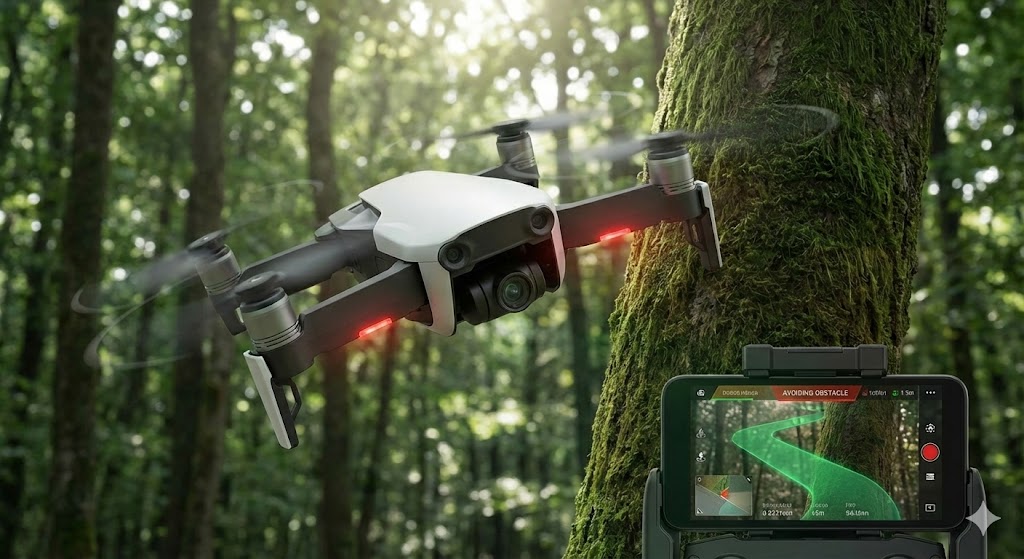
The applications of laser sensor technology in mining are diverse and impactful. One of the primary uses is in proximity detection and collision avoidance systems for heavy machinery. Continuous miners, load-haul-dump (LHD) vehicles, and shuttle cars are equipped with laser scanners that create a 360-degree protective field around the vehicle. If a person or obstacle enters this predefined zone, the system automatically issues warnings and can initiate a controlled slowdown or complete stop, drastically reducing the risk of crushing and impact accidents. This is a vital step towards the goal of zero harm in mining.
Beyond safety, laser sensors are indispensable for precision guidance and automation. In longwall mining, laser alignment systems ensure the shearer and armored face conveyor (AFC) maintain a perfectly straight cutting horizon, maximizing coal recovery and minimizing dilution from surrounding rock. Similarly, laser-guided drilling and bolting rigs can position roof supports with unparalleled accuracy, enhancing the structural integrity of excavated tunnels. For ventilation control, laser-based methane detectors provide real-time, highly sensitive monitoring of gas concentrations, triggering alarms long before levels reach dangerous thresholds.

Another growing application is in geotechnical monitoring and slope stability analysis. By installing fixed laser scanners or using mobile laser mapping systems (LiDAR), engineers can continuously monitor wall movements, roof sag, and pillar deformation in stopes and tunnels. These systems can detect sub-millimeter shifts over time, providing early warning signs of potential rockfalls or collapses. This data allows for proactive ground support measures, preventing catastrophic failures and ensuring the long-term stability of the mine.
The shift towards fully autonomous or remotely operated mines, often termed "mine of the future" concepts, is heavily reliant on laser sensor technology. Autonomous haul trucks and drilling rigs use a combination of laser scanners, cameras, and GPS to navigate complex, GPS-denied underground environments. They build and constantly update high-resolution 3D maps of their surroundings, allowing them to operate efficiently and safely without direct human intervention in hazardous areas. This not only improves safety by removing personnel from the face but also allows for 24/7 operation, boosting productivity.

Despite their robustness, deploying laser sensors in mining is not without challenges. The extreme conditions—including constant vibration, high temperatures, and the omnipresent abrasive dust—demand that sensors are housed in exceptionally durable, sealed enclosures with ingress protection (IP) ratings suitable for the environment. Regular maintenance and calibration are essential to ensure ongoing accuracy. Furthermore, the initial investment in these advanced sensing systems can be significant, though the return on investment through improved safety records, reduced downtime, enhanced resource recovery, and lower insurance premiums is compelling and well-documented.
In conclusion, laser sensors represent a paradigm shift in mining technology. They are no longer mere measuring tools but integral components of an intelligent, data-driven mining ecosystem. By providing precise, real-time data on everything from machine position to ground stability, they form the sensory backbone for safer, more efficient, and more sustainable mining operations. As sensor technology continues to evolve, becoming more compact, energy-efficient, and cost-effective, its integration into all facets of mining will only deepen, solidifying its role as an indispensable ally in conquering the depths of the earth.