In the world of industrial automation, automotive systems, security devices, and countless consumer electronics, a small but mighty component plays a crucial role: the reed sensor. This magnetically actuated switch, known for its simplicity, reliability, and long life, is fundamental for position sensing, liquid level detection, and safety interlocking. As engineers and procurement specialists seek to integrate these components, the choice of brand becomes paramount. The market offers a spectrum, from established global giants to specialized niche manufacturers. Navigating this landscape requires a clear understanding of what differentiates a superior reed sensor brand from the rest.
A primary hallmark of a top-tier reed sensor brand is an unwavering commitment to quality and consistency. This begins with the raw materials—the glass envelope and the ferromagnetic reeds themselves. Premium brands invest in high-purity materials and maintain rigorous control over the hermetic sealing process, which is critical for protecting the internal contacts from environmental contaminants like dust, moisture, and corrosive gases. This directly translates to operational longevity and stable contact resistance over millions of cycles. Brands that cut corners here may offer lower initial costs but risk premature failure in the field, leading to costly downtime and system malfunctions.
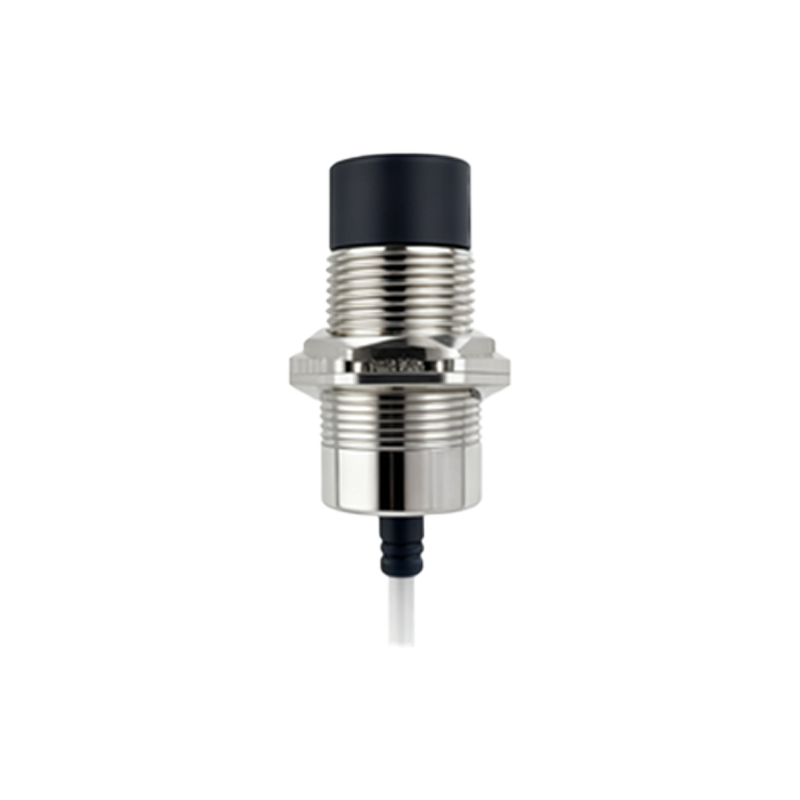
Beyond the basic switch, leading brands distinguish themselves through extensive engineering support and customization capabilities. A quality brand doesn't just sell a catalog part; it provides application engineers who understand magnetic circuits, actuation distances, and environmental challenges. They can tailor parameters such as sensitivity (AT), contact form (Form A, B, or C), switching current and voltage, insulation resistance, and the specific coating of the leads. Whether the requirement is for an ultra-miniature sensor for a medical device, a high-voltage variant for automotive applications, or a low-power version for battery-operated IoT sensors, a reputable brand has the technical depth to develop a solution rather than just offer an off-the-shelf compromise.
Another critical factor is the brand's manufacturing pedigree and certification portfolio. Brands with a long-standing reputation typically operate state-of-the-art production facilities that adhere to international quality standards like ISO 9001 and IATF 16949 for automotive applications. Their products undergo exhaustive testing for parameters including mechanical shock, vibration, temperature extremes (from -40°C to +150°C or beyond), and lifecycle endurance. This rigorous validation process is documented in detailed datasheets, giving designers the confidence to integrate the sensor into their systems. Furthermore, traceability—the ability to track a component back to its production batch—is a service offered by serious manufacturers, which is invaluable for high-reliability industries.
The brand's market focus and product portfolio breadth also offer insights. Some brands have carved a dominant position in specific verticals. For instance, certain European and Japanese brands are renowned for their ultra-high-reliability sensors used in automotive safety systems (e.g., seat belt buckles, brake fluid level sensors). North American brands might be strong in industrial safety interlocks and HVAC controls. Meanwhile, several Asian manufacturers have become leaders in producing cost-optimized, high-volume sensors for consumer appliances and basic industrial controls. A strong brand often has a logical ecosystem, offering not just isolated reed switches but also integrated modules with magnets, actuators, and housings, simplifying the design-in process for customers.
Ultimately, approaching a reed sensor brand is an exercise in balancing performance, reliability, total cost of ownership, and supply chain security. It involves scrutinizing technical documentation, seeking samples for real-world testing, and evaluating the supplier's responsiveness and logistical network. While price is a factor, the intrinsic value lies in a sensor that performs its function invisibly and flawlessly for the entire lifespan of the end product. The most respected brands in this space have built their reputations on this very principle, proving that in the realm of precision sensing, trust is engineered into every glass capsule.