In the ever-evolving landscape of industrial automation and precision measurement, laser sensors have transitioned from high-cost, specialized tools to accessible components integral to modern systems. The quest for "affordable" does not, and should not, equate to a compromise on core performance or reliability. This guide delves into the practical considerations, technological advancements, and key application areas that define today's market for cost-effective laser sensors.
The primary driver behind the increasing affordability of laser sensors is the maturation of core technologies. Advancements in semiconductor laser diodes, photodetectors, and application-specific integrated circuits (ASICs) have dramatically reduced production costs. Modern affordable models typically utilize visible red laser diodes (e.g., 650nm) or Class 2 infrared lasers, which are safe, stable, and inexpensive to manufacture. The signal processing, once requiring bulky and expensive electronics, is now handled by compact, powerful chipsets that offer sophisticated functions like background suppression, peak detection, and programmable logic at a fraction of the historical cost.
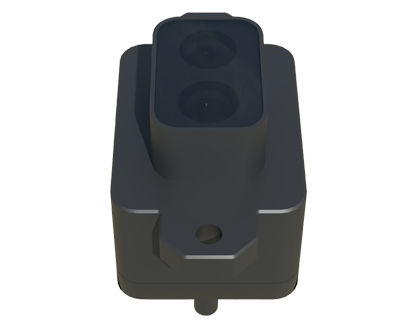
When selecting an affordable laser sensor, engineers must focus on the essential parameters that match their application needs, avoiding the expense of unnecessary premium features. Key specifications to evaluate include:
* Sensing Range and Spot Size: Affordable models are commonly available in standardized ranges (e.g., 50mm, 200mm, 500mm, 1m). Understanding the required working distance and the necessary spot size for the target is crucial. A smaller, more precise spot is ideal for detecting tiny objects or edges.
* Output Type and Connectivity: The most common and cost-effective output is a simple digital switch (PNP/NPN). Analog outputs (0-10V, 4-20mA), which provide continuous distance measurement, are now also available in budget-friendly models, opening doors for positioning applications. Connection styles range from fixed cables to quick-disconnect M8 or M12 connectors, with the latter offering easier maintenance.
* Response Time and Accuracy: For high-speed counting or sorting on a conveyor, a fast response time (e.g., 0.5ms) is critical. For static or slow-moving measurement, standard speeds are sufficient. Accuracy and repeatability are paramount; even affordable sensors should specify these values clearly (e.g., ±0.1mm repeatability).
* Environmental Robustness: A good affordable sensor must withstand industrial environments. Look for ingress protection ratings of at least IP67 (dust-tight and protected against temporary immersion) and robust housing materials like nickel-plated brass or PBT plastic. Operating temperature range is also a key factor.
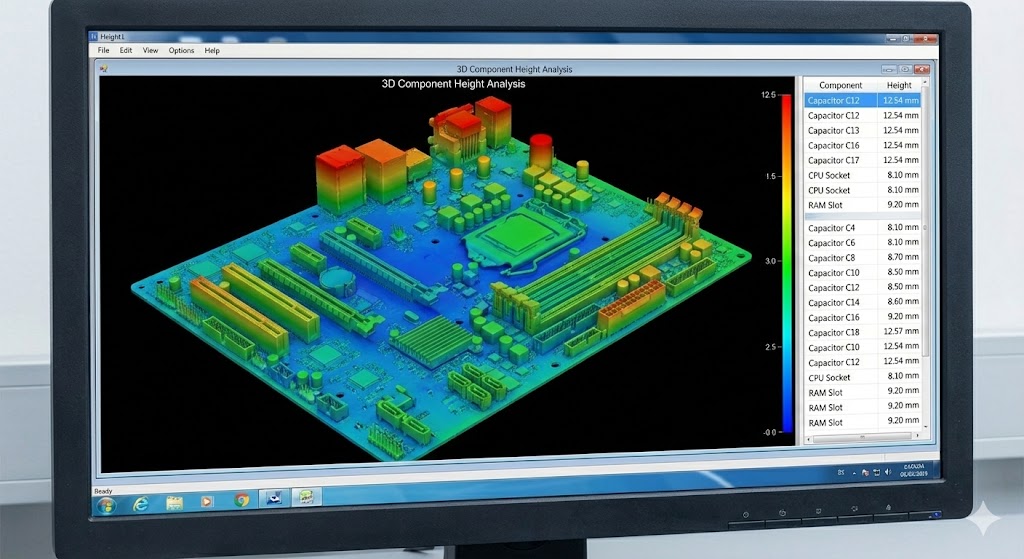
The application spectrum for these sensors is vast. They are workhorses in object detection on assembly lines, ensuring parts are present before a robotic operation. In precision positioning, they control the height of a dispensing head or verify the placement of components on a PCB. Dimension checking for small parts, contour profiling, and transparent object detection (using specialized reflective models) are all achievable. Furthermore, they are increasingly used in collision avoidance for AGVs (Automated Guided Vehicles) and in packaging for fill-level control or label detection.
It is vital to distinguish between a sensibly priced, well-engineered product and a cheaply made imitation. Reputable manufacturers of affordable laser sensors invest in consistent calibration, quality control, and provide clear datasheets with guaranteed specifications. They offer adequate technical support and reasonable warranty periods. The true cost is not just the unit price but the total cost of ownership, which includes reliability, minimal downtime, and ease of integration.
In conclusion, the current market offers a robust selection of laser sensors that deliver exceptional value. By clearly defining application requirements and understanding the technology behind modern, economical designs, engineers and procurement specialists can source sensors that provide laser-precision performance without straining the project budget. The democratization of this technology empowers smaller enterprises and facilitates innovation across all tiers of manufacturing and automation.