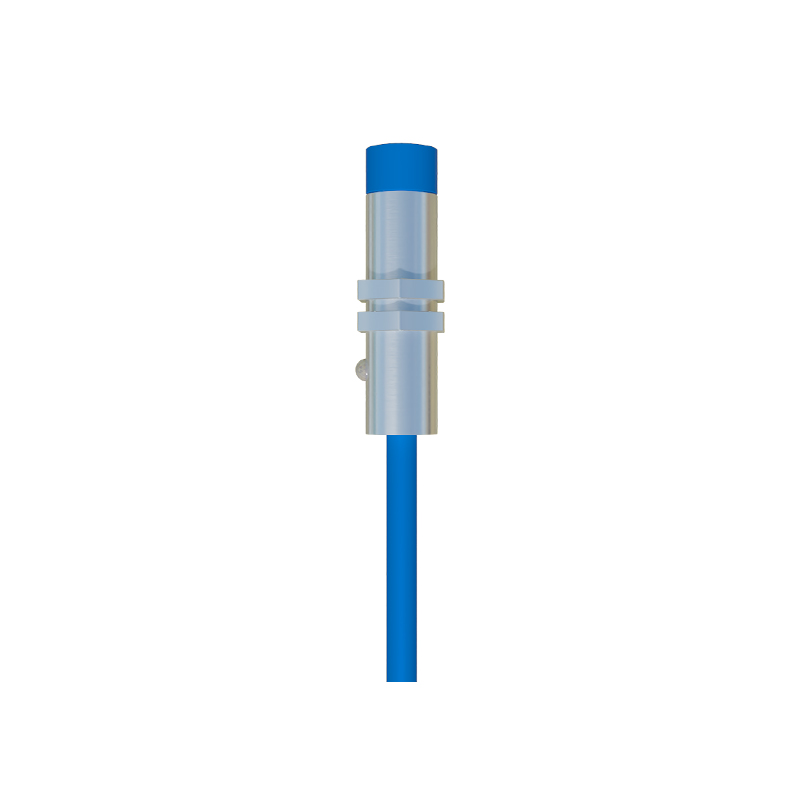
Proximity electromagnetic sensors, often referred to as inductive proximity sensors, are fundamental components in modern industrial automation and control systems. Their primary function is to detect the presence or absence of metallic objects without any physical contact, relying on the principles of electromagnetic induction. This non-contact operation is their most defining characteristic, leading to exceptional reliability, long operational life, and minimal maintenance requirements compared to mechanical limit switches.
The core working principle involves an oscillator circuit that generates a high-frequency electromagnetic field at the active face of the sensor. When a metallic target enters this field, eddy currents are induced on the surface of the target. These eddy currents draw energy from the oscillator, resulting in a measurable change in the oscillation amplitude. This change is detected by a threshold circuit, which subsequently triggers a solid-state output switch. The sensor's sensing distance, a critical parameter, is defined as the maximum distance at which a standard target can be reliably detected. This nominal sensing distance (Sn) is typically specified for a mild steel target of a defined size and shape. It's crucial to note that the effective sensing distance can vary with different metals; for instance, factors are applied for stainless steel (approx. 0.7-0.9 x Sn) or aluminum (approx. 0.3-0.5 x Sn) due to differences in conductivity and permeability.
Several key characteristics define the performance and suitability of these sensors for specific applications. First is the hysteresis feature. To prevent output chatter when a target is positioned exactly at the sensing point, the switch-off point is set at a distance slightly greater than the switch-on point. This built-in differential ensures stable, bounce-free switching. Response frequency is another vital specification, indicating how many switching cycles per second the sensor can handle. High-speed applications, such as counting small parts on a fast conveyor, require sensors with high response frequencies. Temperature stability is paramount in harsh environments. Quality sensors are designed to maintain their sensing characteristics across a wide temperature range, typically from -25°C to +70°C, with specialized variants for more extreme conditions.
The output configuration is a major selection criterion. Sensors are available in various types: NPN (sinking) or PNP (sourcing) transistor outputs, which are standard for DC models, and AC/DC two-wire versions. NPN and PNP outputs offer fast switching speeds and are compatible with programmable logic controllers (PLCs). The housing material and design contribute to durability. Common housings are made of nickel-plated brass, stainless steel, or ruggedized plastics like PBT, offering resistance to chemicals, coolants, and physical impact. Many sensors feature LED status indicators for easy diagnostics. Furthermore, shielding is a critical design aspect. Shielded (flush-mountable) sensors allow for side-by-side installation without mutual interference and can be embedded in metal, while unshielded (non-flush) types offer a longer sensing range but require clearance from surrounding metal.
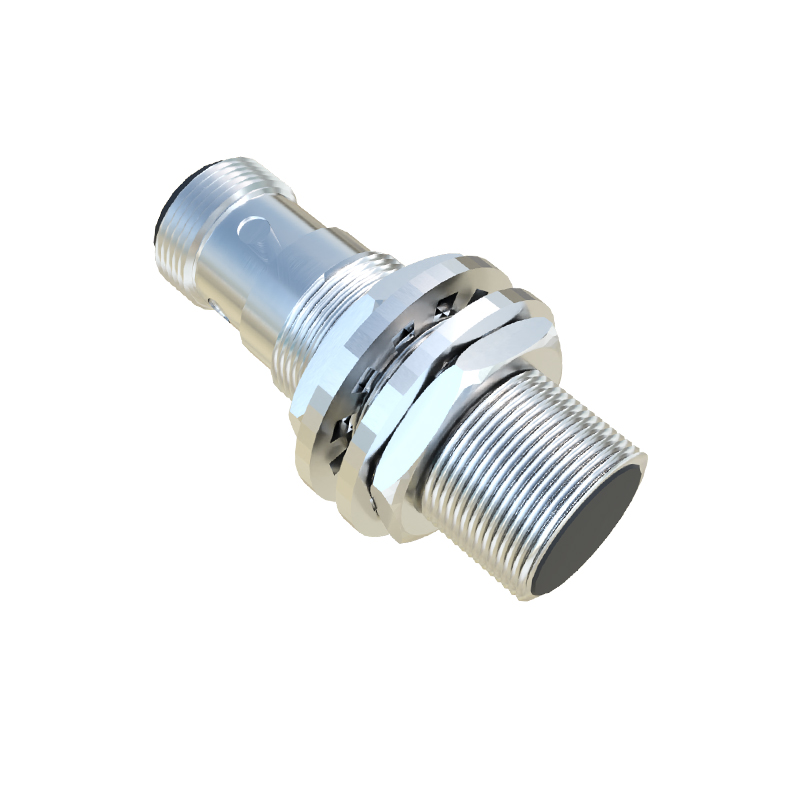
In practical application, proper installation and environmental considerations are essential. Factors such as mutual interference between adjacent sensors, the effects of external magnetic fields, and the presence of conductive dust or chips must be accounted for. For instance, in machining centers, sensors must be resistant to cutting fluids and metallic swarf. Advanced models incorporate short-circuit protection, reverse polarity protection, and surge suppression to enhance system robustness.
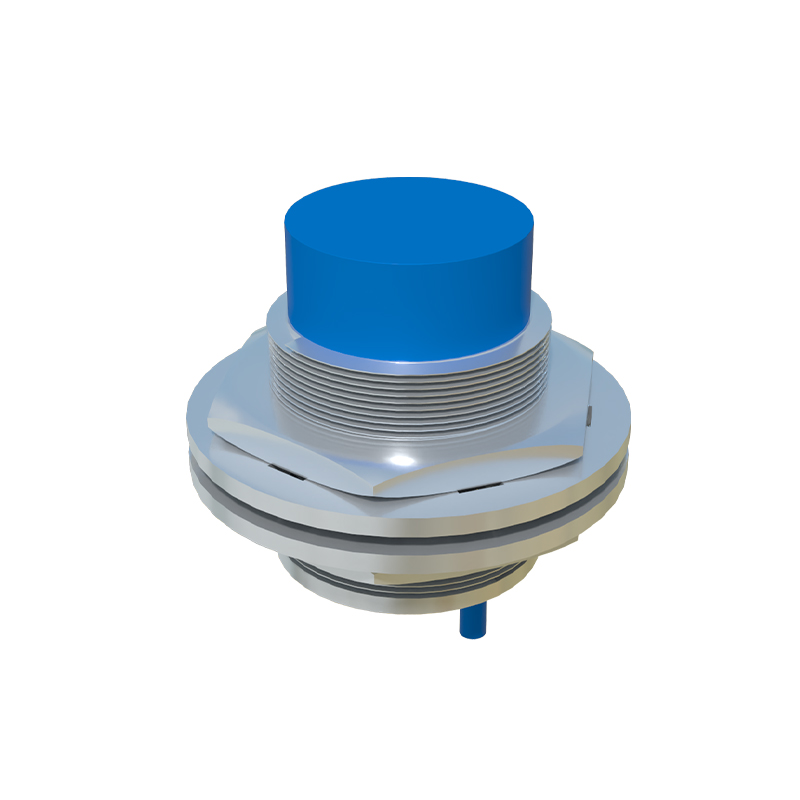
The evolution of proximity sensors continues with miniaturization, the integration of IO-Link for digital communication and parameterization, and the development of specialized variants for welding immunity (able to withstand the high electromagnetic interference from spot welders) and extended temperature ranges. Their inherent characteristics—non-contact sensing, insensitivity to surface conditions like dirt or oil, high-speed operation, and robust construction—solidify their indispensable role in applications ranging from simple position detection and end-of-travel limits to complex robotic guidance, high-speed counting, and automated assembly processes. Understanding these detailed characteristics allows engineers to select the optimal sensor, ensuring system reliability, efficiency, and longevity in demanding industrial environments.