In the competitive landscape of industrial automation, the circular proximity sensor stands as a fundamental component for non-contact object detection. A common inquiry from procurement specialists, system integrators, and OEMs revolves around its factory price. Understanding the factors that determine this cost is crucial for making informed purchasing decisions and optimizing project budgets. Unlike a simple commodity, the price of a circular proximity sensor is not a fixed number but a variable influenced by a complex interplay of technical specifications, manufacturing processes, and market dynamics.
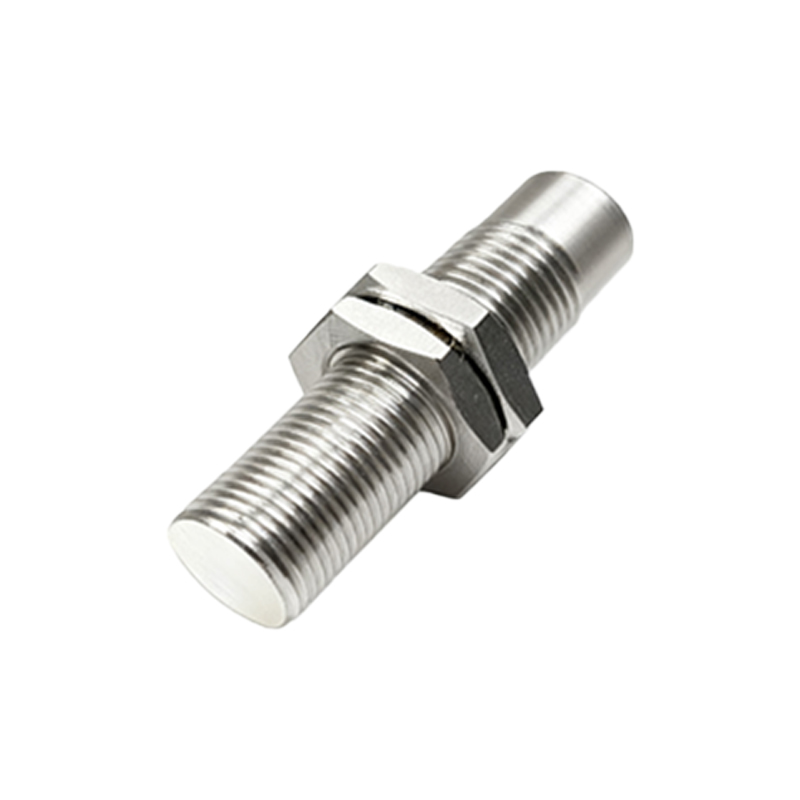
At the core of the pricing structure are the sensor's technical attributes. The sensing range is a primary determinant; a standard 5mm range inductive sensor will naturally carry a lower factory price than a specialized model with a 20mm or 30mm range. The type of sensing technology—inductive, capacitive, or ultrasonic—also significantly impacts cost. Inductive sensors, detecting metallic objects, are generally the most cost-effective for standard metal detection applications. Capacitive sensors, capable of detecting non-metallic materials, and ultrasonic sensors, offering longer ranges and liquid level sensing, involve more complex electronics and thus command a higher price point. Furthermore, the housing material plays a role. Standard nickel-plated brass or PBT housings are economical, while sensors designed for harsh environments with stainless steel (e.g., V4A/AISI 316L) or specialized chemical-resistant coatings incur higher material and machining costs.
Output configuration is another critical factor. Basic two-wire DC sensors are typically less expensive than three-wire or four-wire models offering discrete NPN/PNP outputs. Sensors with analog current (4-20mA) or voltage (0-10V) outputs, or those with IO-Link digital communication for advanced diagnostics and parameterization, incorporate more sophisticated circuitry, elevating the factory price. The level of protection, denoted by IP (Ingress Protection) and NEMA ratings, directly correlates with cost. A sensor rated IP67, suitable for washdown environments, requires more rigorous sealing techniques than one rated IP65. Similarly, models certified for use in hazardous areas (ATEX, IECEx) undergo stringent testing and certification processes, adding a substantial premium.
Manufacturing scale and supply chain efficiency are the invisible engines behind pricing. Large-scale production runs allow manufacturers to amortize fixed costs like tooling, R&D, and certification over a greater number of units, reducing the per-unit cost. Established brands with vertically integrated manufacturing and robust global supply chains can often achieve economies of scale that smaller niche producers cannot, though they may also include a brand-value premium. Conversely, customizations—such as special cable lengths, connectors, or unique housing dimensions—disrupt standard production flows and lead to higher prices.
The broader market context cannot be ignored. Fluctuations in the prices of raw materials like copper, nickel, plastics, and semiconductor chips directly affect the bill of materials. Global logistics costs and regional trade policies also introduce variability. Furthermore, the competitive landscape exerts pressure. The presence of numerous reputable manufacturers and distributors creates a market where prices are continually benchmarked, often leading to competitive pricing for standard models while specialized sensors retain higher margins.
Therefore, when evaluating the factory price of a circular proximity sensor, it is imperative to move beyond a simple price tag. A comprehensive cost analysis should consider the total cost of ownership. This includes not only the initial purchase price but also factors like reliability (minimizing downtime), longevity in the intended environment, compatibility with existing systems, and the availability of technical support and warranty. A slightly higher-priced sensor from a reliable supplier that ensures years of trouble-free operation often proves more economical than a cheaper alternative that fails prematurely and causes production stoppages.
In conclusion, the factory price of a circular proximity sensor is a synthesis of its technical DNA, manufacturing pedigree, and market environment. By thoroughly defining application requirements—required sensing distance, target material, environmental conditions, output signal, and necessary certifications—buyers can engage with suppliers more effectively. This enables them to source a sensor that offers the optimal balance of performance, durability, and cost, ensuring both operational efficiency and long-term value for their automation investments.