In the rapidly evolving landscape of industrial automation and smart device design, the demand for miniaturization is relentless. Among the critical components driving this trend are small proximity switch sensors. These compact devices, often no larger than a fingernail, have revolutionized how machines detect, measure, and interact with objects without physical contact. Their small size belies their significant impact, enabling sophisticated functionality in spaces where traditional sensors simply cannot fit.
The core principle of a proximity sensor remains unchanged regardless of its dimensions: it emits an electromagnetic field or a beam of radiation and looks for changes in the field or return signal. The "switch" aspect refers to its ability to output a discrete signal—on or off—when an object enters its detection range. The miniaturization of these sensors involves advanced engineering in coil design, integrated circuit packaging, and material science. Modern small proximity sensors primarily utilize inductive, capacitive, or photoelectric technologies. Inductive sensors, perfect for detecting metals, now come in cylindrical housings as small as M3 (3mm in diameter). Capacitive sensors, capable of sensing both metallic and non-metallic materials like liquids or plastics, have also seen dramatic size reductions. Photoelectric sensors, using infrared or laser light, are now available in ultra-compact housings for precise positioning tasks.
The advantages of these diminutive sensors are manifold. First and foremost is space savings. They can be installed directly onto circuit boards, embedded into robotic grippers, or mounted in the tight confines of assembly machinery, allowing for more streamlined and dense equipment designs. This leads to the second major benefit: enabling new applications. From the delicate arms of surgical robots requiring precise tool detection to consumer electronics like smartphones and tablets where they manage screen on/off functions during calls, small proximity sensors are indispensable. In automotive manufacturing, they monitor minute component positions; in packaging lines, they count tiny pills or verify cap placement on small vials.
Furthermore, their small size often correlates with reduced power consumption, a critical factor for battery-operated portable devices and large-scale industrial systems aiming for energy efficiency. Despite their compact form, engineers have made great strides in maintaining or even improving performance metrics such as sensing distance, repeat accuracy, response speed, and environmental robustness. Many models now offer similar sensing ranges to their larger predecessors while providing superior resistance to vibration, temperature fluctuations, and electrical noise.
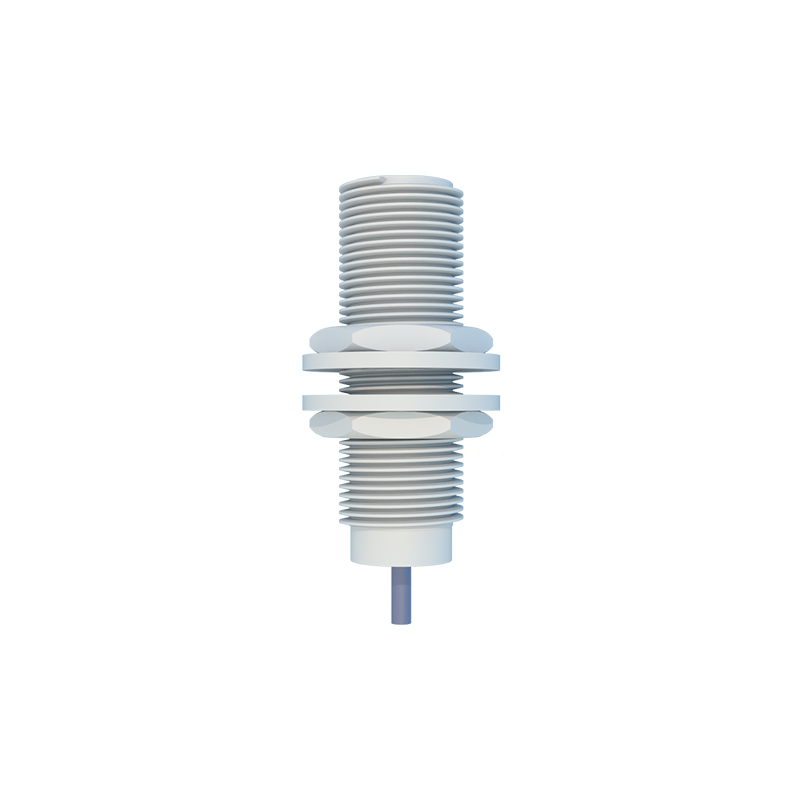
Selecting the right small proximity sensor requires careful consideration of several factors. The target material dictates the technology choice—inductive for metals, capacitive for a broader range. The required sensing distance, or "switching distance," must be specified, remembering that miniaturized sensors typically have shorter ranges, often from 0.5mm to 5mm. The electrical output type (PNP/NPN, NO/NC) must match the control system's input card. Environmental conditions are crucial; many compact sensors are now rated IP67 or higher, making them resistant to dust and temporary immersion, suitable for harsh washdown environments in food and beverage processing.
Installation and integration present unique challenges with small sensors. Precise mechanical alignment is paramount due to their limited detection zones. Designers must account for mounting constraints, ensuring the sensor body and its connector do not interfere with moving parts. The trend is toward connectorless designs or micro-connectors that further save space. Thankfully, advancements in ASIC (Application-Specific Integrated Circuit) technology allow for built-in diagnostics and programmability, simplifying setup and troubleshooting even in hard-to-reach locations.
Looking ahead, the trajectory for small proximity switch sensors points toward even greater integration and intelligence. The convergence with IO-Link and other industrial communication protocols is turning these simple switches into smart devices that can report their health, operating parameters, and even predictive maintenance data. This "Industry 4.0" readiness, packed into a miniature housing, ensures their continued relevance. Materials like PBT and stainless steel housings ensure durability, while innovations in sensing elements push the boundaries of what can be detected at a microscopic scale.
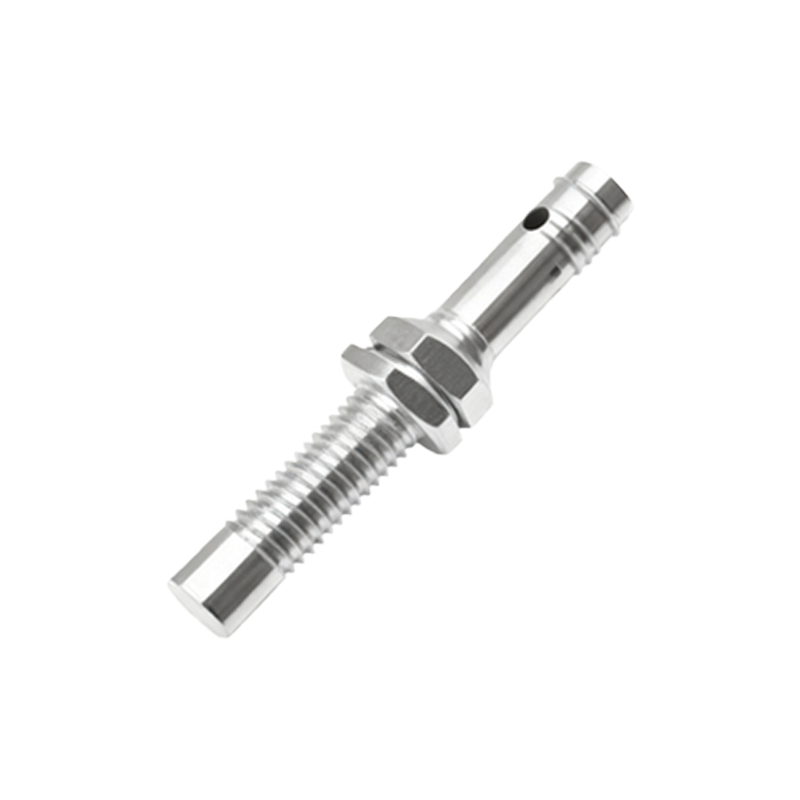
In conclusion, small proximity switch sensors are far more than just shrunken versions of standard models. They are enablers of innovation, allowing engineers to conceive and build more compact, efficient, and intelligent automated systems. From high-speed factory floors to the consumer products we use daily, these tiny sentinels work silently and reliably, proving that in the world of automation, great capability indeed comes in small packages. Their ongoing development will continue to be a key driver in the miniaturization and advancement of technology across all sectors.