In the demanding and hazardous environment of modern mining operations, safety and efficiency are paramount. Proximity sensors play a critical, often unseen role in achieving these goals. These devices detect the presence or absence of nearby objects without physical contact, triggering vital actions in machinery control, collision avoidance, and process automation. Unlike standard industrial sensors, mining proximity sensors are engineered to withstand extreme conditions, including intense vibration, high levels of dust and moisture, corrosive atmospheres, and potential impacts. This guide provides a detailed overview of the common types, key models, and selection criteria for proximity sensors specifically designed for mining applications.
The operational principle of a proximity sensor is based on generating an electromagnetic field or beam. When a metallic or sometimes non-metallic target enters this field, it causes a change in the oscillation amplitude or beam reflection. This change is detected by the sensor's circuitry, which then switches its output signal. This non-contact method is ideal for mining, where reliability and longevity are crucial, as it eliminates wear and tear from mechanical switches.
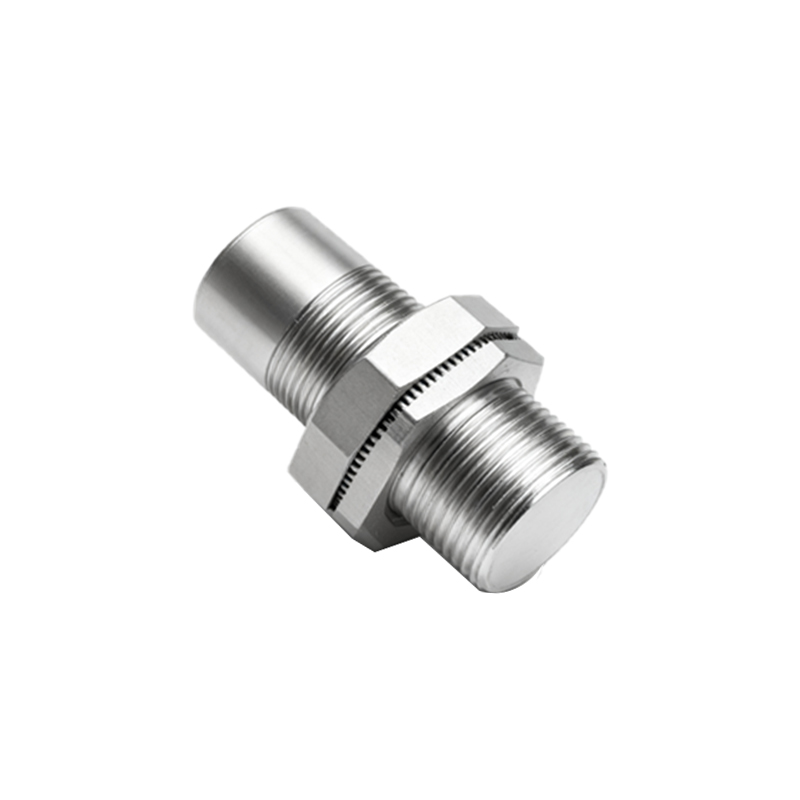
Several core technologies are employed in mining-grade proximity sensors, each with distinct advantages. Inductive proximity sensors are the most common for detecting metallic objects, such as buckets, drill heads, or conveyor components. They generate an oscillating electromagnetic field. When a ferrous or non-ferrous metal target enters this field, it induces eddy currents, causing a detectable change. Models like the Turck BI10-M30-AP6X-H1141 are renowned for their robust metal housing, extended sensing ranges (up to 40mm for larger models), and resilience in dusty, wet environments. They are frequently used on excavators, crushers, and along material handling lines to monitor the position of machinery parts.

Capacitive proximity sensors can detect both metallic and non-metallic materials, such as ores, coal, wood, or liquids. They work by measuring changes in capacitance caused by a target entering the electrical field of the sensor's face. A model such as the Sick MT18-8P6100 is designed with this versatility in mind, often used in level detection for bins or silos containing mined materials, or to monitor the presence of bulk solids on a conveyor belt where the material itself is the target.
Ultrasonic sensors use sound waves beyond human hearing to detect objects and measure distance. They are effective for larger ranges and can detect objects of virtually any material, regardless of color or transparency. In mining, they are invaluable for tasks like measuring the fill level in large ore trucks or monitoring stockpile volumes. The Pepperl+Fuchs UC5000-30GM-IU-V15 series, for example, offers robust sensing capabilities up to several meters, with housing resistant to harsh wash-downs and corrosive atmospheres found in processing plants.
Photoelectric sensors, which use a light beam (usually infrared LED or laser), are excellent for long-range detection and precise positioning. Through-beam models have a separate transmitter and receiver, creating a very reliable "beam break" detection system for safety curtains on access gates or checking for oversized rocks on conveyors. Retro-reflective and diffuse models are also used. A model like the Banner Q45 series is built with heavy-duty housings and powerful optics to penetrate dust and mist, commonly deployed for jam detection or counting on high-speed sorting lines.
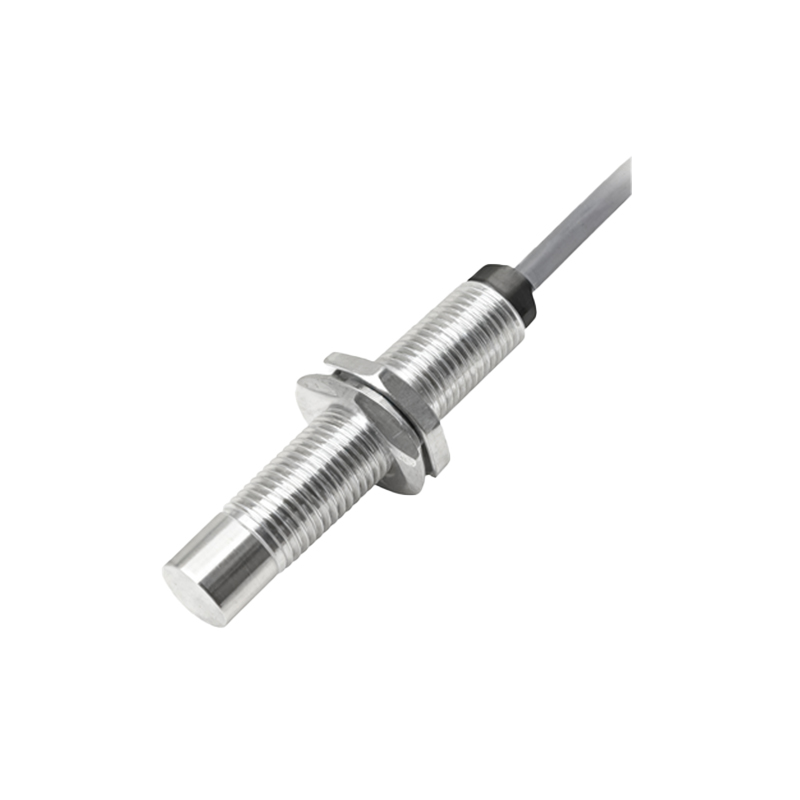
When selecting a model for a mining application, several factors beyond technology are critical. The Ingress Protection (IP) rating is essential; a rating of IP67 or IP69K is typically a minimum, ensuring protection against dust ingress and high-pressure water jets. The housing material, often nickel-plated brass or stainless steel, must resist corrosion from chemicals and abrasion from rock dust. Operating temperature range must suit both underground cold and surface heat. Electrical output (PNP/NPN, analog, or IO-Link) must be compatible with the existing control system, such as a PLC. Finally, certifications like ATEX or IECEx for explosive atmospheres are mandatory for use in underground coal mines or areas with combustible dust.
Proper installation and maintenance are key to sensor longevity. Sensors should be mounted securely to minimize vibration effects. The sensing face should be kept clean from mud and debris buildup, which can reduce effective range. Regular functional checks should be part of the preventative maintenance schedule to ensure the entire safety and control system operates as intended.
In conclusion, the right proximity sensor model is not a generic component but a carefully selected piece of engineered safety and reliability. From inductive sensors monitoring metal components on a continuous miner to ultrasonic sensors managing stockpile inventory, each type serves a vital function. Understanding the specific demands of the application—target material, environmental harshness, required sensing distance, and necessary certifications—is the first step in choosing a model that will deliver years of dependable service, protecting both personnel and