In the realm of industrial automation, the reliability and precision of sensing technology are paramount. Among the various types of proximity sensors, inductive models stand out for their robustness in detecting metallic objects without physical contact. This article delves into the specifics of a widely adopted model, the LJ12A3-4-Z/BX inductive proximity sensor, exploring its technical parameters, operational principles, and typical use cases in demanding environments.
The LJ12A3-4-Z/BX is a cylindrical, shielded inductive proximity sensor with a nominal sensing distance of 4mm. Its compact design, typically 12mm in diameter, allows for easy installation in space-constrained applications. The sensor operates on a DC voltage range, commonly 6-36V DC, making it compatible with standard industrial power supplies. The output configuration is typically a 3-wire system, providing either a PNP (sourcing) or NPN (sinking) transistor switch output, which interfaces seamlessly with Programmable Logic Controllers (PLCs), counters, and other control systems. The "BX" suffix often denotes specific connector or cable outlet styles, which users must verify with the manufacturer's datasheet for exact specifications.
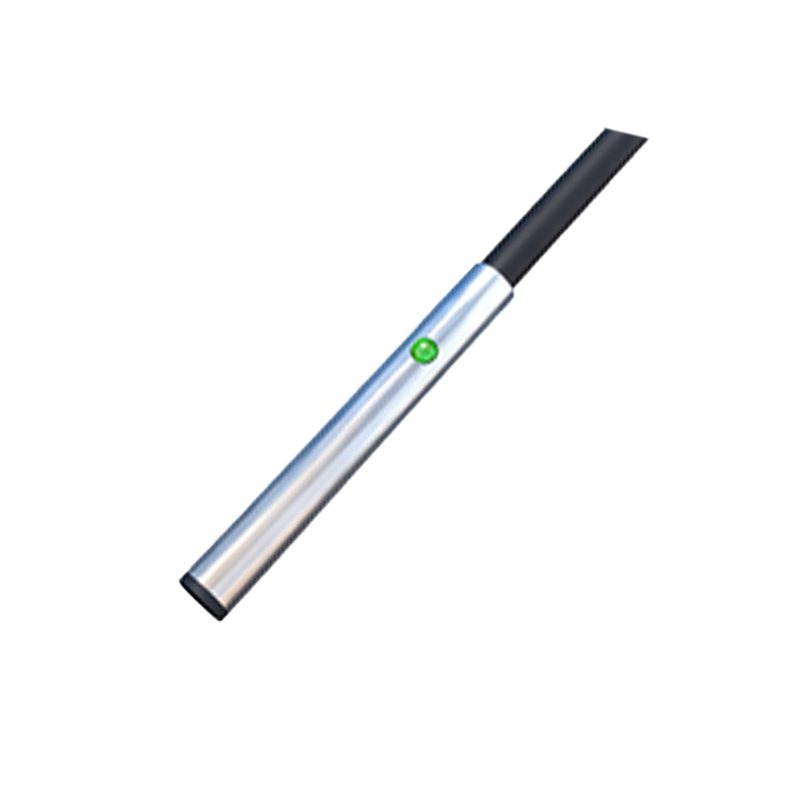
The core operating principle is based on electromagnetic induction. The sensor generates a high-frequency oscillating electromagnetic field from its active face. When a ferrous or non-ferrous metal target enters this field, eddy currents are induced on the target's surface. This causes a change in the oscillation amplitude within the sensor's coil, which is detected by the internal circuitry. The circuit then triggers a state change in the output transistor, signaling the presence of the object. A key advantage of this technology is its immunity to environmental factors like dust, oil, and moisture (provided it has an adequate IP rating, such as IP67), ensuring stable performance in harsh conditions like machine tools, assembly lines, and packaging machinery.
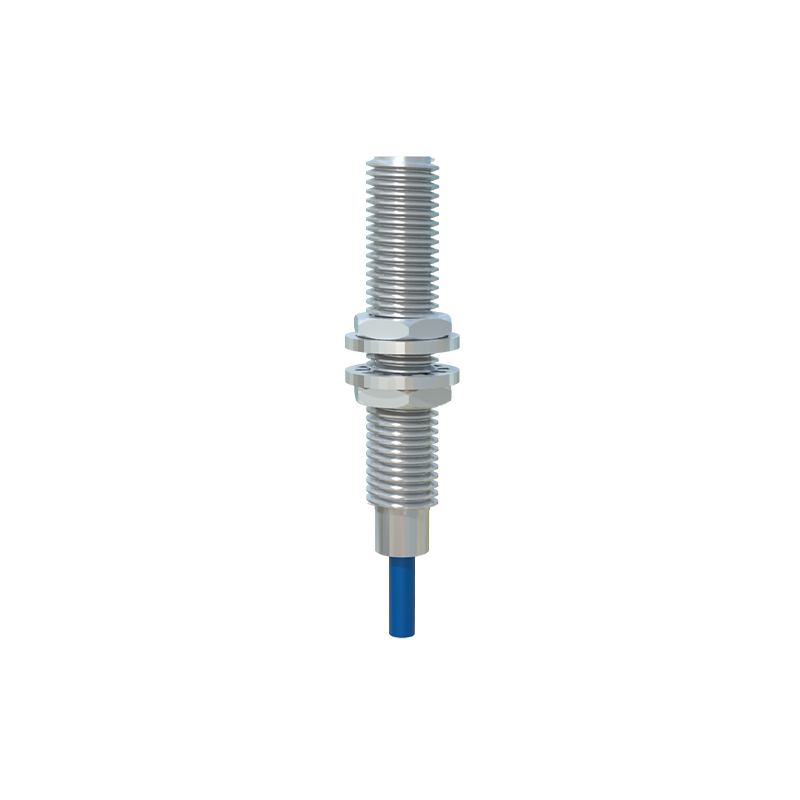
Technical specifications are critical for proper selection. For the LJ12A3-4-Z/BX, the rated operating distance is 4mm, but engineers must consider the "effective" or "assured" operating distance, which accounts for manufacturing tolerances and temperature variations. The hysteresis, the difference between the switch-on and switch-off points, is typically 10-20% of the sensing distance, preventing chatter when a target is at the borderline. Its switching frequency can reach up to 1kHz, allowing it to detect fast-moving objects on conveyor belts. The housing is usually made of nickel-plated brass or stainless steel, offering excellent mechanical strength and corrosion resistance.
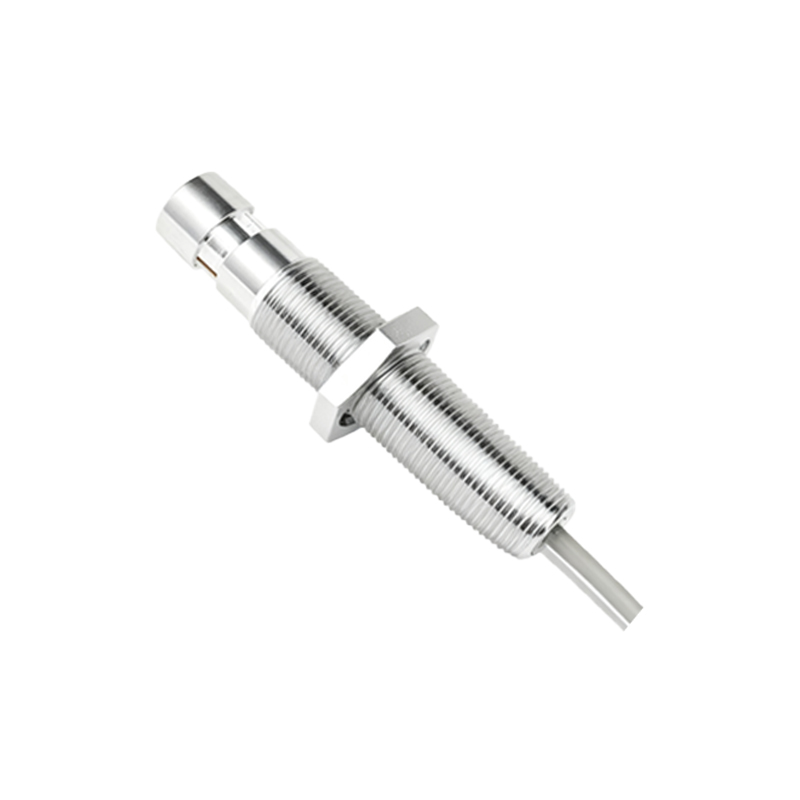
In practical applications, this sensor model excels in numerous tasks. It is frequently used for position detection, such as verifying if a cylinder has reached its end stroke or if a metal part is correctly seated in a fixture. It serves as a vital component in counting metallic products on a high-speed line. Furthermore, it can act as a safety interlock by confirming the closure of a metal guard door. When integrating the LJ12A3-4-Z/BX, attention must be paid to mounting. Being a shielded (flush-mountable) type, it can be installed flush in a metal bracket without affecting its sensing characteristics, unlike unshielded models which require a clearance zone. Proper wiring according to the datasheet—connecting the brown wire (typically +V), blue wire (0V), and black wire (output signal)—is essential to avoid damage.
Maintenance is generally minimal due to the non-contact nature of operation. However, periodic checks are recommended to ensure the sensing face is clean from metal chips or debris buildup, which could theoretically reduce the effective sensing range. Always refer to the official technical documentation for the exact parameters, as variations can exist between different manufacturers producing sensors under this common model nomenclature. Selecting the correct sensor, like the LJ12A3-4-Z/BX, based on detailed electrical and mechanical requirements, is a fundamental step in designing efficient and reliable automated systems.