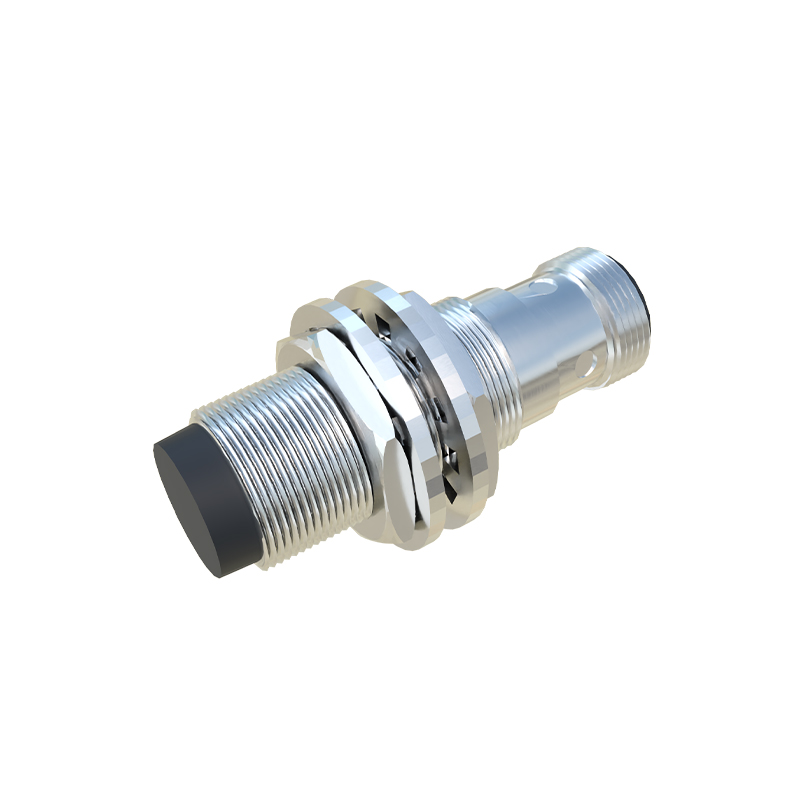
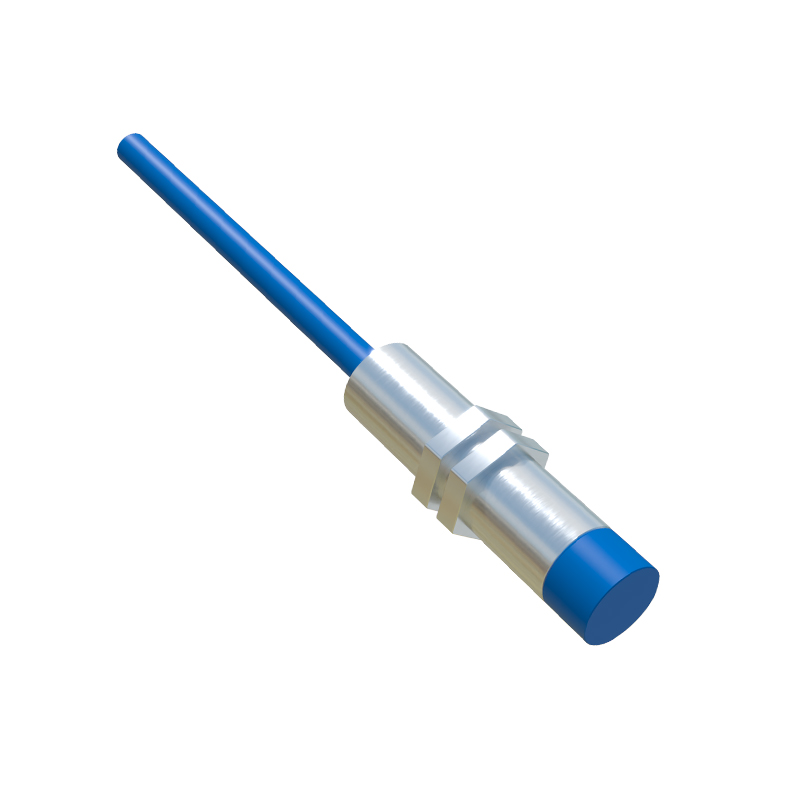
In the realm of automation and control systems, the accuracy of sensing components is paramount. Proximity sensors and micro switches, often working in tandem or in similar applications, are fundamental to this ecosystem. While their primary functions differ—proximity sensors detecting the presence or absence of an object without physical contact, and micro switches (a type of snap-action switch) requiring a physical actuation force—their performance is critically judged by their precision and reliability. Understanding the factors that influence their accuracy is essential for optimal system design.
For proximity sensors, which include inductive, capacitive, and photoelectric types, accuracy is not a single, simple specification. It encompasses several interrelated parameters. The first is repeatability, which refers to the sensor's ability to consistently detect an object at the same point under identical conditions. This is often more critical than absolute linear accuracy for many positioning tasks. Factors affecting repeatability include temperature fluctuations, voltage supply stability, and electromagnetic interference (EMI). Sensor mounting, alignment, and the material and surface characteristics of the target object also play a significant role. For instance, an inductive sensor calibrated for mild steel will exhibit different sensing distances for aluminum or stainless steel, directly impacting its effective accuracy in a mixed-material environment. Hysteresis, a built-in feature to prevent chatter, creates a difference between the switch-on and switch-off points, which must be accounted for in precise positioning applications.
Micro switch accuracy, on the other hand, is deeply tied to its mechanical design. The term "accuracy" here relates to the consistency of the actuation point—the precise position or force at which the contacts snap from one state to another. Key factors include the precision of the internal spring mechanism, the wear on the actuator and contacts, and the operating environment. Contaminants like dust, oil, or moisture can impede the actuator's movement or cause contact arcing, leading to premature failure and erratic switching. The mechanical repeatability of a micro switch is typically very high, but it can degrade over millions of cycles due to material fatigue. Furthermore, the overtravel—the distance the actuator can safely travel past the actuation point—is crucial for ensuring reliable contact closure but does not directly relate to the accuracy of the initial trigger point.
Optimizing the accuracy of both sensor types requires a systematic approach. For proximity sensors, selection is the first critical step. Choose a sensor with a sensing range 20-30% greater than the actual required distance to account for variances. Ensure stable, regulated power supplies and implement proper shielding in electrically noisy environments. Regular calibration checks against a master reference can catch drift over time. For micro switches, selecting a switch with an appropriate actuation force and overtravel for the application is vital. Using them within their specified electrical load ratings prevents contact welding and pitting, which destroy accuracy. Implementing protective housings or seals (IP ratings) guards against environmental contaminants.
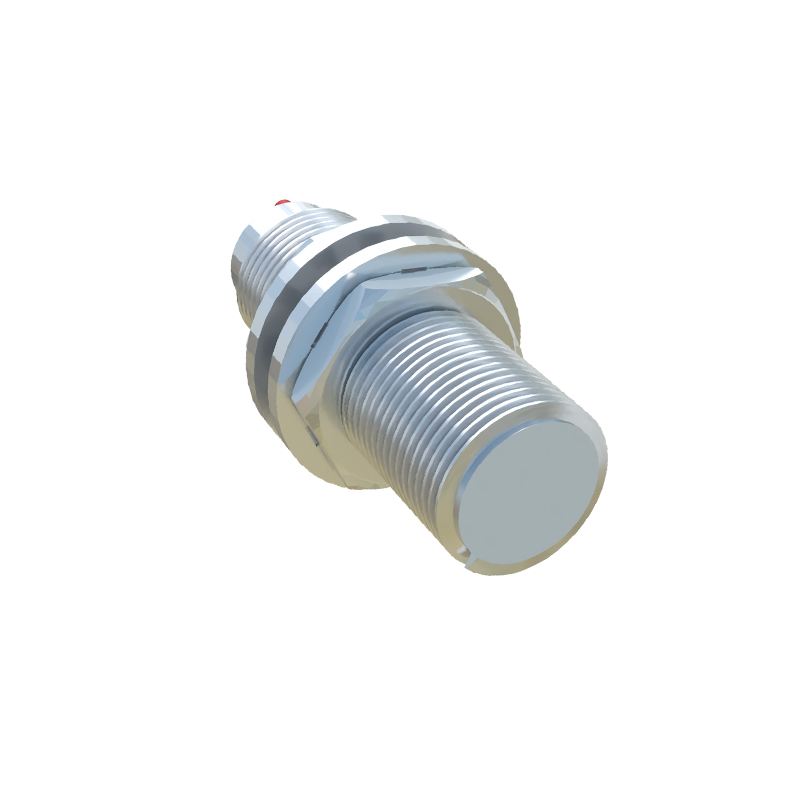
In high-precision applications, such as semiconductor manufacturing or medical device assembly, even marginal inaccuracies can lead to product defects. Here, systems often integrate feedback loops. A proximity sensor might trigger a primary action, while a secondary, higher-resolution sensor (like a laser distance sensor) provides fine positional verification. Micro switches might be used as reliable limit switches for "home" positioning, establishing a known reference point from which a more precise system, like a servo motor with an encoder, takes over.
Ultimately, the "accuracy" of these components is not merely a number on a datasheet. It is a system-level characteristic. A sensor with excellent inherent repeatability can perform poorly if installed incorrectly. A robust micro switch can fail prematurely in an unsuitable environment. Engineers must consider the entire operational context: target characteristics, environmental conditions, required lifespan, and necessary safety margins. By thoroughly understanding the mechanics and electronics governing proximity sensors and micro switches, and by implementing prudent selection, installation, and maintenance practices, the highest levels of accuracy and system reliability can be consistently achieved, forming the dependable backbone of modern automated processes.