In the demanding environment of underground coal mining, managing airborne dust is not merely an operational concern—it is a critical imperative for worker safety, regulatory compliance, and long-term mine viability. Traditional methods of dust monitoring, often reliant on filter-based or light-scattering techniques with lower precision, are increasingly being supplemented and replaced by a more advanced technology: the laser dust sensor. This shift represents a significant leap forward in the industry's ability to protect its workforce and optimize its processes.
At its core, a laser dust sensor designed for coal mines operates on the principle of laser scattering. A stable laser diode emits a focused beam of light into a controlled measurement chamber. As airborne dust particles, including the particularly hazardous respirable coal dust, pass through this beam, they scatter the light in all directions. A strategically placed photodetector, positioned at a specific angle (often 90 degrees), captures this scattered light. The intensity of the scattered signal is directly proportional to the concentration of dust particles in the air. Sophisticated onboard algorithms then process this signal, converting it into a highly accurate, real-time reading of dust mass concentration, typically displayed in units like milligrams per cubic meter (mg/m³).
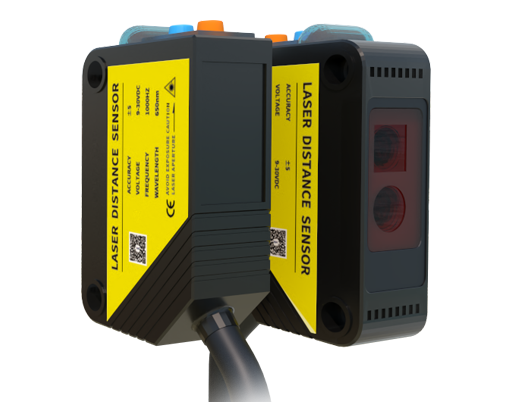
The advantages of deploying laser-based sensors in coal mines are substantial and address key industry challenges. Firstly, their accuracy and sensitivity are superior to older technologies. They can reliably detect low concentrations of respirable dust, which is crucial because these fine particles pose the greatest health risk, causing pneumoconiosis (black lung disease) and other chronic respiratory illnesses. Early and precise detection allows for immediate intervention. Secondly, they provide real-time data. Unlike filter-based methods that require lab analysis, laser sensors offer continuous monitoring. This enables a dynamic response; ventilation rates can be adjusted automatically, or machine operators can be alerted the moment dust levels approach dangerous thresholds, allowing them to modify cutting parameters or apply more effective suppression techniques.
Furthermore, modern laser dust sensors are engineered for the harsh mining environment. They feature robust, often explosion-proof (Ex-rated) housings that can withstand vibration, moisture, and the omnipresent coal dust itself. Their maintenance requirements are relatively low compared to mechanical samplers, and many models offer digital outputs for seamless integration into the mine's wider safety and automation network. This connectivity allows for the creation of detailed dust concentration maps of the mine, identifying high-risk zones and trends over time.
From a regulatory standpoint, these sensors are invaluable tools for compliance. Mining authorities worldwide enforce strict permissible exposure limits (PELs) for respirable coal dust. Laser sensors provide the continuous, auditable data trail necessary to demonstrate compliance, moving beyond periodic sampling to a proven, always-on record of the working environment. This data not only satisfies inspectors but also forms the basis for a proactive safety culture, empowering both management and workers with actionable information.
The implementation of laser dust monitoring systems also contributes to operational efficiency. By precisely understanding dust generation patterns, mines can optimize the use of water sprays, dust collectors, and ventilation power—some of the most energy-intensive systems in a mine. This targeted approach prevents the wasteful overuse of resources while ensuring areas that need it most are adequately protected. It represents a convergence of safety, sustainability, and cost-effectiveness.
In conclusion, the adoption of laser dust sensors in coal mining is a transformative development. It moves dust management from a reactive, sampling-based exercise to a proactive, data-driven science. By delivering unparalleled accuracy, real-time awareness, and robust performance underground, this technology is fundamentally enhancing the industry's capacity to safeguard miner health, ensure regulatory adherence, and operate more intelligently. As sensor technology continues to evolve with features like particle size discrimination and even greater connectivity, its role as a cornerstone of modern mine safety and operational excellence will only solidify.