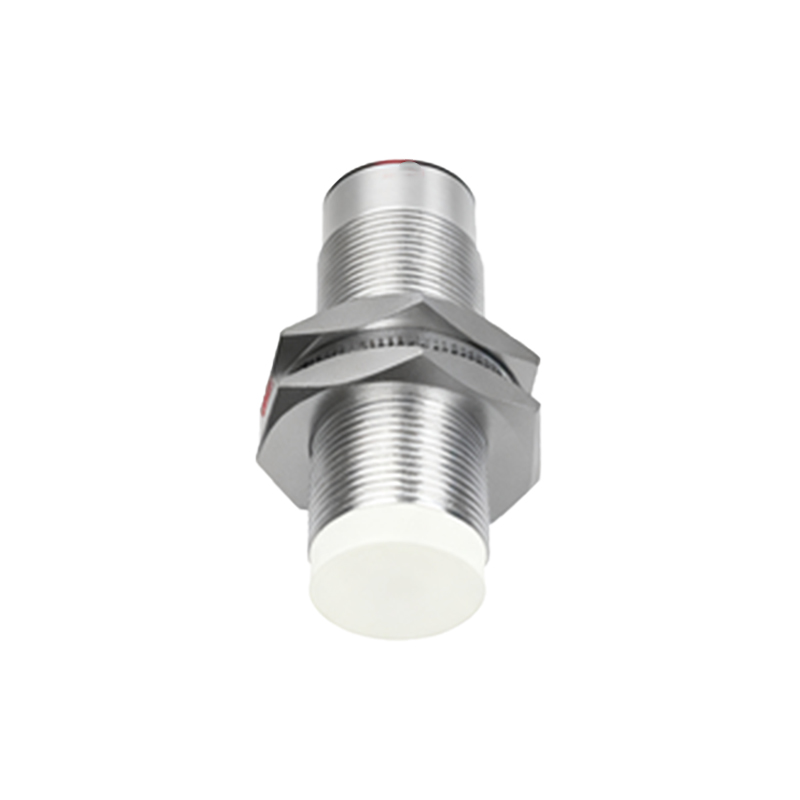
In the world of industrial automation and machine control, the ability to detect the presence or absence of an object without physical contact is paramount. Among the various technologies enabling this capability, inductive proximity sensors stand out for their robustness, reliability, and precision in metallic environments. These non-contact electronic devices are workhorses on factory floors, seamlessly integrating into complex systems to ensure smooth operation, enhance safety, and improve efficiency.
At its core, an inductive proximity sensor operates on the principle of electromagnetic induction. The key component is a coil wound around a ferrite core located at the sensor's active face. When an alternating current is passed through this coil, it generates an oscillating electromagnetic field. This field extends a short distance from the face of the sensor. When a conductive metal target, such as steel, aluminum, brass, or copper, enters this field, eddy currents are induced on the surface of the target. These eddy currents draw energy from the sensor's oscillating circuit, causing a change in its amplitude. The sensor's internal electronics continuously monitor this oscillation. Once the amplitude change reaches a predetermined threshold—indicating the target is within the specified sensing range—the sensor's output state switches. This switch can control a relay, a programmable logic controller (PLC) input, or another device, signaling the object's detection.
This fundamental principle grants inductive sensors several distinct advantages. First and foremost is their non-contact nature, which eliminates mechanical wear and tear, leading to exceptionally long service lives even in high-cycle applications. They are inherently insensitive to many environmental factors that plague other sensor types. Dust, dirt, oil, and non-conductive materials do not affect their operation, making them ideal for harsh industrial settings like machining, welding, or foundries. Furthermore, they offer high switching frequencies, allowing them to detect very fast-moving objects on assembly lines. Their construction is typically rugged, often housed in metal (stainless steel or brass) or robust plastic bodies with high ingress protection (IP) ratings, safeguarding them against coolants, chips, and vibrations.
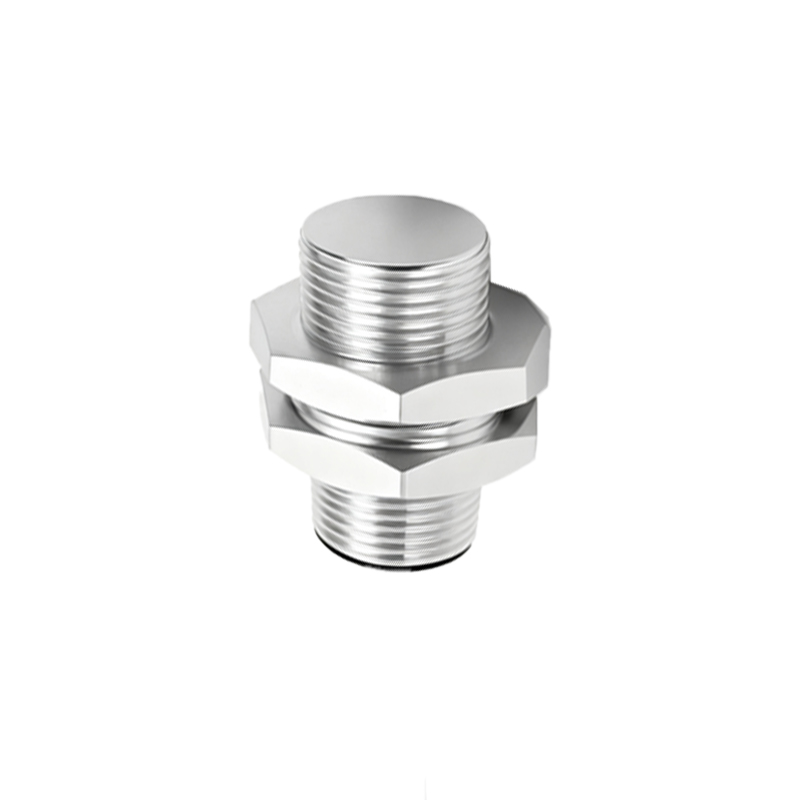
The applications for inductive proximity sensors are vast and varied. A common use is as a limit or position switch, confirming that a machine part like a cylinder rod has fully extended or retracted. They are indispensable in object counting on conveyor belts, detecting metal parts as they pass by. In rotary applications, they can sense the teeth of a gear to monitor speed or detect missing teeth. They also play a crucial role in safety, acting as interlock sensors to confirm that a safety guard door is closed before a machine can start. From packaging machinery and automotive assembly robots to material handling systems and metal stamping presses, their presence is nearly ubiquitous where metal detection is required.
Selecting the right inductive sensor for a job requires careful consideration of several parameters. The sensing distance, or nominal range, is critical and is specified for a standard target (usually mild steel). It's important to note that this range reduces for non-ferrous metals like aluminum or copper; a correction factor provided by the manufacturer must be applied. The sensor's housing style—barrel (cylindrical), rectangular, or ring-shaped—must fit the mechanical installation. The electrical output type is another key choice: DC sensors with NPN (sinking) or PNP (sourcing) transistor outputs are common for PLC connections, while some applications may use analog current (4-20 mA) or voltage (0-10 V) outputs for distance-proportional signaling. AC versions are also available for direct relay control. Other factors include the operating voltage, connection method (pre-wired cable or quick-disconnect), and environmental ratings like temperature range and IP classification.
While incredibly versatile, inductive sensors do have limitations. Their sole ability to detect conductive metals means they cannot be used for plastic, wood, glass, or liquid detection. The sensing range is relatively short, typically from a fraction of a millimeter up to about 60 millimeters for standard models. The presence of other metals near the sensor or the target can sometimes influence performance, a factor known as flanking or shielding. For applications requiring detection of all materials or longer ranges, capacitive, ultrasonic, or photoelectric sensors may be more appropriate.
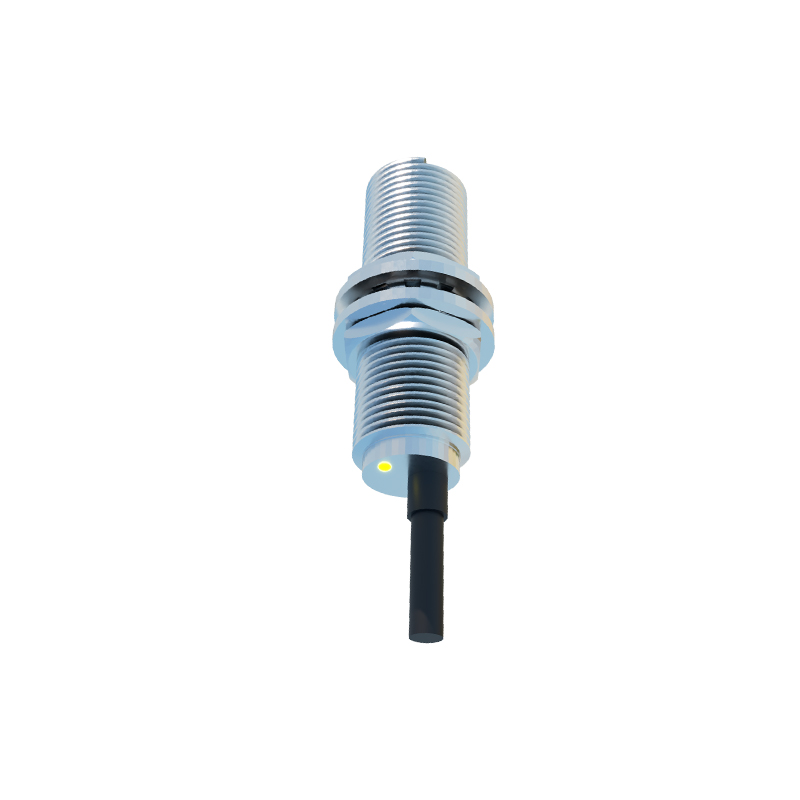
In conclusion, inductive proximity sensors are a foundational technology in modern industrial automation. Their simple yet effective operating principle, combined with rugged construction and high reliability, makes them an essential component for countless detection tasks involving metallic objects. By understanding their working mechanism, key advantages, and proper selection criteria, engineers and technicians can effectively deploy these sensors to build smarter, safer, and more efficient automated systems. As Industry 4.0 and the Industrial Internet of Things (IIoT) advance, these classic sensors continue to evolve, often incorporating advanced diagnostics and IO-Link communication to provide valuable data beyond a simple on/off signal, securing their place in the factories of the future.
SEO