Area laser sensors represent a significant advancement in industrial automation and measurement technology. Unlike traditional point or line sensors, these devices capture three-dimensional data across a defined area, enabling comprehensive surface analysis and object detection. The core principle involves projecting a laser pattern onto a target surface and using a camera or receiver to analyze the deformation of this pattern. By calculating the displacement of thousands of data points, the sensor generates a precise depth map or point cloud of the entire scanned area. This technology, often based on laser triangulation or time-of-flight principles, provides rich spatial information that is critical for complex inspection tasks.
The applications for area laser sensors are vast and transformative. In automotive manufacturing, they are indispensable for quality control, performing gap and flush measurements on car body assemblies with micron-level accuracy. Robots equipped with these sensors gain enhanced vision for bin picking, allowing them to identify and grasp randomly oriented parts from a container. In electronics assembly, sensors verify the coplanarity of component leads and the presence of solder paste on circuit boards. The logistics sector utilizes them for palletizing, volume measurement, and automated guided vehicle (AGV) navigation, ensuring efficient and safe material handling. Furthermore, in cultural heritage preservation, area laser scanners create detailed 3D models of artifacts and historical sites for documentation and restoration.
Selecting the right area laser sensor requires careful consideration of several technical parameters. Resolution, which defines the smallest detectable feature, is paramount for detailed inspections. Measurement range and field of view determine the physical size of the area that can be scanned in a single capture. The scanning speed, often measured in frames per second, is crucial for high-throughput production lines. Environmental factors like ambient light, vibrations, and the reflectivity of target materials (from matte black to shiny metal) significantly impact performance. Modern sensors incorporate sophisticated algorithms and filters to compensate for these challenges, ensuring reliable data in harsh industrial settings.
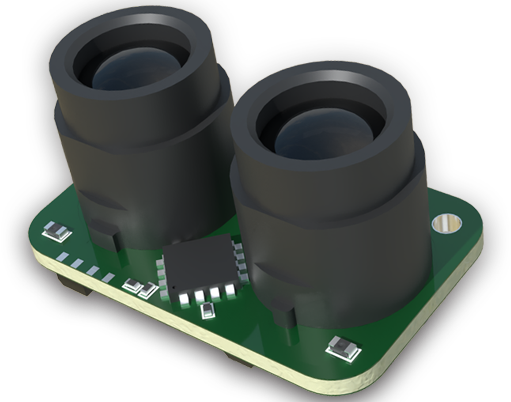
The integration of area laser sensors with factory systems is a key driver of Industry 4.0. They connect to programmable logic controllers (PLCs) and industrial PCs, feeding data into manufacturing execution systems (MES) for real-time process monitoring and analytics. This data feedback loop enables predictive maintenance, where trends in measurement drift can signal the need for machine calibration before a defect occurs. The shift towards smart factories relies on this type of rich, dimensional data to create digital twins—virtual replicas of physical processes that can be optimized offline.
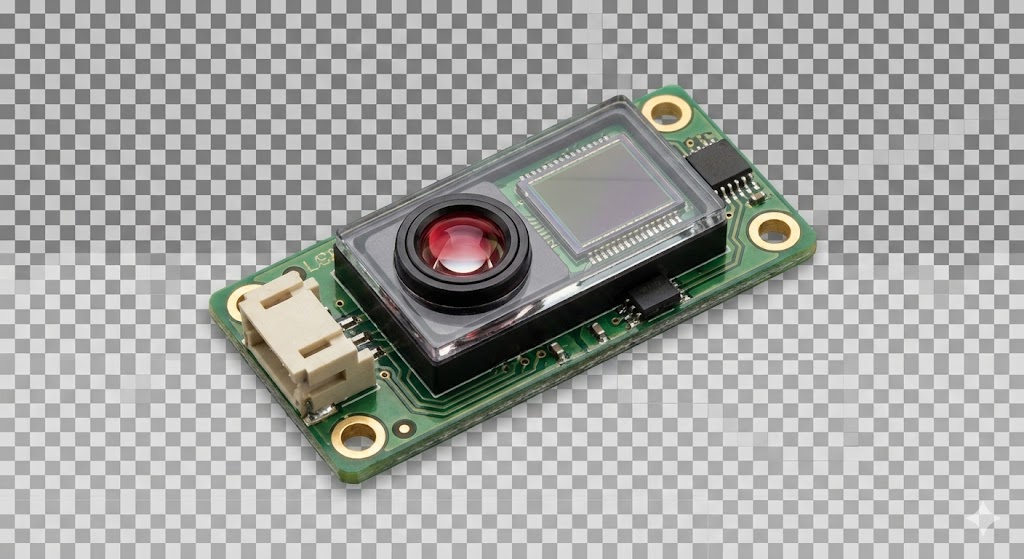
Looking ahead, the evolution of area laser sensor technology focuses on miniaturization, increased speed, and enhanced intelligence. The development of solid-state lasers and more compact optical designs is leading to smaller, more robust sensor heads. Processing power continues to grow, allowing for on-sensor data preprocessing and the direct output of pass/fail results, reducing the load on central controllers. Furthermore, the integration of artificial intelligence for point cloud analysis is emerging, enabling sensors to not only capture geometry but also classify objects and identify complex defects autonomously. This progression promises to unlock new levels of automation, precision, and efficiency across countless industries, solidifying the area laser sensor's role as a foundational tool for the future of automated inspection and guidance.