In the intricate dance of modern automation and smart systems, there exists a silent, unseen workforce. These components operate without physical contact, making split-second decisions that keep assembly lines flowing, ensure public safety, and empower the devices in our pockets. This is the realm of sensor and proximity switch technology, a foundational pillar of the industrial and digital age.
At its core, a sensor is a device that detects and responds to a specific type of input from the physical environment. This input could be light, heat, motion, moisture, pressure, or any one of a vast number of other environmental phenomena. The output is generally a signal that is converted into a human-readable display or transmitted for further processing. Proximity switches, a specialized and crucial category of sensors, are designed specifically to detect the presence or absence of an object within a defined range without any physical contact. They answer a simple but critical question: "Is something there?"
The principle of non-contact detection is what gives proximity switches their remarkable reliability and longevity. Unlike mechanical limit switches that require physical touch and are subject to wear and tear, proximity switches use electromagnetic fields, light, or sound to sense objects. This means no moving parts come into contact with the target, leading to virtually infinite operational life and exceptional resistance to harsh environments filled with dust, oil, or moisture. The most common types include Inductive, Capacitive, Ultrasonic, and Photoelectric sensors.
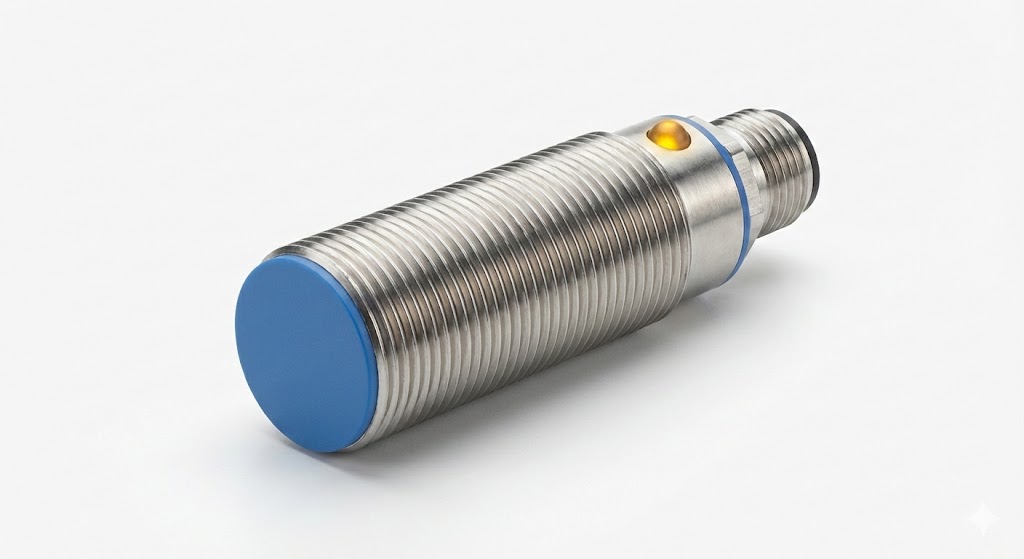
Inductive proximity switches are the stalwarts of metal detection. They generate an oscillating electromagnetic field. When a metallic object enters this field, it causes a change in the oscillation amplitude, which the sensor detects and converts into a switching signal. They are ubiquitous in manufacturing for tasks like counting metal parts, detecting the position of a machine piston, or ensuring a metal component is present before a welding cycle begins.
Capacitive sensors, on the other hand, can detect both metallic and non-metallic materials—liquids, plastics, wood, or granules. They work by measuring changes in capacitance. The sensor forms one plate of a capacitor, with the target object acting as the other. As the object nears, the capacitance increases, triggering the switch. This makes them ideal for level detection in tanks (e.g., sensing liquid or powder levels), detecting filled bottles on a conveyor, or ensuring the presence of a label on a non-metallic package.
Photoelectric sensors use light beams to detect objects. An emitter sends out a beam of light (often infrared, visible red, or laser), and a receiver detects it. An object is sensed when it interrupts this beam (through-beam mode) or reflects it back to the receiver (retro-reflective or diffuse modes). They offer very long sensing ranges and can detect objects of almost any material, making them perfect for packaging, material handling, and security systems.
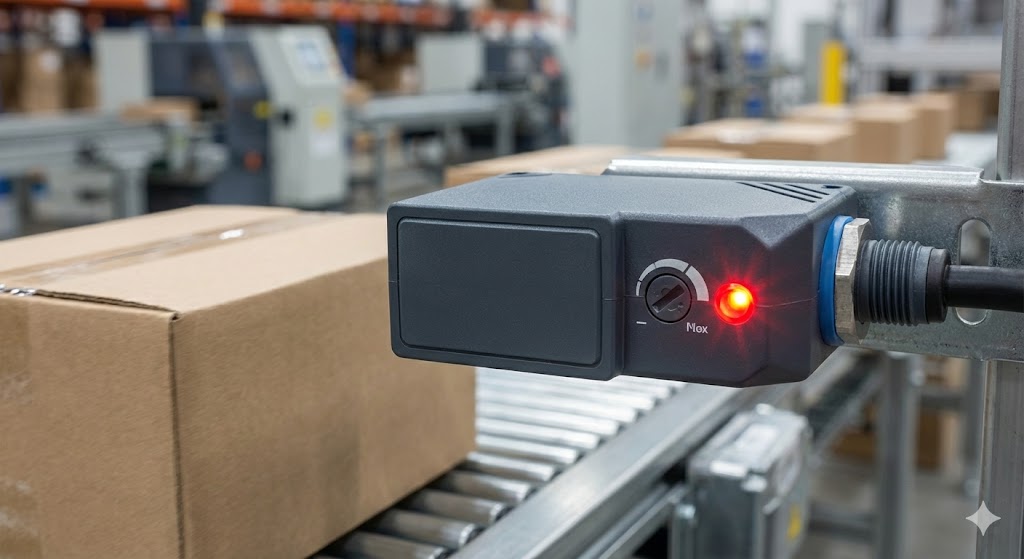
Ultrasonic sensors operate like sonar, emitting high-frequency sound pulses and listening for their echo. By calculating the time between the pulse and the echo, they can determine the distance to an object. They excel in applications involving clear liquid level control, uneven surface detection, or sensing transparent objects that photoelectric sensors might struggle with.
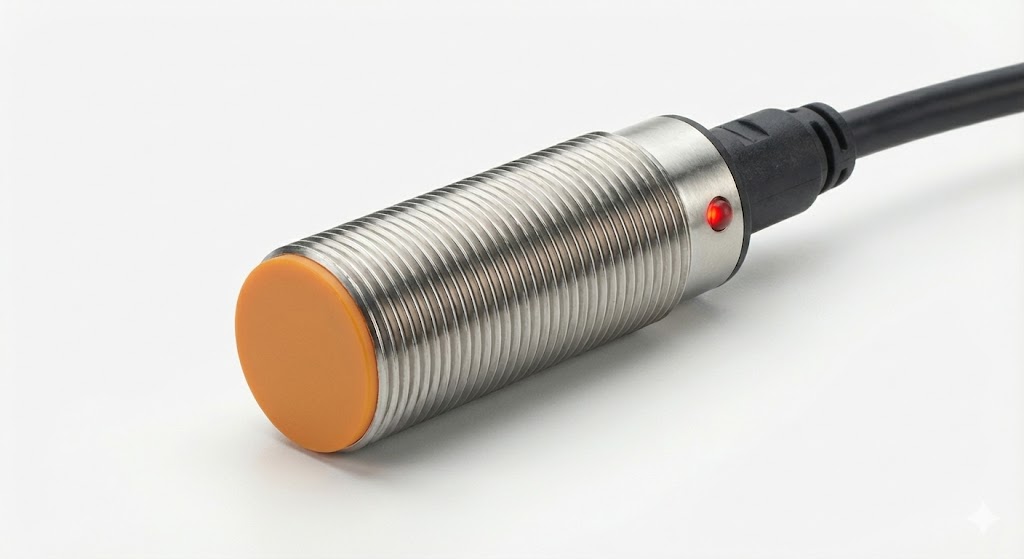
The applications of these technologies are staggeringly diverse. In automotive manufacturing, an array of inductive and photoelectric sensors guides robotic arms, verifies part placement, and controls intricate assembly processes. In consumer electronics, capacitive sensors lie beneath the surface of your smartphone screen, enabling touch controls, and manage power by putting the device to sleep when held to your ear. In the food and beverage industry, capacitive sensors monitor levels in silos, while hygienic photoelectric sensors ensure proper filling and capping on high-speed production lines. In building automation, motion sensors (often PIR – Passive Infrared) control lighting, and proximity switches secure doors and elevators.
The evolution continues with the integration of Industrial Internet of Things (IIoT) capabilities. Modern "smart" sensors no longer just provide a simple on/off signal. They are equipped with microprocessors that can communicate detailed diagnostics, health status, and process data over industrial networks like IO-Link, Ethernet/IP, or Profinet. This allows for predictive maintenance—where a system can alert an operator to a sensor's deteriorating performance before it fails—and finer process optimization.
Choosing the right sensor or proximity switch is a critical engineering decision. Key factors include the material of the target object, the required sensing distance, the environmental conditions (temperature, potential washdowns, chemical exposure), the required output type (digital on/off, analog distance signal), and the necessary speed of response. A misapplied sensor can lead to machine downtime, product defects, or safety hazards.
From the hum of a factory floor to the silent logic of a smart home, sensor and proximity switch technology forms the essential sensory nervous system. They provide the raw data upon which automated logic