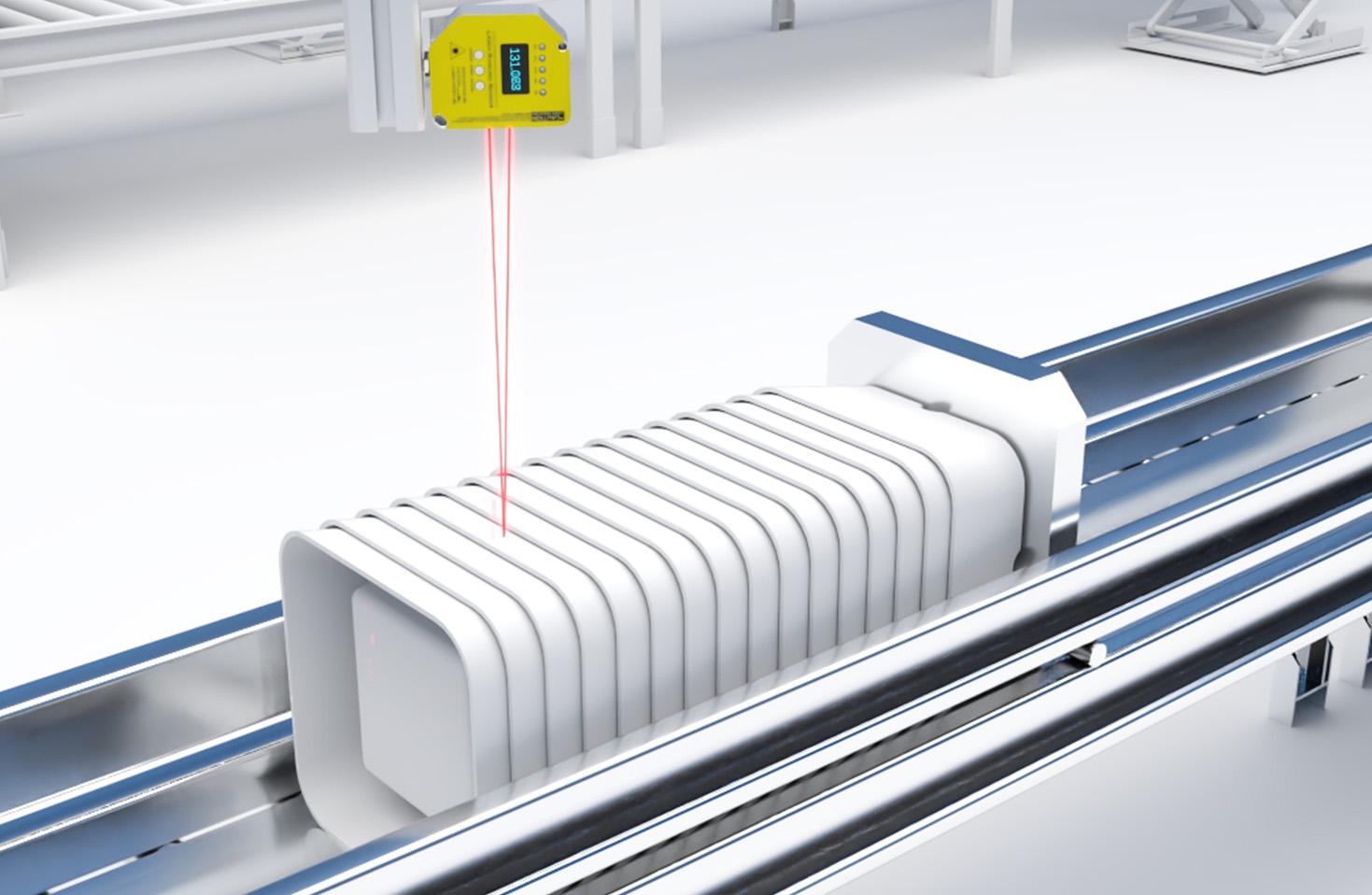
In the world of industrial automation, robotics, and precision measurement, the laser sensor has become an indispensable tool. Its ability to provide non-contact, high-accuracy detection and measurement makes it critical for applications ranging from object positioning and edge detection to thickness gauging and profile scanning. However, for engineers, procurement specialists, and hobbyists, the question often arises: where is the best place to buy a laser sensor? The answer is not one-size-fits-all and depends heavily on your specific requirements, budget, and technical support needs.
The primary and most reliable channel for purchasing industrial-grade laser sensors is through authorized distributors of major manufacturers. Companies like Keyence, Omron, SICK, Banner Engineering, and Panasonic have established global networks of technical distributors. These distributors do more than just sell a product; they provide immense value through pre-sales engineering support. A qualified distributor's application engineer can help you select the correct sensor model from a vast portfolio, considering factors like sensing distance, spot size, output type (e.g., NPN/PNP, analog, IO-Link), and environmental specifications (IP rating, temperature range). They can often arrange for a demo unit to test in your actual application, ensuring compatibility before purchase. This route is ideal for OEMs and end-users with complex, high-volume, or critical applications where technical certainty is paramount.
For those requiring more specialized or customizable solutions, dealing directly with the manufacturer or their specialized sales division is the recommended path. This is particularly true for sensors used in research and development, scientific instrumentation, or unique industrial processes. Manufacturers of high-precision laser displacement sensors, such as Micro-Epsilon or LMI Technologies, often have direct sales engineers who are experts in their niche. Buying direct ensures you get the most accurate technical specifications and access to proprietary software and firmware updates. While the initial process might involve more detailed quoting, the long-term support for integration and troubleshooting is typically superior.

The landscape of electronics procurement has been irrevocably changed by online electronic component marketplaces. Platforms like Digi-Key, Mouser, and Newark (element14) stock a wide range of laser sensors from multiple brands. Their key advantages are transparency in pricing, real-time inventory levels, and incredibly fast shipping options. For engineers prototyping a design or needing a single replacement unit urgently, these sites are unparalleled. The buying process is straightforward: search by specification, compare datasheets, and order. The caveat is that technical support is generally limited to basic product questions; you won't receive deep application engineering help here. It's a perfect source for standard parts when you have already finalized your sensor selection.
Another significant online channel is Amazon Business and other broad-spectrum B2B platforms. These are useful for purchasing more generic or cost-effective laser sensors, often from lesser-known brands or for educational and hobbyist projects (e.g., common time-of-flight (ToF) sensors like the VL53L0X). The reviews and Q&A sections can offer practical user insights. However, buyers must exercise extreme diligence. Check the seller's authenticity, scrutinize product specifications carefully, and be wary of counterfeit components. This channel is generally not advised for mission-critical industrial automation but can be suitable for prototyping, learning, or non-critical functions.

Beyond the "where," the "how" to buy wisely is just as important. Before contacting any supplier, clearly define your application parameters: What are you detecting? What is the required measurement accuracy or repeatability? What is the operating environment? What output signal does your controller require? Having a clear set of requirements will streamline conversations with distributors and prevent costly mismatches. Always request and thoroughly review the product datasheet—it is the legal document defining the sensor's performance. For larger purchases, inquire about volume pricing, warranty terms, and lead times. Finally, consider the total cost of ownership, which includes not just the unit price but also the cost of mounting accessories, cabling, and potential downtime due to lack of support.
In conclusion, the optimal place to buy a laser sensor is determined by a balance of technical need, project scale, and required support level. For critical, high-performance industrial applications, partnering with an authorized distributor or the manufacturer directly is the safest and most effective strategy. For prototyping, replacement, or well-understood needs, major online component distributors offer speed and convenience. By clearly understanding your application and conducting thorough supplier due diligence, you can secure the right laser sensor that ensures reliability, accuracy, and longevity in your system.