In industrial automation, robotics, and consumer electronics, proximity sensors play a critical role in detecting the presence or absence of objects without physical contact. Their applications range from simple object detection on conveyor belts to complex positioning in automated machinery. However, the accuracy and reliability of these sensors are not inherent; they are highly dependent on precise calibration. This is where dedicated proximity sensor calibration software becomes indispensable. This guide explores the fundamentals, processes, and best practices associated with this specialized software.
At its core, proximity sensor calibration software is a tool designed to adjust the sensor's output to match a known standard or reference. Sensors can drift over time due to environmental factors like temperature fluctuations, humidity, mechanical stress, or component aging. This drift leads to inaccurate readings, which can cause production errors, safety hazards, or product defects. Calibration software provides a systematic method to correct these deviations, ensuring the sensor operates within its specified tolerance.
The calibration process typically involves several key steps managed by the software. First, it establishes communication with the sensor, often via standard industrial protocols like IO-Link, PROFINET, EtherNet/IP, or through analog/digital interfaces. The software then guides the user through a setup procedure, which includes selecting the sensor type (inductive, capacitive, ultrasonic, photoelectric) and defining the calibration parameters.
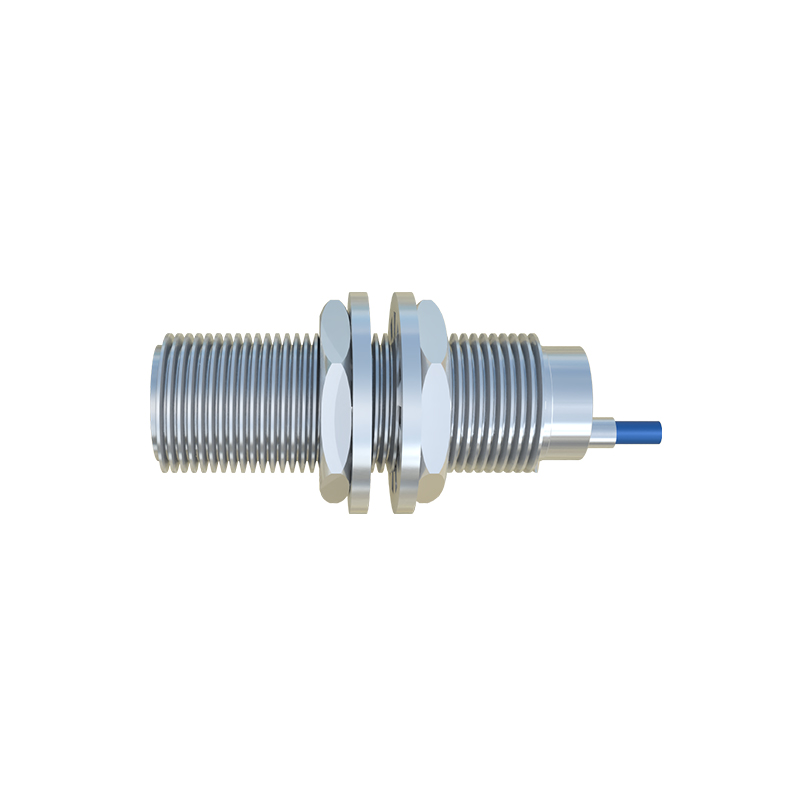
A fundamental calibration method is the two-point calibration. Here, the software records the sensor's output at two known reference points: one representing the "near" state and one representing the "far" state or a specific target distance. Using these data points, the software calculates a linear correction factor (offset and gain) and applies it to the sensor's internal settings. For more complex, non-linear sensor responses, advanced software may employ multi-point calibration, creating a detailed correction curve or lookup table for higher accuracy across the entire measurement range.
Modern calibration software offers features that significantly enhance efficiency and traceability. Automated calibration sequences allow for batch processing of multiple sensors, saving considerable time in high-volume production environments. Data logging and report generation are crucial for quality assurance and compliance with industry standards (e.g., ISO 9001). These reports document the "as-found" and "as-left" conditions, calibration date, technician details, and the reference standards used, creating a complete audit trail.
Another advanced feature is diagnostics and health monitoring. Sophisticated software can analyze the sensor's signal quality, noise levels, and response time during calibration. It can flag potential issues like a weakening emitter, dirty lens on optical sensors, or electrical interference, prompting preventive maintenance before a failure occurs. Some software integrates with asset management systems, scheduling calibrations based on usage hours or elapsed time.
The choice of calibration software depends heavily on the sensor ecosystem. Many leading sensor manufacturers provide proprietary software tools optimized for their product families. These offer deep integration, accessing all programmable parameters and firmware update capabilities. Conversely, third-party or universal calibration software platforms support a wider range of devices from different vendors, providing a unified interface for mixed-fleet environments. The decision often balances between specialized functionality and operational flexibility.
Implementing a robust calibration program using dedicated software yields substantial benefits. It maximizes equipment uptime by reducing unscheduled downtime caused by sensor faults. It improves product quality by ensuring consistent and accurate measurements. Furthermore, it extends the operational lifespan of sensors by keeping them in optimal condition, providing a strong return on investment.
In conclusion, proximity sensor calibration software is far more than a simple adjustment tool. It is a critical component of modern manufacturing and automation strategy, ensuring measurement integrity, process reliability, and quality control. By moving from manual, ad-hoc adjustments to a software-driven, documented calibration regimen, organizations can achieve new levels of precision, efficiency, and compliance in their operations.