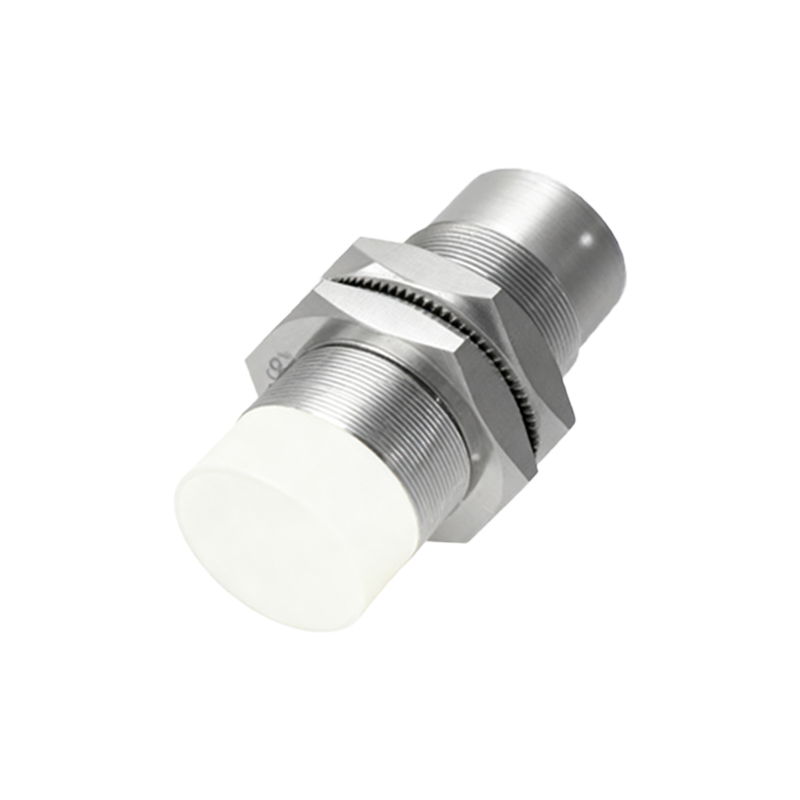
Inductive magnetic proximity sensors are fundamental components in modern industrial automation, offering non-contact detection of metallic objects. These sensors operate on the principle of electromagnetic induction. Inside the sensor, an oscillator generates a high-frequency electromagnetic field that radiates from the sensing face. When a ferromagnetic or non-ferrous metallic target enters this active field, eddy currents are induced on the target's surface. This causes a measurable change in the oscillator's amplitude or frequency. An integrated evaluation circuit detects this change and triggers a solid-state switching output, signaling the presence of the object.
A primary characteristic of these sensors is their exceptional reliability and longevity. With no moving parts or mechanical contacts subject to wear, they boast an operational life measured in millions of cycles, far exceeding mechanical limit switches. This makes them ideal for high-duty-cycle applications like packaging machinery, conveyor systems, and robotic assembly cells. Their robust construction, typically featuring nickel-plated brass or stainless-steel housings and epoxy-potted electronics, ensures high resistance to vibration, shock, and harsh industrial environments, including exposure to coolants, oils, and dust.
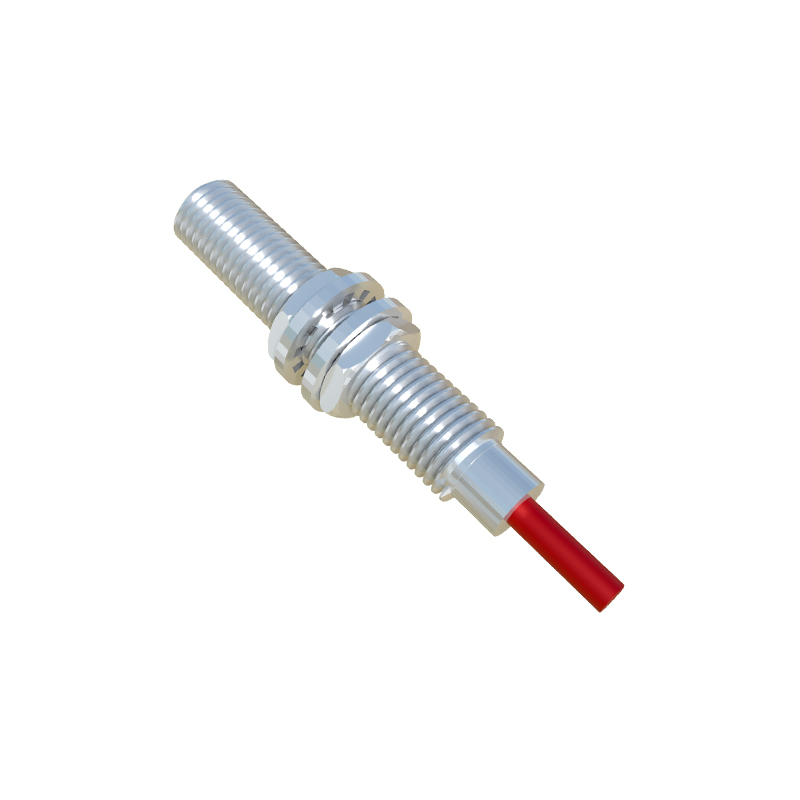
Another defining feature is their insensitivity to surface conditions. Unlike optical sensors, inductive sensors are unaffected by accumulated dirt, grime, or opaque fluids on the target or the sensor face. This allows for consistent performance in dirty or wet settings such as foundries, machining centers, or food processing plants. However, it is crucial to note that they only detect metallic objects; non-metallic materials like plastic, wood, or glass are transparent to their electromagnetic field.
The sensing range, or nominal switching distance (Sn), is a critical specification. Standard unshielded sensors offer a longer range but are susceptible to lateral metal interference. Shielded versions have a shorter, more focused sensing field, allowing for flush mounting in metal without false triggering. Advanced models incorporate teach-in functionality or IO-Link communication, enabling digital parameterization of switching points, hysteresis, and output timing directly from the PLC, which simplifies installation and reduces downtime during changeovers.
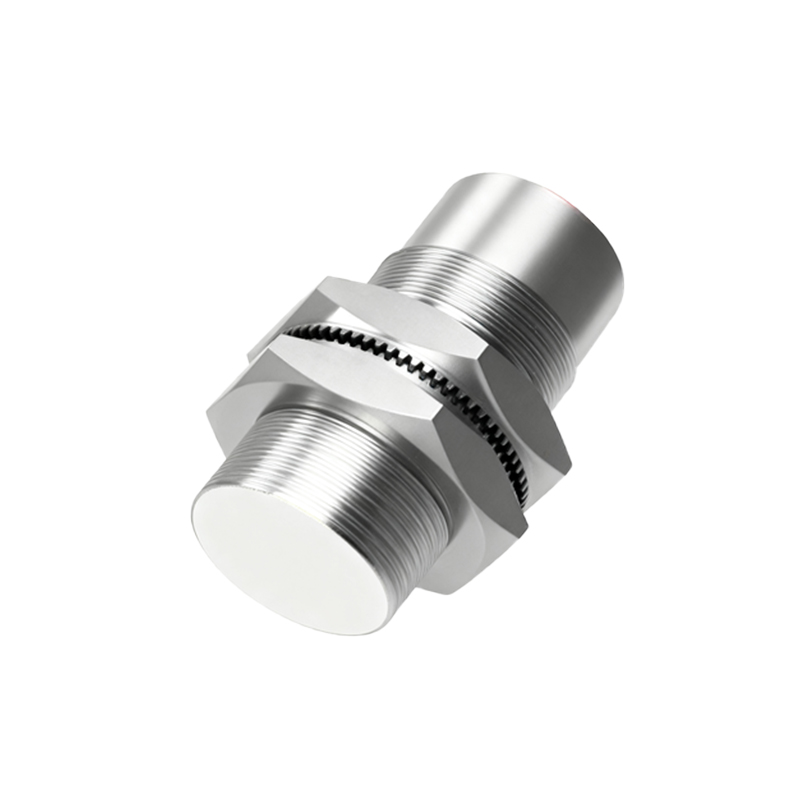
Output configurations are versatile, including DC PNP (sourcing), NPN (sinking), or AC/DC versions, and both normally open (NO) and normally closed (NC) logic. Some models provide analog current (4-20mA) or voltage (0-10V) outputs proportional to the target distance, useful for precision positioning tasks. A key performance metric is the switching frequency, which can reach several kilohertz, allowing for the detection of very fast-moving parts on high-speed production lines.
When selecting an inductive proximity sensor, engineers must consider the target material, size, and required sensing distance. For ferrous steel, the rated sensing distance is standard. For non-ferrous metals like aluminum, brass, or copper, a reduction factor must be applied, as these materials induce weaker eddy currents. Correct installation is paramount; maintaining the specified mounting distances from surrounding metal prevents electromagnetic damping and ensures reliable operation.
In summary, inductive magnetic proximity sensors are valued for their ruggedness, maintenance-free operation, and consistent performance in challenging conditions. Their ability to provide precise, non-contact detection of metals forms the backbone of countless automation processes, from simple presence checking to complex position feedback in sophisticated control systems. Continuous advancements in miniaturization, sensing distance, and smart communication protocols further solidify their indispensable role in industrial engineering.