In the realm of industrial automation, the 24V proximity sensor stands as a fundamental component, crucial for detection, positioning, and counting tasks. A common inquiry from procurement specialists, system integrators, and maintenance engineers is: "What is the price of a 24V proximity sensor?" The answer is not a single figure but a spectrum influenced by a confluence of technical, commercial, and application-specific factors. This article delves into the key determinants that shape the market price of these ubiquitous devices.
Firstly, the underlying technology and sensing principle significantly impact cost. Inductive proximity sensors, designed for detecting metallic objects, are generally the most economical entry point. Prices for standard cylindrical inductive sensors (e.g., M8, M12, M18 threading) can start from as low as $15 to $30 USD for basic models from volume manufacturers. Capacitive sensors, capable of detecting both metallic and non-metallic materials, typically command a 20% to 50% premium over their inductive counterparts due to more complex electronics. Ultrasonic and photoelectric sensors with 24V DC supply, offering longer ranges and different detection capabilities, reside in a higher price bracket, often ranging from $50 to $200 or more, depending on performance features.
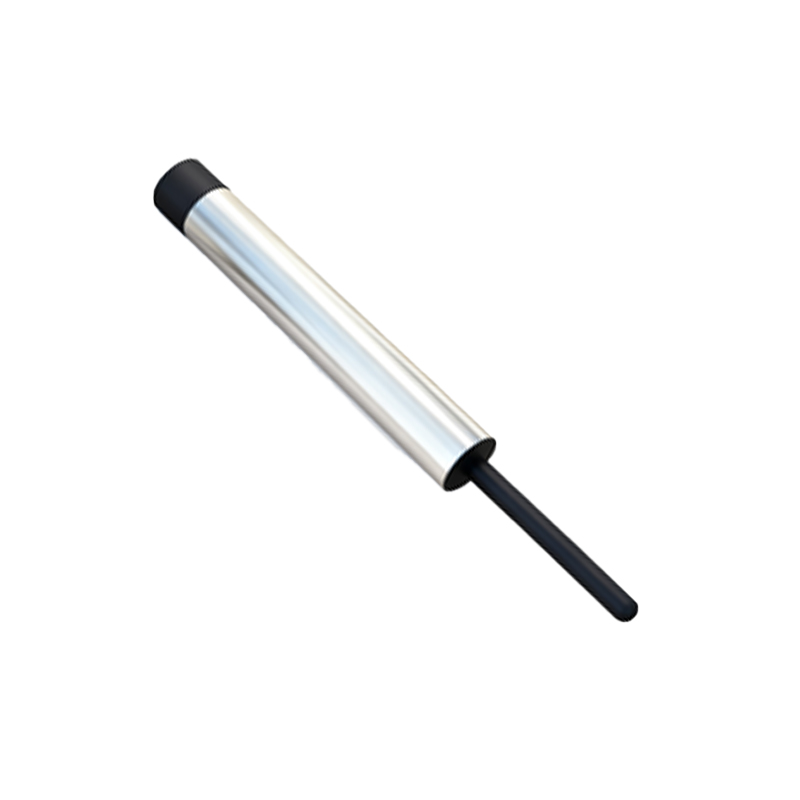
Secondly, performance specifications are direct cost drivers. Sensing range is a primary factor; a sensor with a 2mm range will cost less than one with a 15mm range. The build quality and housing material also contribute substantially. Sensors with robust, nickel-plated brass or stainless-steel housings (IP67, IP68, IP69K ratings) for harsh environments—resistant to chemicals, coolants, and physical impact—are priced higher than those with PBT or PVC housings for light-duty applications. Furthermore, output configuration (PNP vs. NPN, NO vs. NC) and the inclusion of advanced functionalities like IO-Link communication, diagnostic LEDs, or short-circuit protection add layers of cost. An IO-Link enabled 24V sensor can be 30-100% more expensive than a standard discrete output version.
Brand reputation and supply chain positioning play a monumental role. Established global brands like Siemens, Allen-Bradley (Rockwell Automation), Omron, Sick, and Pepperl+Fuchs carry a price premium, often ranging from $50 to $300 per unit, justified by extensive R&D, global certification, consistent quality, and comprehensive technical support. In contrast, competitive brands from Asia or generic suppliers offer functionally similar products at a fraction of the cost, sometimes between $10 and $60. However, this often involves trade-offs in long-term reliability, availability of technical documentation, and warranty support.
Ordering volume is a critical commercial factor. Unit price for a single sensor purchased from a distributor will be markedly higher than the price negotiated for a bulk OEM order of thousands of pieces. Distributors and online marketplaces list prices for common inductive sensors typically between $20 and $80 for single-unit purchases. Direct procurement in large quantities can reduce this cost by 30% to 60%.
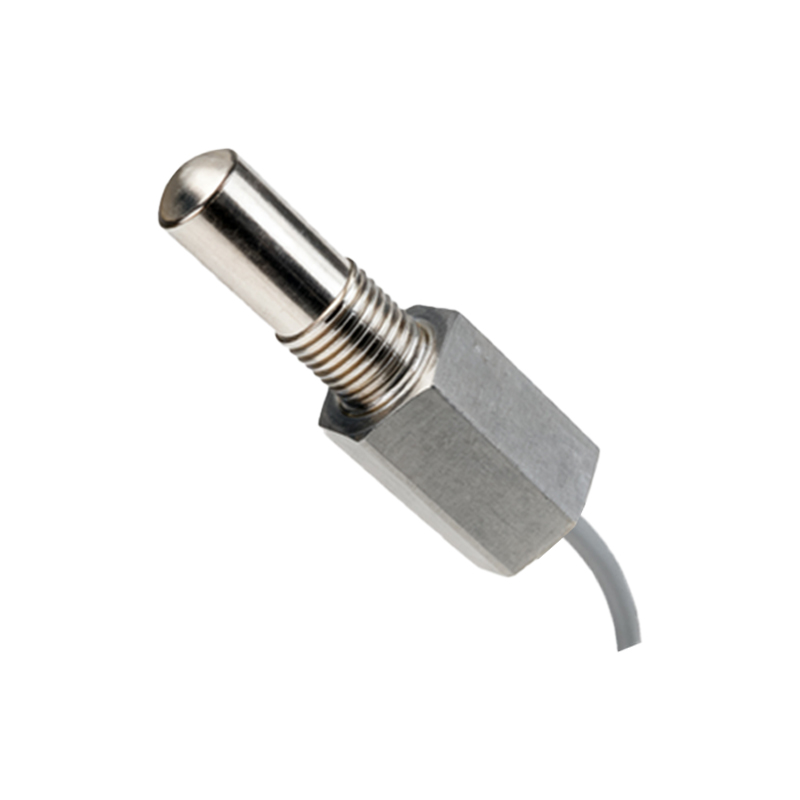
Finally, the total cost of ownership (TCO) must be considered beyond the initial purchase price. A cheaper sensor prone to failure in a demanding environment can lead to disproportionate costs from production downtime, replacement labor, and scrap. Therefore, the selection should balance upfront cost with required durability, precision, and lifecycle expectancy.
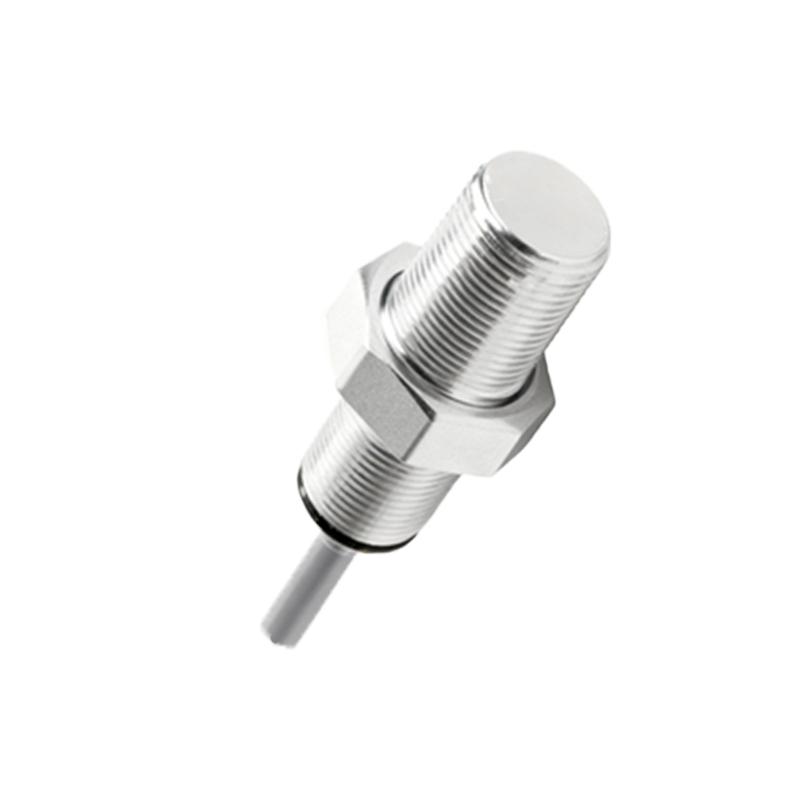
In conclusion, while a basic 24V inductive proximity sensor may be acquired for under $30, a fully-featured, ruggedized sensor from a leading brand for a critical application can easily exceed $150. A precise quotation requires specifying the sensor type, sensing range, housing size and material, electrical outputs, protection rating, and required certifications. Engaging with technical sales representatives from distributors or manufacturers is the most effective way to obtain accurate pricing tailored to your specific operational needs.