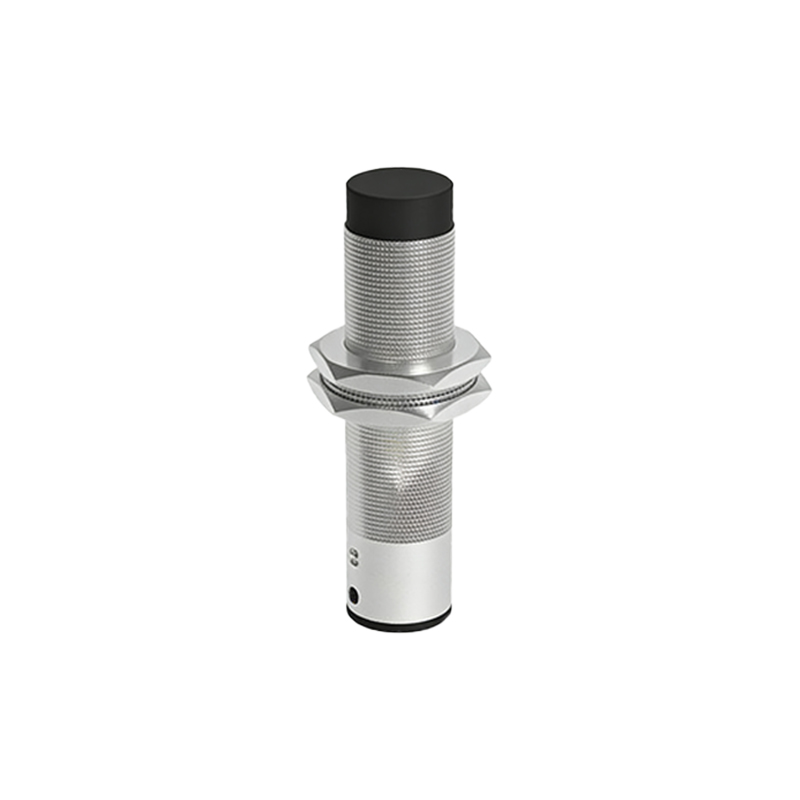
In the rapidly evolving landscape of industrial automation, plastic proximity sensors have emerged as a critical component, offering durability, cost-effectiveness, and versatility. These sensors, typically made from engineering plastics like PBT or PPS, are designed to detect the presence or absence of objects without physical contact, using technologies such as inductive, capacitive, or ultrasonic methods. Their lightweight and corrosion-resistant properties make them ideal for harsh environments, including food processing, automotive manufacturing, and pharmaceutical industries, where metal sensors might fail due to contamination or wear.
Leading companies in this niche are driving innovation through advanced materials and smart features. For instance, firms like Balluff GmbH, Pepperl+Fuchs, and Omron Corporation have developed plastic-housed sensors that integrate IoT capabilities, enabling real-time monitoring and predictive maintenance. These sensors often feature enhanced sensing ranges, improved immunity to electromagnetic interference, and compliance with international standards like IP67 for dust and water resistance. The shift toward miniaturization has also allowed for compact designs that fit into tight spaces, without compromising on performance.
One key trend is the adoption of hybrid plastics that combine strength with flexibility, reducing the risk of damage in high-vibration settings. Additionally, companies are focusing on energy-efficient models that lower operational costs and support sustainable practices. For example, some sensors now include sleep modes or low-power circuits, extending battery life in wireless applications. The integration of IO-Link communication protocols has further streamlined data exchange, allowing seamless connectivity with PLCs and cloud-based systems for enhanced automation control.
Despite the advantages, challenges remain, such as temperature limitations and potential signal attenuation in dense environments. However, ongoing R&D efforts are addressing these issues, with new polymer blends and advanced shielding techniques. As Industry 4.0 accelerates, the demand for reliable plastic proximity sensors is expected to grow, driven by applications in robotics, packaging, and smart logistics. Companies that prioritize customization and rapid prototyping are likely to gain a competitive edge, catering to specific client needs while maintaining high quality standards.
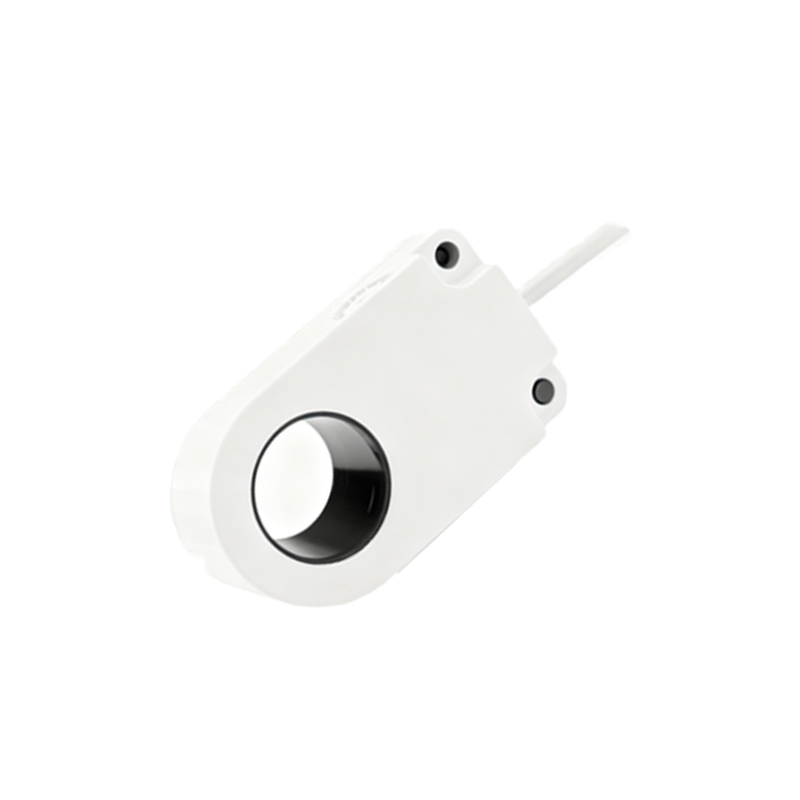
In summary, the plastic proximity sensor sector is characterized by continuous innovation, with leading firms pushing the boundaries of material science and digital integration. By leveraging these advancements, industries can achieve greater efficiency, safety, and adaptability in automated processes, paving the way for a more connected and resilient future.