In the realm of industrial automation, the ability to detect objects without physical contact is a cornerstone of efficiency, safety, and precision. While standard proximity sensors are ubiquitous, applications demanding detection over greater distances present a unique set of challenges. This is where long-distance proximity sensors come into play, offering extended sensing ranges that push the boundaries of non-contact detection. This article delves into the technology behind these sensors, their key applications, and critical factors for selection.
The fundamental principle of a proximity sensor is to emit a field or beam and detect changes in its return signal caused by the presence of a target object. For long-distance variants, this principle is intensified and refined. The most common technologies employed are:
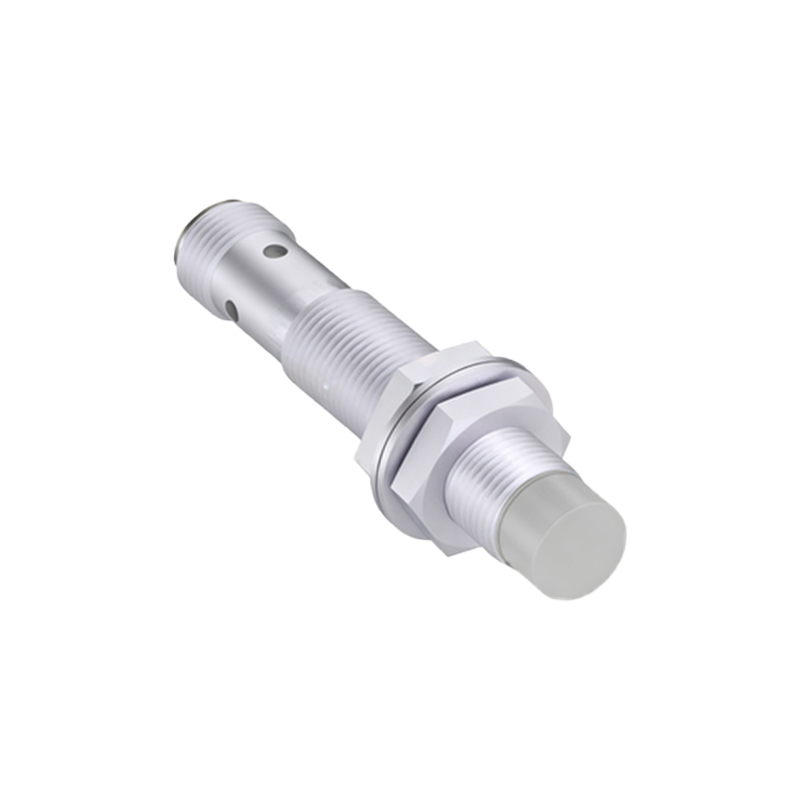
1. Inductive Sensors: Traditional inductive sensors have limited range, typically a few millimeters to tens of millimeters, as they rely on generating an electromagnetic field that induces eddy currents in metallic targets. "Long-range" inductive sensors are optimized to extend this range, sometimes up to 70-80mm for large steel targets, by using specialized coil designs and advanced electronics to amplify the signal.
2. Capacitive Sensors: These detect both metallic and non-metallic materials by measuring changes in capacitance. Their range is generally greater than standard inductive sensors but can be influenced by environmental factors like humidity. For long-distance capacitive sensing, large sensor faces and high sensitivity settings are used, with ranges potentially exceeding 50mm.
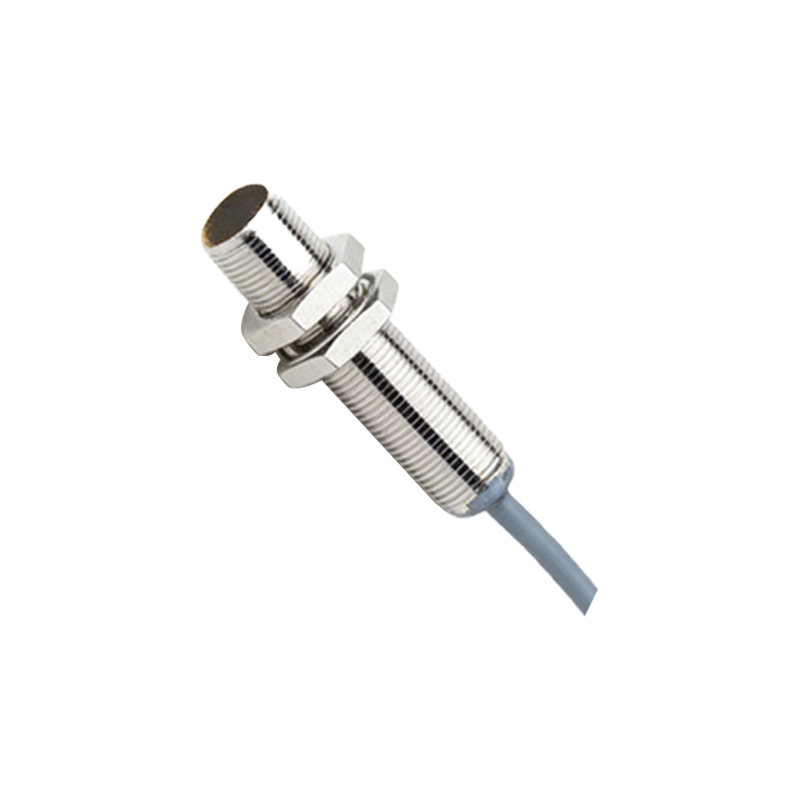
3. Ultrasonic Sensors: This technology is a true champion of long-distance detection. By emitting high-frequency sound waves and measuring the time-of-flight of the echo, ultrasonic sensors can reliably detect objects from a few centimeters up to several meters away. They are excellent for detecting solids, liquids, and granular materials regardless of color or material composition, though their accuracy can be affected by temperature, air turbulence, and the object's sound-absorbing properties.
4. Photoelectric Sensors: Often the go-to solution for the longest ranges. Through-beam sensors, where the emitter and receiver are separate units, can achieve detection ranges of over 100 meters. Reflective and diffuse models offer shorter but still substantial ranges, often up to several meters. They use modulated infrared or visible light and are ideal for small object detection at a distance, but performance can be hampered by dirty environments, ambient light interference, and the color/reflectivity of the target.
The selection of a long-distance proximity sensor is dictated by the application's specific demands. Key considerations include:
Required Sensing Distance: The primary parameter. Always specify the exact distance needed with a safety margin.
Target Material and Properties: Is it metal, plastic, liquid, transparent? What is its size, color, and surface texture? This directly influences the choice of technology (e.g., inductive for metals, ultrasonic for varied materials).
Environmental Conditions: Factors such as temperature extremes, humidity, dust, oil, vibration, and ambient light noise must be accounted for. Sensors with high IP (Ingress Protection) and IK (Impact Protection) ratings are essential for harsh industrial settings.
Output Type and Wiring: Decide between digital outputs (PNP/NPN), analog outputs (4-20mA, 0-10V), or IO-Link for smart sensor capabilities. The electrical interface and connection type must match the control system.
Response Time and Switching Frequency: How fast does the sensor need to detect and signal? High-speed applications require sensors with very short response times.
Mounting Constraints and Housing: The physical size, shape (cylindrical, rectangular), and mounting method (flush or non-flush for inductive) must fit the mechanical design.
Applications for long-distance proximity sensors are vast and critical. They are deployed in:
Material Handling: Monitoring the position of cranes, trolleys, and automated guided vehicles (AGVs) over large warehouse distances.
Packaging and Palletizing: Detecting the presence of boxes or pallets on conveyor lines with significant gaps between units.
Level Monitoring: Checking the fill level of bulk solids or liquids in large silos and tanks from the top.
Automotive Assembly: Ensuring robot safety by creating large-area presence detection zones.
Forestry and Lumber: Measuring log diameters or detecting objects on long infeed decks.
In conclusion, long-distance proximity sensors are sophisticated devices that enable advanced automation in scenarios where standard sensors fall short. A successful implementation hinges on a thorough understanding of the operating principle of each technology and a meticulous analysis of the application requirements. By carefully matching the sensor's capabilities—its technology, range, robustness, and output—to the specific task, engineers can build reliable, efficient, and safe automated systems that perform seamlessly over extended distances.