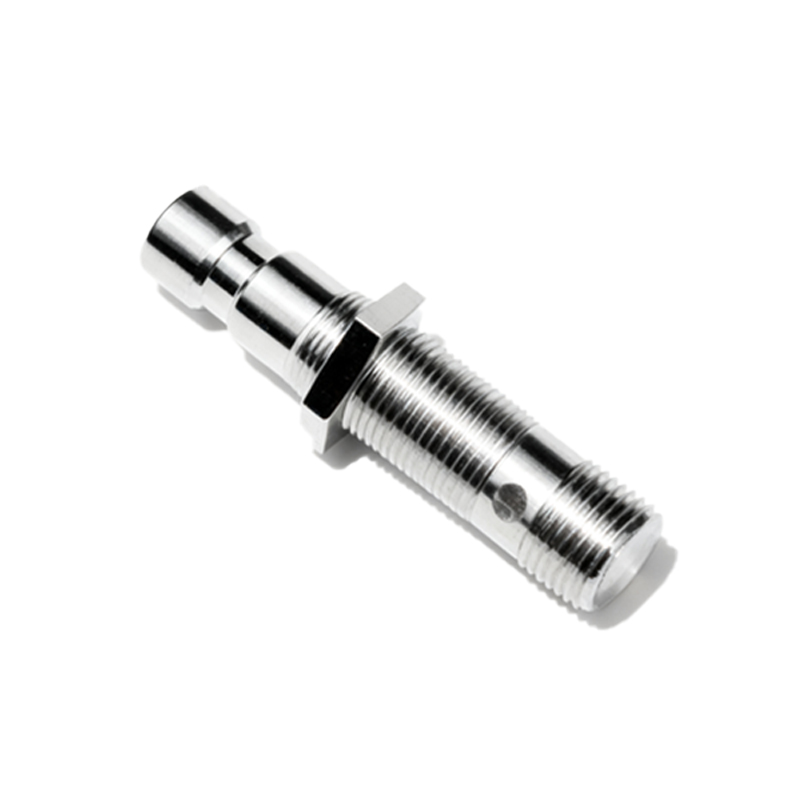
In the world of automation and smart technology, sensing presence without physical contact is a fundamental capability. Among the various solutions, passive proximity sensors stand out for their simplicity, reliability, and efficiency. Unlike their active counterparts, these sensors do not generate their own detection field, such as an electromagnetic field or a beam of radiation. Instead, they operate by detecting changes in the natural environment or disturbances caused by a target object. This fundamental distinction shapes their entire operational philosophy and application spectrum.
The core principle behind a passive proximity sensor is its ability to respond to a specific natural stimulus. A quintessential example is the passive infrared (PIR) sensor. All objects with a temperature above absolute zero emit infrared radiation. A PIR sensor is designed to detect changes in this ambient infrared radiation within its field of view. It typically contains a pyroelectric material that generates a temporary electrical voltage when exposed to varying levels of infrared radiation. When a warm body, like a person or an animal, moves across the sensor's detection zones, it causes a rapid change in the infrared pattern, which the sensor interprets as a triggering event. This is why PIR sensors are ubiquitous in security lighting and automatic door systems; they detect the movement of a heat-emitting body without emitting any energy themselves.
Another common type is the passive acoustic sensor or microphone used for proximity detection. It listens for specific sound signatures or changes in ambient acoustic patterns. For instance, in some touchless tap systems, a sensor may detect the specific sound pattern of hands moving under the spout. Similarly, passive capacitive sensors, though sometimes confused with active ones, can have passive implementations that detect changes in the Earth's natural electric field or the capacitive coupling of a human body to the ground, altering the sensor's capacitance without active signal generation.
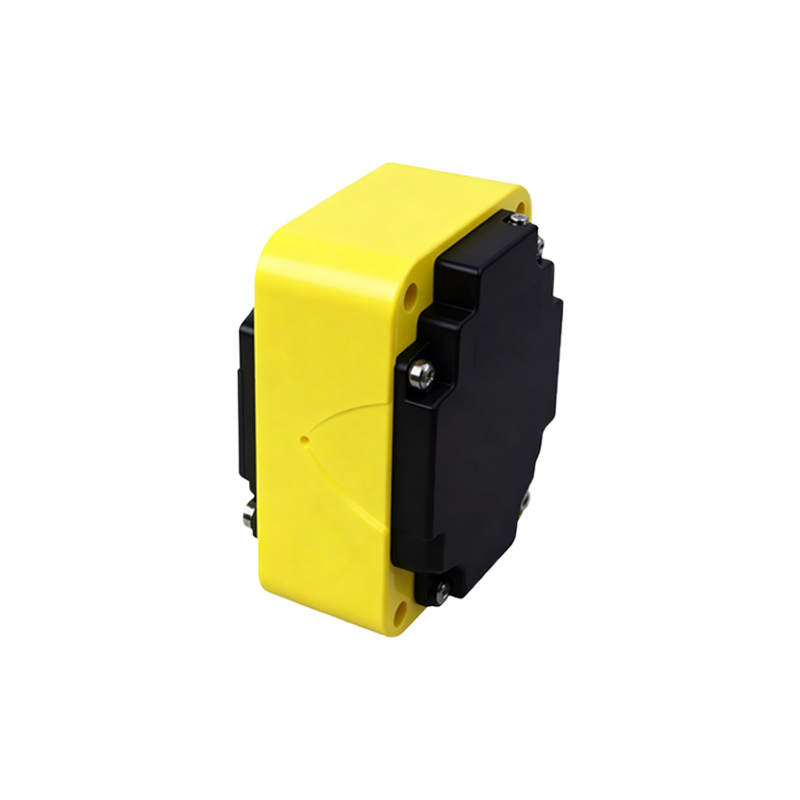
The advantages of choosing a passive proximity sensor are significant. Firstly, their power consumption is exceptionally low, often minimal, as they only need power for the signal processing circuitry, not for generating a continuous detection field. This makes them ideal for battery-operated or energy-harvesting devices. Secondly, they are inherently immune to interference from other active sensors. In an environment crowded with radio frequencies, ultrasonic pulses, or other active signals, a passive sensor remains unaffected as it is not broadcasting anything that can be jammed or confused. Thirdly, they are often simpler in construction, potentially leading to higher durability and lower cost.
However, these benefits come with inherent limitations. Passive sensors are generally reactive; they require the target to create a detectable change in the environment. A PIR sensor, for example, may not detect a perfectly still person or an object at ambient temperature. Their performance can be influenced by environmental conditions—extreme heat can blind a PIR sensor, and background noise can disrupt a passive acoustic sensor. Furthermore, they typically provide less precise information about distance or speed compared to sophisticated active sensors like LiDAR or ultrasonic rangefinders.
The applications of passive proximity sensors are vast and deeply integrated into daily life. Beyond security lights and automatic doors, PIR sensors are the workhorse of indoor occupancy detection for HVAC and lighting control, conserving energy in buildings. In automotive applications, they can be part of rain-sensing systems, detecting droplets on the windshield by the disturbance they cause. Consumer electronics use them to turn off smartphone screens when held to the ear during a call. Industrial settings may employ passive acoustic sensors for predictive maintenance, listening for the specific sounds of bearing wear or leaks in pressurized systems.
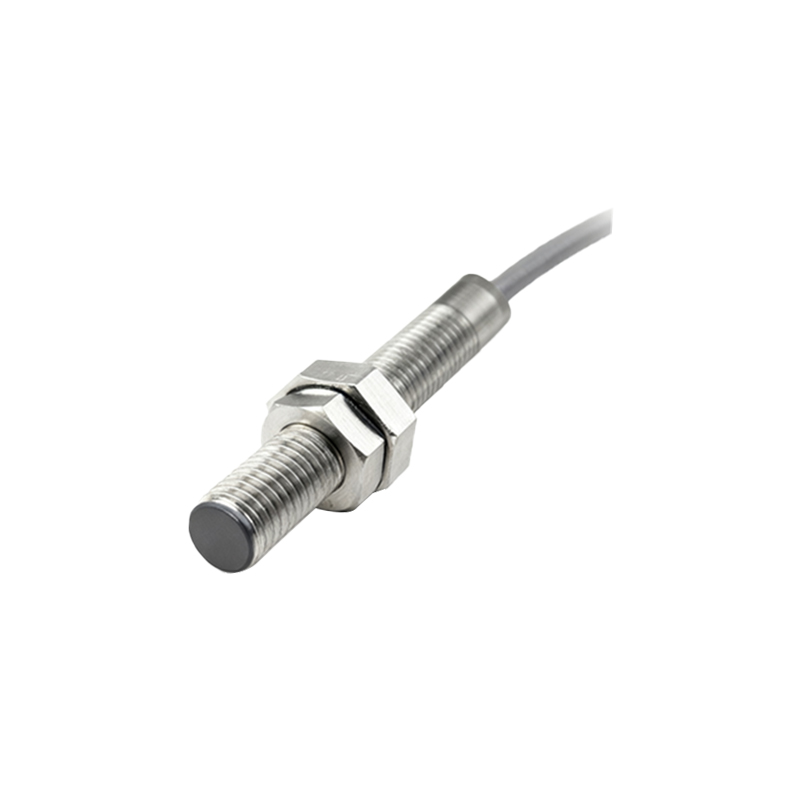
In the evolving landscape of the Internet of Things (IoT) and smart infrastructure, the role of passive proximity sensors is expanding. Their low-power nature is perfectly suited for the vast networks of distributed sensor nodes required for smart cities and agriculture. Researchers are also exploring new passive sensing modalities, such as sensors that detect subtle changes in magnetic fields or static electricity.
In conclusion, passive proximity sensors represent a vital and elegant branch of sensing technology. By harnessing natural environmental cues—be it infrared radiation, sound, or capacitive changes—they provide a reliable, low-power, and cost-effective means of detecting presence and motion. Understanding their working principle, strengths, and limitations is key to selecting the right sensor for applications ranging from simple automation to complex intelligent systems, ensuring functionality that is both effective and efficient.