In the world of industrial automation, proximity sensors are indispensable workhorses. They detect the presence or absence of objects without physical contact, enabling countless processes from assembly line counting to robotic positioning. While specifications like sensing range, output type, and housing material are often the primary focus, the physical dimensions of a proximity sensor—its size—is a critical, yet sometimes overlooked, factor that can make or break an application. Selecting the correct sensor size is not merely about fitting into an available space; it's a fundamental engineering decision that impacts performance, reliability, and system integration.
The size of a proximity sensor is intrinsically linked to its sensing capabilities. Generally, a larger sensor body allows for a larger coil and oscillator circuit, which can translate to a longer sensing range. For instance, a standard 30mm cylindrical sensor will typically offer a greater detection distance than an 8mm or 12mm "miniature" version. However, this relationship is not absolute. Advancements in electronics and ferrite core design have enabled compact sensors to achieve impressive ranges relative to their footprint. The key is to match the sensor's size to the required sensing distance. Overspecifying a large sensor for a short-range task wastes space and money, while forcing a tiny sensor to operate at its maximum range limit can lead to inconsistent performance and reduced life.
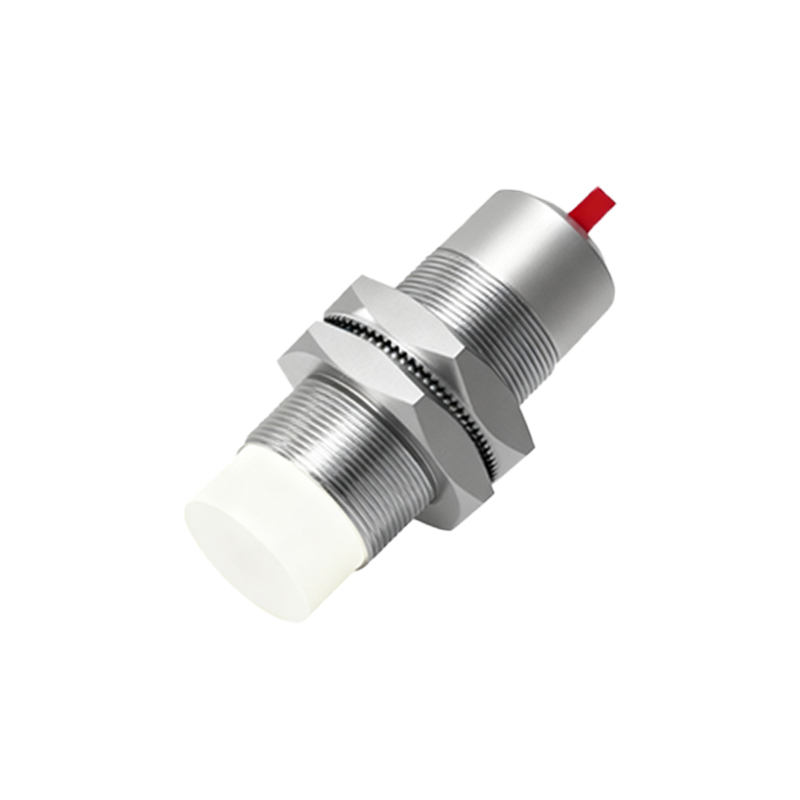
Beyond raw detection distance, the sensor's form factor—cylindrical (barrel-type), rectangular, or slot-style—dictates its installation and application suitability. Cylindrical sensors, defined by their diameter (e.g., M8, M12, M18, M30), are the most common. An M8 sensor (8mm diameter) is ideal for tight spaces in small machinery or for detecting tiny parts. An M30 sensor provides robust sensing for larger targets in harsh environments. Rectangular or block-style sensors offer a low-profile design, perfect for situations with limited radial space. Their flat face allows for flush mounting in metal, which is crucial for reducing side-interference from surrounding metallic objects. Choosing the wrong shape can lead to mounting headaches, false triggers from adjacent machinery, or an inability to position the sensor at the optimal distance from the target.
The installation environment imposes severe constraints on size. In modern, high-density control panels and compact machinery, real estate is at a premium. A miniature or sub-miniature sensor (e.g., M5, M8) might be the only viable option. Conversely, in heavy-industry settings like steel mills or mining, a physically larger sensor (M18 or M30) is often necessary not for its range, but for the robustness of its housing, the size of its electrical connections, and its ability to withstand extreme vibration and mechanical shock. The size of the conduit entry or connector also scales with the sensor body, affecting wiring logistics.
Target size and material are paramount. The fundamental rule is that the sensor's face should not be larger than the target object. Attempting to detect a 3mm screw head with a 30mm sensor face will result in unreliable operation. For small targets, a sensor with a small active face is mandatory. Furthermore, the sensor's size influences its "field" or "zone" of detection. A larger sensor may have a wider sensing field, which could be advantageous for detecting misaligned parts or disadvantageous if it picks up background objects. Understanding the target's approach direction—axial, lateral, or from the side—is essential when selecting both the size and sensing face orientation.
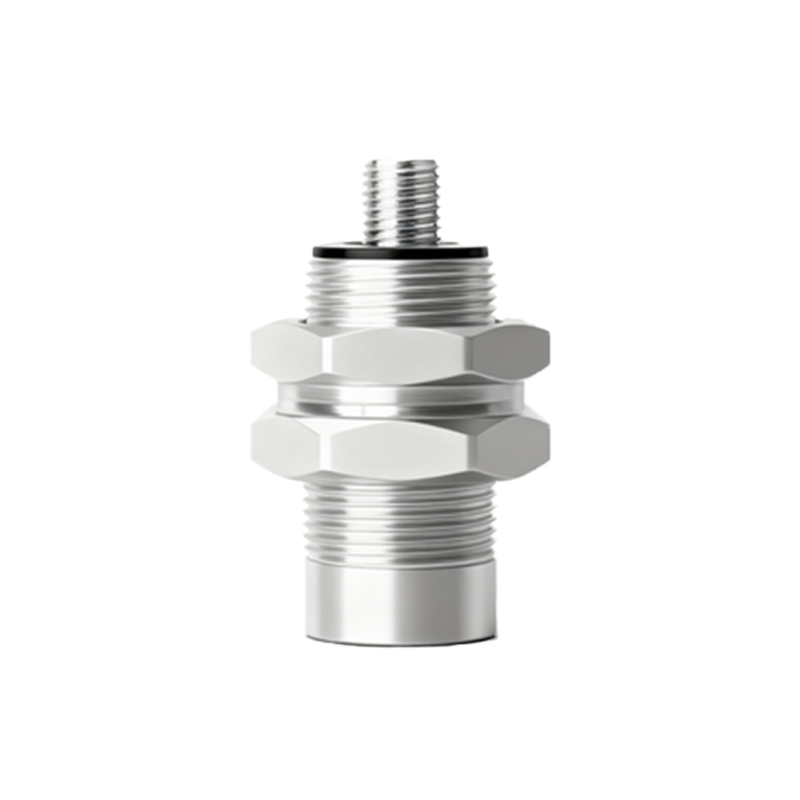
Finally, integration with the machine design must be considered. The chosen sensor must fit into the mechanical design without interfering with moving parts. Mounting hardware—brackets, nuts, and lockwashers—scales with sensor size. Designers must account for not just the sensor body, but also the necessary clearance behind it for wiring and tool access for tightening. A well-chosen sensor size appears almost invisible in the final design, functioning reliably without requiring special accommodations or modifications to the host machine.
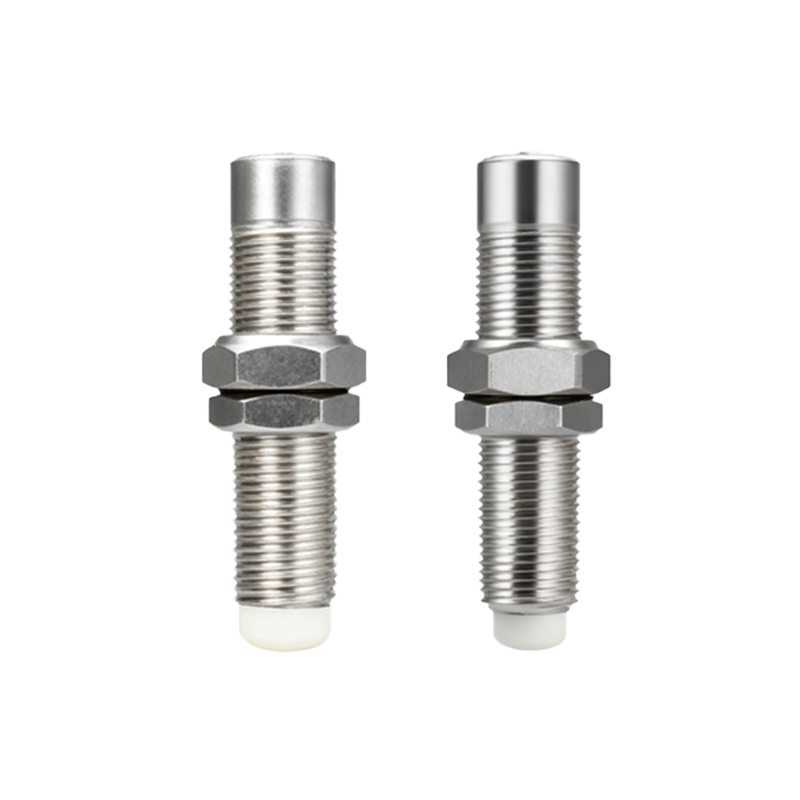
In conclusion, selecting a proximity sensor based solely on catalog specifications like NPN/PNP or shielded/unshielded is insufficient. A meticulous evaluation of the required sensing distance, available physical space, target characteristics, environmental conditions, and mechanical integration points is essential. The optimal sensor size represents the perfect balance between these often-competing demands. Consulting dimensional drawings early in the design phase and, when in doubt, creating a physical mock-up can prevent costly redesigns and ensure a reliable, high-performing automation system. The right size sensor is the one you install once and forget about, performing its duty flawlessly for years to come.