In the world of automation and smart technology, proximity sensors are the silent sentinels, enabling machines to perceive their surroundings without physical contact. These devices detect the presence or absence of an object within a specified range, triggering an output signal. Their non-contact nature makes them ideal for harsh environments, high-speed operations, and applications where wear and tear from mechanical contact is a concern.
The fundamental principle behind a proximity sensor involves emitting a field or beam and looking for changes in the field or the return signal. The specific technology employed defines the sensor's capabilities and limitations. The most common types include Inductive, Capacitive, Ultrasonic, and Photoelectric sensors.
Inductive proximity sensors are workhorses in industrial settings. They generate an electromagnetic field and detect only metallic objects, typically ferrous metals like iron and steel. When a metal target enters this field, it causes a change in the oscillation amplitude, which the sensor circuitry detects. These sensors are robust, resistant to dirt and moisture, and excel in counting metal parts, determining position in machinery, or as safety limit switches. However, their sensing range is relatively short and is unaffected by non-metallic materials.
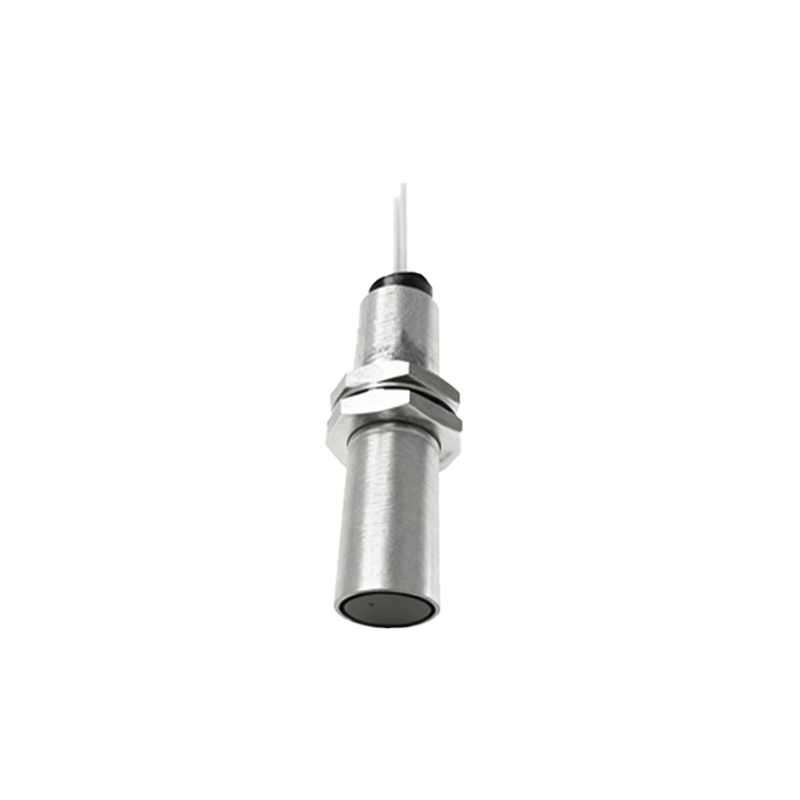
For detecting non-metallic objects, capacitive proximity sensors are the solution. They function by generating an electrostatic field. Any object, be it plastic, wood, liquid, or even a human hand, that enters this field alters its capacitance, triggering detection. This makes them versatile for level detection in tanks (liquids or granules), material handling, and touch-sensitive interfaces. Their sensitivity can often be adjusted, but they can be influenced by environmental factors like humidity.
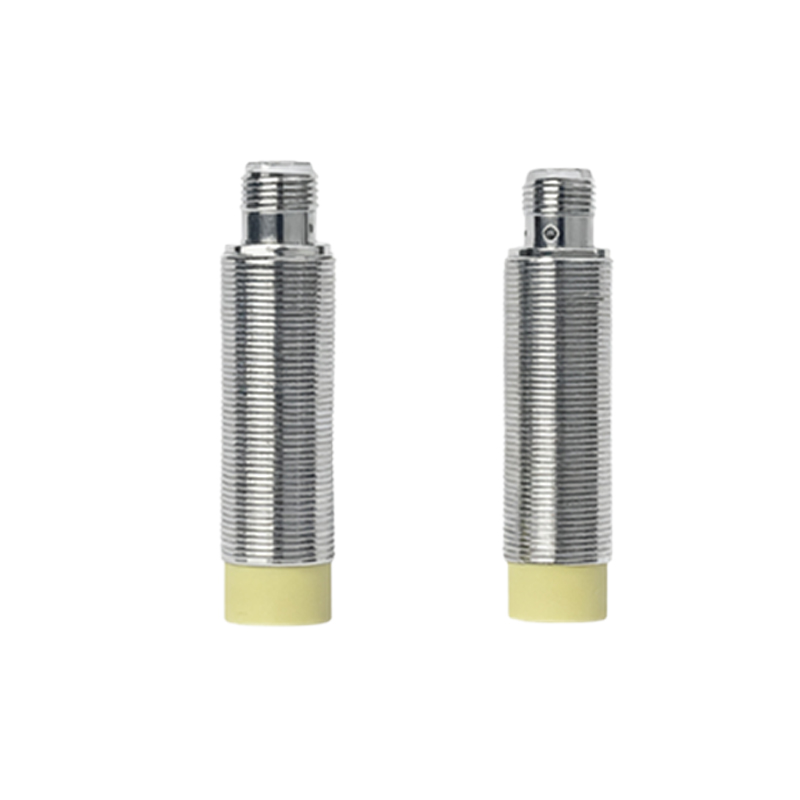
Photoelectric sensors use light, typically infrared or laser, to detect objects. They consist of an emitter and a receiver. There are three main configurations: through-beam (separate emitter and receiver), retro-reflective (uses a reflector), and diffuse (reflects light off the target itself). They offer the longest sensing ranges among proximity sensors and can detect virtually any material. Applications include object counting on conveyors, bottle detection in packaging, and security systems. Their performance can be affected by ambient light, color, and surface texture of the target.
Ultrasonic sensors operate on a principle similar to sonar. They emit high-frequency sound waves and calculate the time for the echo to return. This allows them to measure distance as well as detect presence. They are excellent for detecting clear objects (like glass), liquids, and uneven surfaces, and are widely used in level monitoring, collision avoidance in vehicles, and parking assistance systems. Temperature and air turbulence can affect their accuracy.
Selecting the right proximity sensor requires careful consideration of several factors. First, identify the target material: metal, plastic, liquid, etc. This immediately narrows down the choice to inductive or capacitive for most applications, with photoelectric and ultrasonic offering broader material compatibility. Next, consider the required sensing distance. Inductive sensors have short ranges (a few millimeters to tens of millimeters), while photoelectric and ultrasonic sensors can work over several meters.
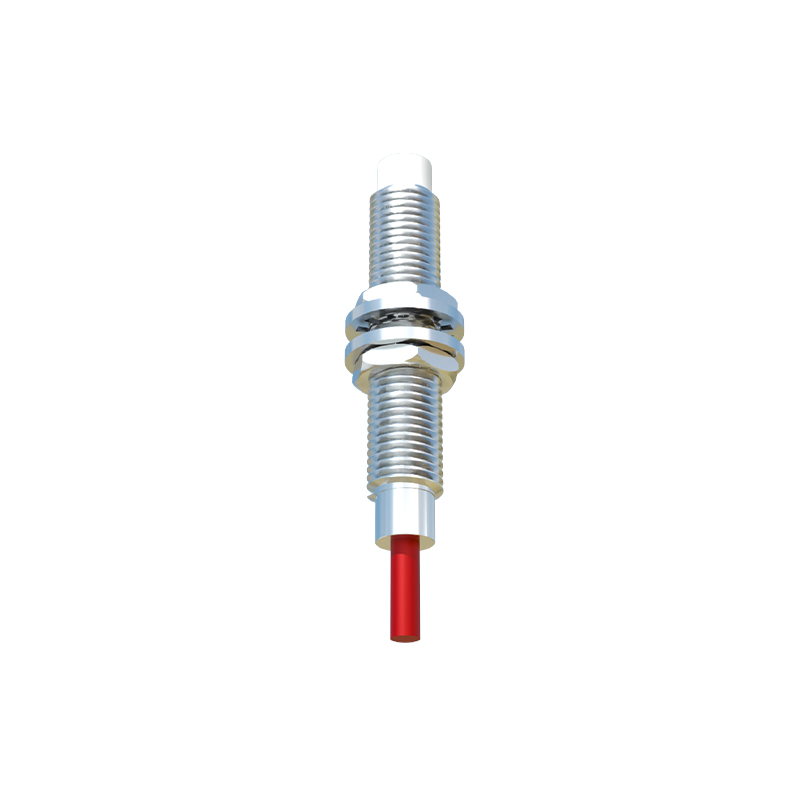
The operating environment is critical. Will the sensor be exposed to dust, oil, coolant, or washdowns? Inductive and certain sealed photoelectric sensors are best for harsh industrial environments. Electrical output is another key specification; common outputs include NPN/PNP transistor configurations or analog outputs for distance measurement. Finally, physical size, mounting style, and connection type must match the installation constraints.
In modern manufacturing, proximity sensors are foundational to Industry 4.0 and the Internet of Things (IoT). They provide the essential data on machine status, production counts, and material flow, feeding into PLCs (Programmable Logic Controllers) and SCADA systems for real-time monitoring and control. From the smartphone in your pocket that turns off the screen when held to your ear, to the automated assembly line building cars, proximity sensors enable efficiency, safety, and intelligence in an increasingly automated world. Their continued evolution promises even greater integration, miniaturization, and smart features, solidifying their role as indispensable components in electronic design and industrial automation.