In the world of industrial automation, robotics, and consumer electronics, the need for reliable, non-contact sensing is paramount. Among the various technologies available, the Hall effect switch proximity sensor stands out for its durability, precision, and versatility. Unlike mechanical switches that wear out or optical sensors that can be fooled by environmental contaminants, Hall effect sensors offer a solid-state solution for detecting the presence, absence, or position of a magnetic field, typically from a permanent magnet.
The core principle behind this technology is the Hall effect, discovered by Edwin Hall in 1879. When a current-carrying conductor is placed in a perpendicular magnetic field, a voltage difference, known as the Hall voltage, is generated across the conductor. A Hall effect switch integrates this sensing element with supporting electronics. When the magnetic flux density at the chip exceeds a predefined threshold, the digital output of the switch toggles state—from high to low or vice versa. This "on/off" digital behavior is what defines it as a switch, making it ideal for straightforward proximity detection tasks. It provides a clean, bounce-free signal compared to mechanical limit switches.
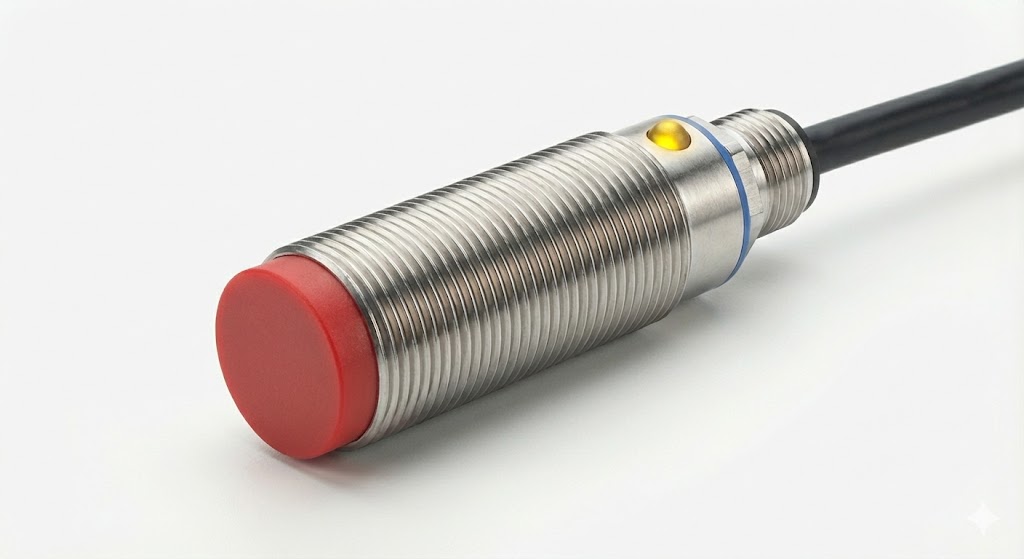
The construction of a typical Hall effect switch proximity sensor is robust. The sensitive Hall element is encapsulated within a protective housing, often made of plastic or metal, shielding it from dust, moisture, and physical damage. These sensors are inherently immune to environmental factors like oil, dirt, and vibrations that plague other sensing methods. They do not require physical contact with the target, eliminating mechanical wear and tear and enabling high-speed operation and virtually infinite lifespan.
The applications for Hall effect switch proximity sensors are vast and cross multiple industries. A common everyday example is in laptop computers and flip-style mobile phones, where a sensor detects whether the lid is closed, triggering sleep mode. In the automotive sector, they are ubiquitous, used for sensing seatbelt buckle status, gearbox position, brake pedal position, and wheel speed for anti-lock braking systems (ABS). In industrial settings, they serve as end-of-travel limit switches on linear actuators, rotary encoders for motor speed control, and part presence detectors on assembly lines. They are also found in brushless DC motors to commutate the windings efficiently.
When selecting a Hall effect switch proximity sensor for a project, several key parameters must be considered. First is the type of output. Unipolar switches activate in the presence of a single magnetic south or north pole. Bipolar switches require alternating poles to toggle—activated by one pole and deactivated by the opposite. Omnipolar or latch-type versions respond to either pole. Second is the operating point, the magnetic field strength at which the switch activates, and the release point, at which it deactivates. The difference between these is the hysteresis, which prevents output chattering when the magnet is near the threshold. Third is the sensing distance, which depends on the magnet's strength and size. Engineers must ensure the magnet provides sufficient field strength at the desired detection range. Fourth is the electrical interface. Most switches have open-collector or open-drain outputs requiring a pull-up resistor, while some offer push-pull outputs. Supply voltage range (e.g., 3.5V to 24V) and output current capability are also critical. Finally, the package style (e.g., surface-mount, through-hole, or housed units) and environmental ratings like IP (Ingress Protection) codes for dust and water resistance must match the application.
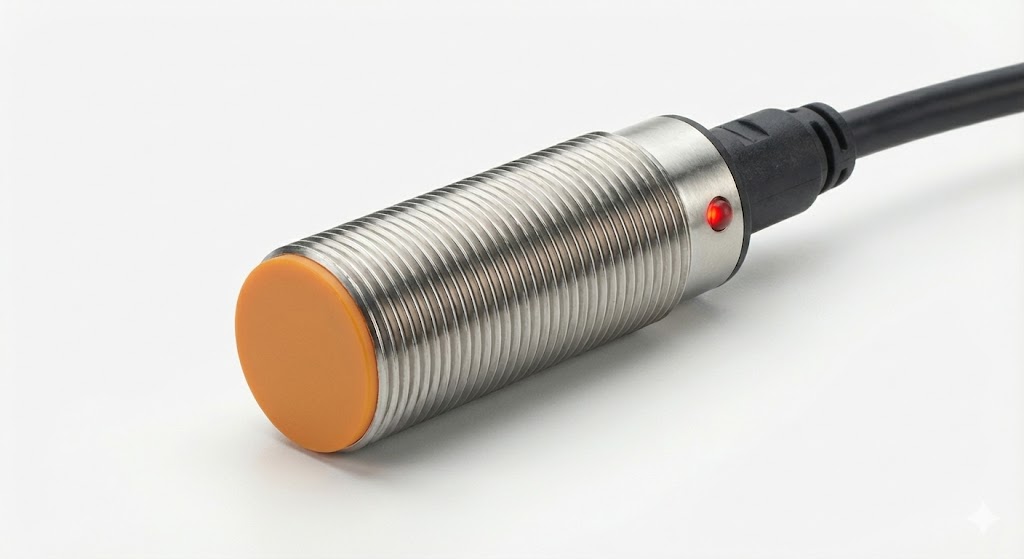
Installation and orientation are crucial for reliable operation. The sensor must be positioned so that the magnetic field lines pass perpendicularly through its active face for maximum sensitivity. The use of a proper magnet, such as a neodymium rare-earth magnet, is often recommended for longer sensing distances. Shielding from stray magnetic fields from motors or other equipment may also be necessary to prevent false triggering.
In comparison to other proximity sensors like inductive (for metals only) or capacitive (for various materials), the Hall effect switch's defining requirement is a magnetic target. This can be a limitation but also a benefit, as it allows for selective sensing. Compared to analog Hall sensors, which provide a continuous voltage proportional to field strength, the switch variant offers a simpler, digital interface for microcontroller-based systems.
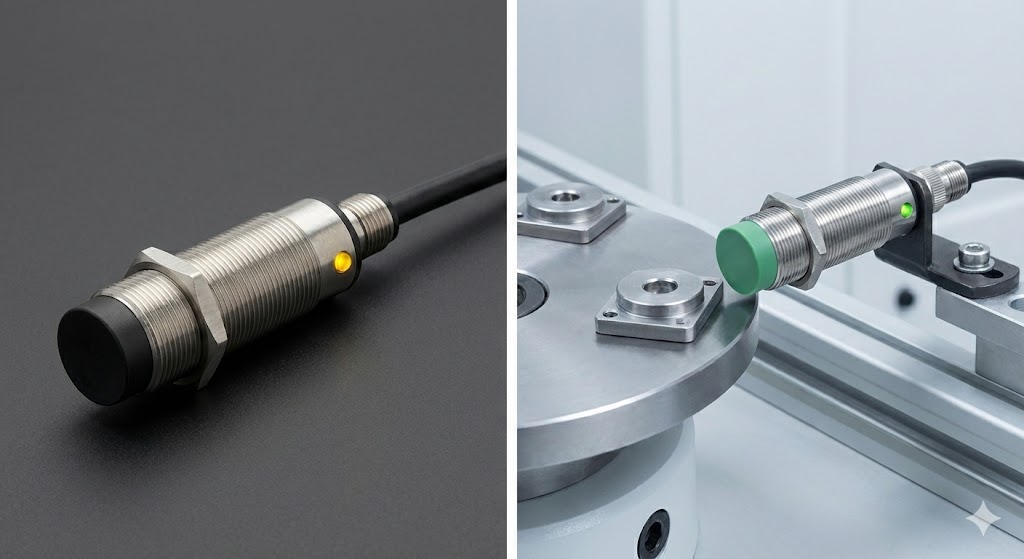
In conclusion, the Hall effect switch proximity sensor is a fundamental component in modern electronic design. Its combination of solid-state reliability, environmental resilience, and simple digital output makes it an excellent choice for countless position and proximity sensing applications. By carefully considering the output type, magnetic requirements, electrical specs, and physical package, designers can leverage this elegant technology to create more robust, maintenance-free, and intelligent systems across countless domains.