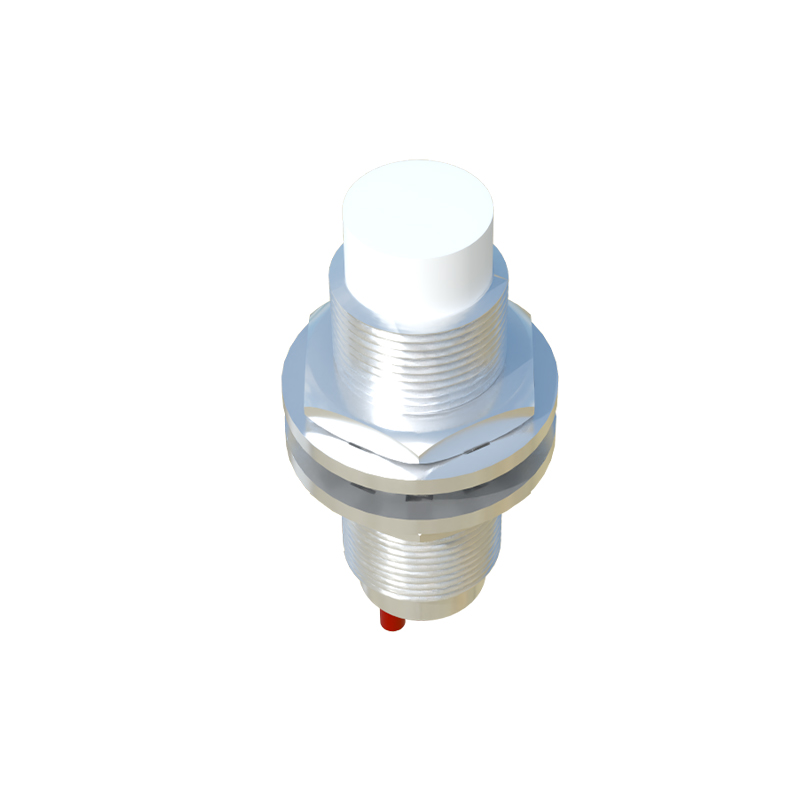
In the realm of industrial automation, proximity sensor service companies play a pivotal role in ensuring operational efficiency, safety, and reliability. These specialized firms provide comprehensive solutions for the maintenance, calibration, repair, and integration of proximity sensors—devices that detect the presence or absence of objects without physical contact. As industries increasingly adopt smart manufacturing and Industry 4.0 practices, the demand for precise and dependable sensor technology has surged, making the services of these companies more critical than ever.
Proximity sensors are integral to various applications, from automotive assembly lines and packaging machinery to robotics and material handling systems. They contribute to process control, quality assurance, and equipment protection by detecting metallic or non-metallic targets in harsh environments. However, like any electronic component, sensors are subject to wear, environmental factors, and calibration drift over time. This is where proximity sensor service companies step in, offering expertise to maximize sensor lifespan and performance.
A leading service provider typically offers a range of services tailored to industrial needs. These include diagnostic assessments to identify sensor malfunctions, on-site or off-site repair services, and preventive maintenance programs. Calibration is a key aspect, ensuring sensors meet original equipment manufacturer (OEM) specifications for accuracy. Many companies also provide retrofitting and upgrading services, helping clients replace outdated sensors with advanced models featuring enhanced features like longer sensing ranges, higher switching frequencies, or improved resistance to dust, moisture, and temperature extremes.
Moreover, proximity sensor service companies often supply technical support and training for in-house teams. They guide clients in selecting the right sensor type—such as inductive, capacitive, ultrasonic, or magnetic—based on application requirements. With deep industry knowledge, these firms can troubleshoot complex issues, reduce downtime, and optimize sensor networks for seamless integration with programmable logic controllers (PLCs) and other automation systems.
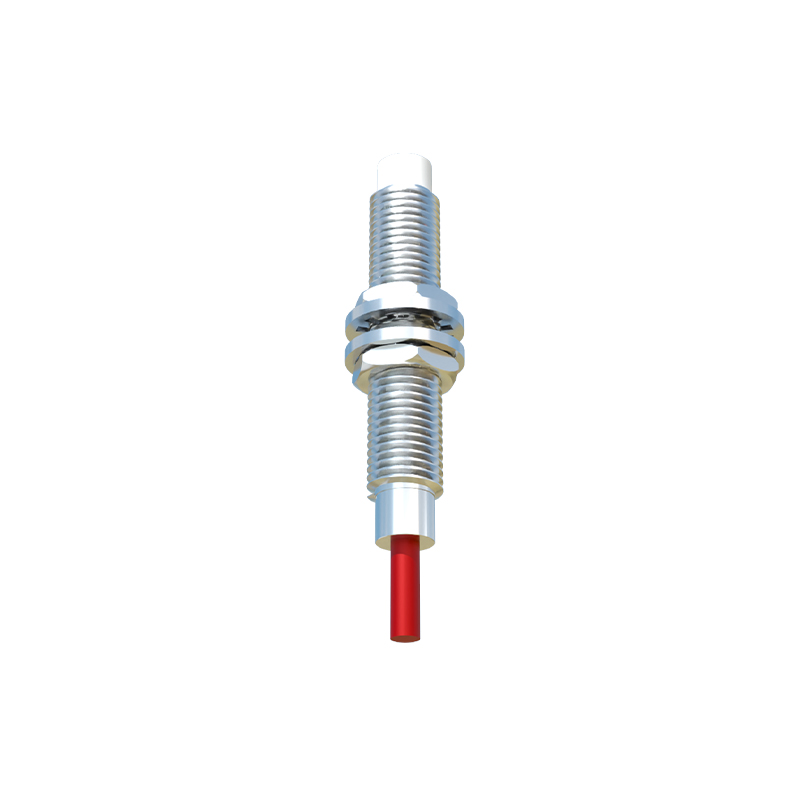
The benefits of partnering with a reputable service company are manifold. First, it ensures compliance with safety standards, as faulty sensors can lead to equipment damage or workplace hazards. Second, it enhances productivity by minimizing unplanned outages and maintaining consistent sensor performance. Third, it offers cost savings compared to frequent sensor replacements, extending asset life through expert care. In today’s competitive landscape, such partnerships enable businesses to leverage cutting-edge sensor technology without incurring high capital expenditures.
As technology evolves, service companies are also embracing digital tools like remote monitoring and predictive analytics. By analyzing sensor data trends, they can anticipate failures before they occur, shifting from reactive to proactive maintenance. This aligns with the growing trend of predictive maintenance in industrial settings, where data-driven insights drive efficiency gains.
In conclusion, proximity sensor service companies are indispensable allies in modern industrial operations. Their expertise not only safeguards automation investments but also fosters innovation by enabling the adoption of next-generation sensor solutions. For industries aiming to achieve peak performance and safety, collaborating with these specialized providers is a strategic imperative. By ensuring that proximity sensors function optimally, they help build resilient, smart factories ready to meet future challenges.