In industrial automation and precision measurement applications, laser focus sensors are indispensable tools. However, a common operational observation is that these sensors often become noticeably warm or even hot to the touch during prolonged use. This phenomenon, while sometimes concerning to operators, is typically a normal characteristic of their design and function. Understanding the reasons behind this heat generation and implementing proper management strategies are crucial for ensuring sensor longevity, measurement stability, and overall system safety.
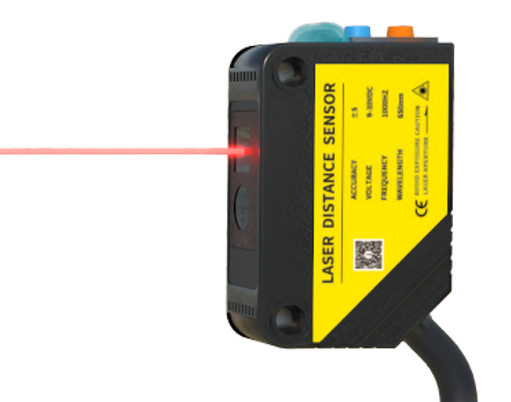
The primary source of heat in a laser focus sensor is its internal laser diode. To emit a coherent, focused beam of light for precise distance or position measurement, the diode requires electrical power. A significant portion of this input electrical energy is converted into light (photons), but a substantial fraction is inevitably transformed into waste heat due to inherent inefficiencies in the semiconductor materials and the electroluminescence process. This is known as the diode's wall-plug efficiency, which for many laser diodes used in sensors is well below 100%. The generated heat must be dissipated to prevent the diode's junction temperature from rising to critical levels that could cause wavelength drift, reduced output power, or catastrophic failure.
Secondly, the sensor's supporting electronics contribute to thermal load. The driver circuitry that provides stable current to the laser diode, signal processing units for analyzing the returned light, and communication modules (e.g., for analog or digital outputs) all contain active components like transistors, amplifiers, and microprocessors. These components dissipate heat as they operate. In compact sensor housings, this heat combines with that from the laser diode, leading to an overall increase in the sensor's external casing temperature.
Environmental and operational factors exacerbate heating. Operating in ambient temperatures near or above the sensor's specified rating reduces the temperature gradient for natural cooling. High-duty-cycle applications, where the laser is emitting continuously or very frequently, generate a constant thermal load. Furthermore, installing the sensor in a confined space or an enclosure with poor airflow inhibits convection cooling, causing heat to accumulate around the device.

While some warmth is normal, excessive heat is a warning sign. It can indicate potential issues such as an overdriven laser diode, failing electronic components, blocked ventilation paths, or a malfunctioning internal cooling system if present. Prolonged exposure to high temperatures accelerates the aging of internal materials, including optical elements (lenses) and electronic solder joints, potentially leading to premature sensor failure or measurement inaccuracies.
Effective thermal management is therefore a key aspect of sensor integration. Here are several practical strategies:
1. Adhere to Specifications: Always operate the sensor within the manufacturer's specified ambient temperature and electrical input ranges. Do not exceed the maximum case temperature rating.
2. Ensure Adequate Airflow: Design the machine or enclosure layout to allow for natural convection around the sensor. For high-density installations or hot environments, consider forced air cooling using a small fan directed across the sensor body (avoiding the optical aperture).
3. Utilize Heat Sinks: For sensors designed with mounting threads or flat surfaces, attaching an appropriately sized aluminum heat sink can dramatically improve heat dissipation to the surrounding air. Ensure good thermal contact.
4. Mind the Duty Cycle: If the application allows, program intermittent operation or a reduced power mode to lower the average thermal load. Consult the sensor manual for pulsed operation guidelines.
5. Regular Maintenance: Keep the sensor housing clean from dust, oil, or debris that can act as thermal insulation. Periodically check for signs of physical damage or corrosion.
6. Monitor Temperature: In critical applications, use an external temperature sensor or monitor the sensor's internal temperature via diagnostic outputs if available. This enables predictive maintenance.
In summary, the sensation of a laser focus sensor being warm is largely an expected result of its power conversion processes. The key for engineers and technicians is to distinguish between normal operational warmth and dangerous overheating. By understanding the thermal principles at play and proactively implementing cooling and operational best practices, the reliability and service life of these precision instruments can be maximized, ensuring consistent performance in demanding industrial settings. Always prioritize the manufacturer's installation and operational guidelines for specific thermal management recommendations tailored to the sensor model.