Proximity sensors are critical components in modern card insertion machines, ensuring precise detection and reliable operation in various applications such as ATMs, payment terminals, and access control systems. These sensors function by detecting the presence or absence of a card without physical contact, using technologies like inductive, capacitive, or optical methods. In card insertion machines, proximity sensors typically monitor the card's position during insertion, retraction, and ejection processes, enabling the machine to initiate transactions, prevent jams, and enhance user safety.
The working principle of proximity sensors in this context involves emitting an electromagnetic field or beam and measuring changes caused by a card's proximity. For instance, inductive sensors are ideal for detecting metallic elements in cards, while capacitive sensors can identify non-metallic materials like plastic cards. Optical sensors, using infrared or laser beams, offer high accuracy for detecting card edges or slots. Key features include fast response times, typically in milliseconds, and durability in harsh environments, resisting dust, moisture, and temperature fluctuations.
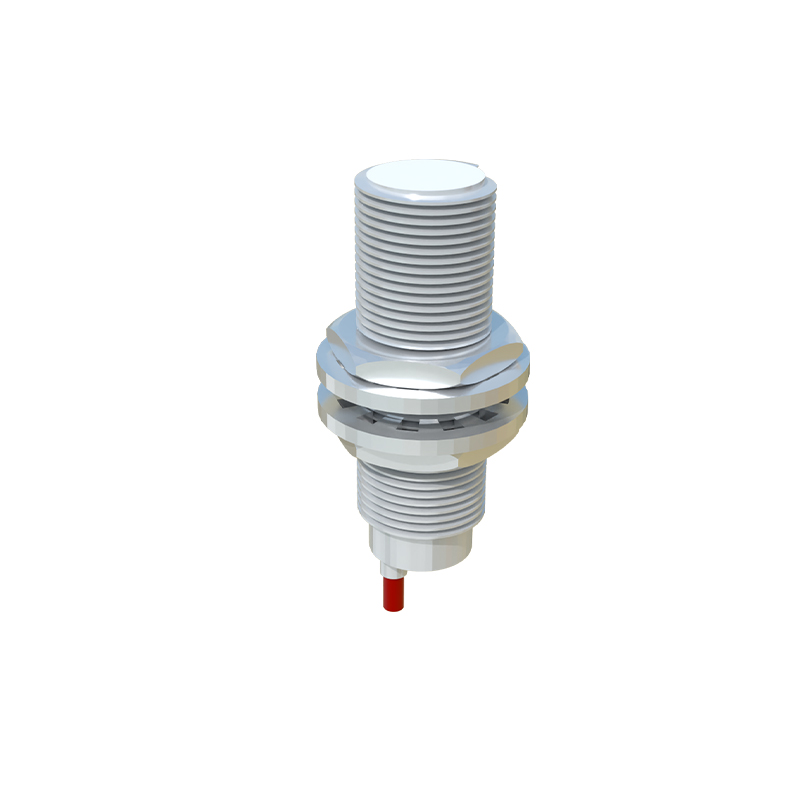
In card insertion machines, proximity sensors are strategically placed near the card reader slot, transport mechanisms, and storage compartments. They trigger actions such as activating the card reader, signaling the machine to process data, or alerting to improper insertion. For example, if a card is inserted too slowly or incorrectly, the sensor can halt the operation to prevent damage. Advanced systems integrate multiple sensors for redundancy, ensuring fail-safe performance in high-traffic settings like banking or public transportation.
The benefits of using proximity sensors in these machines are manifold. They reduce mechanical wear by eliminating contact, leading to lower maintenance costs and longer machine lifespan. Additionally, they improve security by detecting tampering or unauthorized card removal. In terms of efficiency, sensors enable faster transaction times and reduce errors, enhancing user experience. Common challenges include interference from external electromagnetic sources or misalignment, which can be mitigated through proper shielding and calibration during installation.
When selecting proximity sensors for card insertion machines, engineers consider factors like sensing range, which typically ranges from a few millimeters to several centimeters, and output types such as digital (PNP/NPN) or analog signals. Compatibility with the machine's control system, often based on microcontrollers or PLCs, is crucial for seamless integration. Industry standards, such as IEC 60947-5-2, guide the design and testing to ensure reliability and safety.
In summary, proximity sensors play a vital role in the functionality of card insertion machines, offering non-contact detection that boosts performance and reliability. As technology evolves, trends like miniaturization and smart sensors with IoT connectivity are emerging, promising even greater efficiency in future applications. Regular maintenance, including cleaning and calibration, helps sustain optimal sensor performance, ensuring smooth operations in critical systems worldwide.