Laser sensors have become indispensable components in modern industrial automation, robotics, and precision measurement systems. Among the prominent players in this field, MINGTU laser sensors have garnered significant attention for their reliability and performance. This article provides a comprehensive technical overview of MINGTU laser sensors, delving into their operating principles, key features, diverse applications, and essential factors for selection and integration.
At its core, a MINGTU laser sensor operates on the principle of optical triangulation or time-of-flight (ToF), depending on the model and intended use. In a standard triangulation sensor, a laser diode projects a visible or invisible spot onto the target surface. The reflected light is captured by a receiving lens at a specific angle and focused onto a position-sensitive detector, such as a CCD or CMOS array. The position of the light spot on the detector shifts proportionally to the distance of the target. This displacement is processed by sophisticated internal electronics to calculate and output a precise distance or position value. For longer-range applications, MINGTU employs pulsed time-of-flight technology, where the sensor measures the time delay between emitting a laser pulse and receiving its reflection to determine distance.
MINGTU laser sensors are engineered with several distinguishing features that set them apart in competitive markets. A primary characteristic is their high resolution and repeatability, capable of detecting minute changes in position or distance, often in the micrometer range. This makes them ideal for tasks requiring extreme precision. Furthermore, many models boast a high sampling rate, enabling real-time monitoring and control in high-speed production lines. The sensors are typically housed in robust, industrial-grade enclosures with high IP ratings (e.g., IP67), ensuring reliable operation in harsh environments with dust, moisture, and mechanical vibrations. Versatility is another hallmark; MINGTU offers a wide portfolio including diffuse-reflective sensors for general presence detection, background suppression models that ignore distant objects, and precise analog-output sensors for continuous distance measurement.
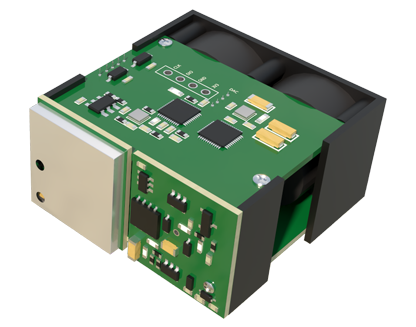
The application spectrum for MINGTU laser sensors is remarkably broad. In automotive manufacturing, they are deployed for robot guidance, weld seam tracking, and gap-and-flush measurement on vehicle bodies. Within the electronics industry, these sensors ensure precise component placement on PCBs, measure solder paste height, and inspect miniature parts. Logistics and packaging systems utilize them for object counting, height profiling, and fill-level control. They are also critical in woodworking for thickness gauging, in metallurgy for roll gap measurement, and in automated warehousing for pallet detection and dimensioning. The non-contact nature of laser measurement prevents part damage and allows inspection of sensitive or hot surfaces.
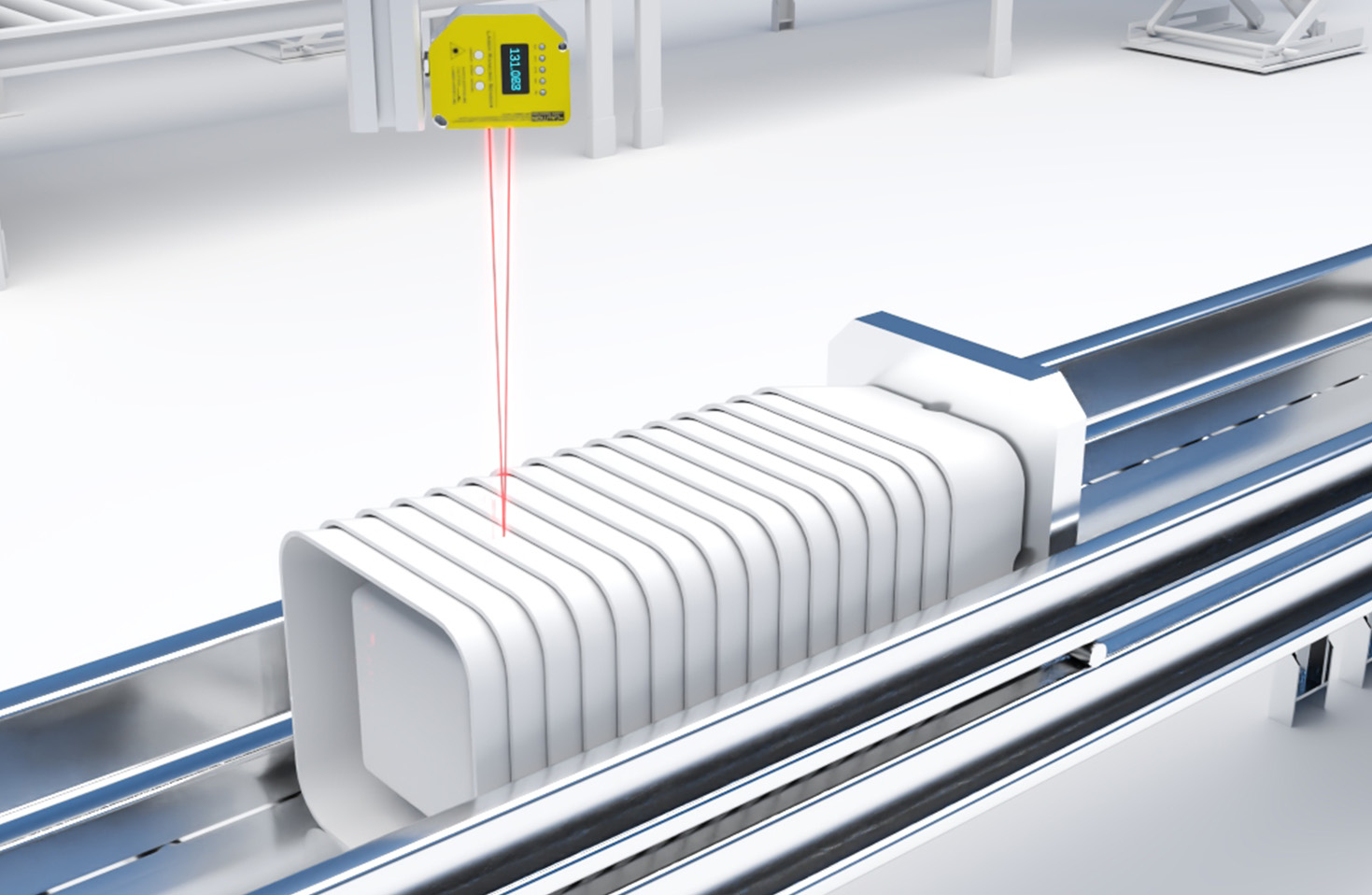
Selecting the appropriate MINGTU laser sensor for a specific application requires careful consideration of several technical parameters. The first is the measuring range, which defines the minimum and maximum distances over which the sensor can operate accurately. Related to this is the spot size, which affects resolution and the ability to measure small features. The required output type must be chosen: digital switches (PNP/NPN) for simple detection tasks, or analog outputs (0-10V, 4-20mA) for proportional distance information. Communication interfaces like IO-Link are increasingly important for advanced diagnostics and parameterization. Environmental factors such as ambient light immunity, temperature stability, and the material/color of the target object (which affects reflectivity) are crucial for stable performance. Finally, mechanical aspects like housing size, mounting options, and connector type must align with the installation constraints.
Integration and maintenance are straightforward with MINGTU sensors. Most models feature intuitive setup methods, often via teach-in buttons or software tools, allowing quick configuration of switching points or measurement windows. Regular maintenance primarily involves keeping the optical window clean from obstructions. For optimal performance, it is recommended to calibrate the sensor against a known reference periodically, especially in mission-critical applications.
In conclusion, MINGTU laser sensors represent a sophisticated fusion of optical engineering and electronics, providing robust, precise, and versatile solutions for countless industrial challenges. Their ability to deliver accurate, non-contact measurements under demanding conditions makes them a cornerstone of modern automation. By understanding their operating principles, key specifications, and application fit, engineers and system integrators can effectively leverage these powerful tools to enhance productivity, quality, and operational efficiency across diverse sectors.